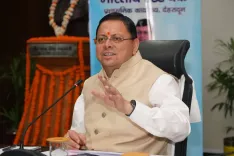
Yadav Reviews Project GIB Progress at 91st SC-NBWL Meet
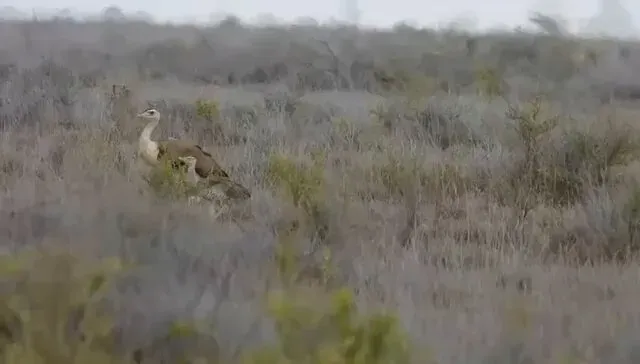
Synopsis
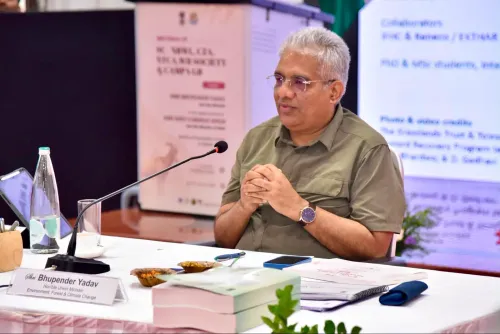
Union Environment Minister Bhupender Yadav chaired the 91st SC-NBWL meeting in Coimbatore on 9 July 2026, announcing that Project GIB's captive breeding tally has reached 98 chicks in Rajasthan and a second 'jump start' attempt in Gujarat has produced a surviving chick, with rewilding preparations now under way.
Key Takeaways
The 91st SC-NBWL meeting was held on 9 July 2026 at CASFoS, Coimbatore , chaired by Union Environment Minister Bhupender Yadav .
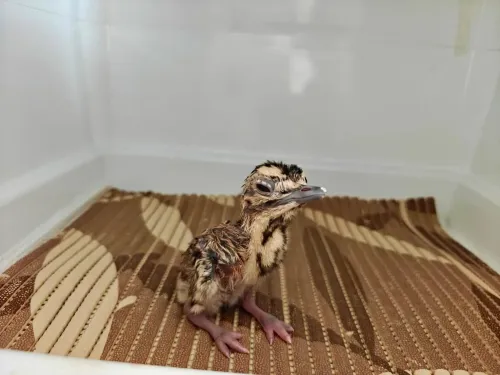
A second 'jump start' breeding attempt at Naliya, Gujarat succeeded; the chick born on 21 May 2026 has crossed the critical 40-day survival mark .
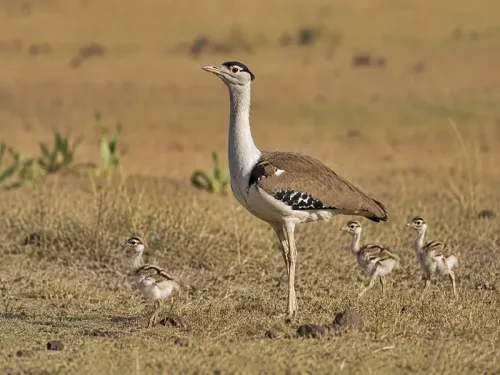
Total captive-bred Great Indian Bustard chicks at Sam and Ramdevra in Rajasthan have reached 98 .
The project is preparing to enter the rewilding phase , which will involve releasing captive-bred birds into natural habitats.
The Wildlife Institute of India (WII) and state forest departments of Rajasthan and Gujarat are jointly implementing the project.
The GIB is listed under Schedule I of the Wildlife (Protection) Act, 1972 , granting it the highest legal protection in India.
Union Environment Minister Bhupender Yadav on Thursday, 9 July 2026 chaired the 91st meeting of the Standing Committee of the National Board for Wildlife (SC-NBWL) at CASFoS, Coimbatore, where he reviewed the progress of Project Great Indian Bustard (GIB). Yadav announced that a second 'jump start' breeding attempt executed at Naliya, Gujarat has succeeded, with a chick born on 21 May 2026 having cleared the critical 40-day survival threshold. The total number of chicks born in captivity at facilities in Rajasthan — at Sam and Ramdevra — has now reached 98.
Context
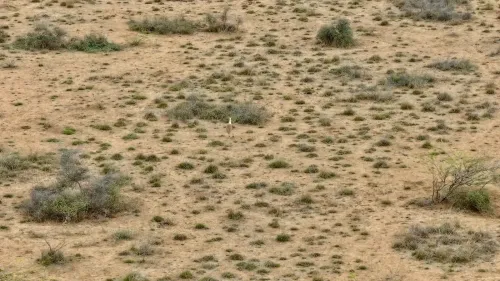
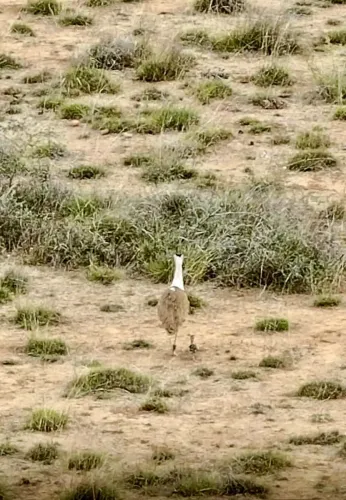
The Great Indian Bustard (GIB), one of the world's heaviest flying birds, is critically endangered with its wild population estimated to be among the lowest of any large bird species in India. The species is listed under Schedule I of the Wildlife (Protection) Act, 1972, affording it the highest level of legal protection in the country. Decades of habitat loss, collision with power lines, and agricultural encroachment have pushed the bird to the brink, making captive breeding a conservation priority.
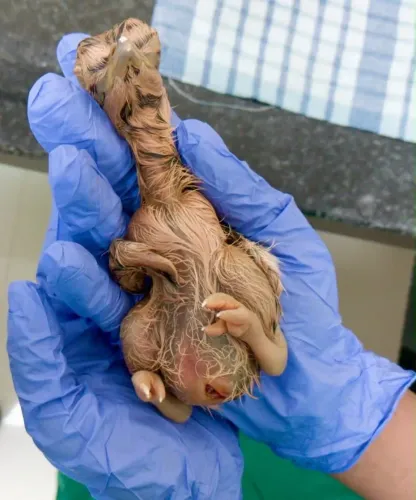
The 'jump start' technique refers to a method of artificially incubating eggs removed from wild nests to boost hatch rates — a critical intervention when natural breeding rates are insufficient to sustain a population. The success of the second such attempt at Naliya marks a significant milestone for the Gujarat component of the project, which has historically lagged behind Rajasthan in captive breeding outcomes.
Policy Backdrop
Project GIB is implemented under the species recovery component of the Centrally Sponsored Scheme 'Integrated Development of Wildlife Habitats', with the Wildlife Institute of India (WII) — an autonomous body under the Ministry of Environment, Forest and Climate Change (MoEFCC) — leading scientific protocols and field operations. Captive breeding centres were established in Rajasthan in the late 2010s after wild population surveys indicated a steep decline. The SC-NBWL, the statutory apex body that reviews species recovery initiatives and wildlife clearances, provides the institutional oversight framework for the project.
India's approach to GIB conservation mirrors earlier ex-situ breeding models deployed for vultures and crocodiles — combining central funding, state forest department implementation, and scientific institute expertise. The multi-state collaboration between Rajasthan and Gujarat reflects the federal structure of wildlife governance for a species whose range crosses administrative boundaries.
Stakeholders and Impact
The WII and the state forest departments of Rajasthan and Gujarat are the primary field implementers. Yadav credited their efforts directly, stating the teams are 'leaving no stone unturned to make the project successful.' Desert communities living in and around GIB habitats in the Thar region stand to benefit from improved ecosystem health that accompanies species recovery, though they also face the challenge of coexisting with conservation-driven land-use restrictions.
The milestone of 98 captive-bred chicks at Sam and Ramdevra represents a meaningful accumulation of breeding stock ahead of the planned rewilding phase. Conservationists have long argued that a viable captive population is a prerequisite before any release programme can be attempted responsibly.
What's Next
Minister Yadav indicated that the project is 'soon entering the rewilding phase,' with preparatory efforts already under way. This phase will involve the planned release of captive-bred birds into protected natural habitats, followed by intensive post-release monitoring to assess survival, movement, and adaptation. Subsequent SC-NBWL meetings are expected to consider additional habitat protection measures, including mitigation guidelines for overhead power lines — a leading cause of GIB mortality in the wild — in the species' core range areas.
The success of the rewilding phase will be a defining test of India's broader ambition to reverse the decline of critically endangered species through science-led, state-partnered conservation programmes.
Point of View
The political optics favour the Ministry ahead of any rewilding announcement, which would be a first for this species. However, the harder challenge lies ahead: power-line mitigation in GIB range areas remains an unresolved tension between renewable energy expansion and species survival. How the NBWL balances infrastructure clearances against habitat protection in coming meetings will be the real indicator of policy intent.
NationPress
9 Jul 2026
Frequently Asked Questions
What is Project Great Indian Bustard?
Project Great Indian Bustard is a central and state government initiative to conserve the critically endangered Great Indian Bustard through captive breeding and eventual rewilding. It is implemented by the Wildlife Institute of India alongside the forest departments of Rajasthan and Gujarat, with oversight from the National Board for Wildlife.
How many Great Indian Bustard chicks have been born in captivity in India?
As of the 91st SC-NBWL meeting on 9 July 2026, a total of 98 chicks have been born in captivity at the facilities in Sam and Ramdevra in Rajasthan. An additional chick from a 'jump start' attempt in Naliya, Gujarat, born on 21 May 2026, has also survived past the critical 40-day mark.
What is the 'jump start' technique used in GIB conservation?
The 'jump start' technique involves artificially incubating eggs removed from wild nests to significantly improve hatch rates. It is a key intervention in GIB conservation because natural breeding rates in the wild are too low to sustain the population, and the method allows scientists to maximise the number of chicks that survive to adulthood.
When will the Great Indian Bustard rewilding phase begin?
Union Environment Minister Bhupender Yadav stated on 9 July 2026 that the project will 'soon' enter the rewilding phase, with preparatory efforts already under way. No specific release date has been officially announced; post-release monitoring protocols are being developed alongside the release planning.
Why is the Great Indian Bustard endangered?
The Great Indian Bustard is critically endangered primarily due to habitat loss from agricultural expansion, collision with overhead power lines, and human disturbance in its desert grassland range. It is listed under Schedule I of the Wildlife (Protection) Act, 1972, giving it the highest legal protection in India, but wild population numbers remain extremely low.