Chang'e-7 delay unlikely to shift US-China moon race, experts say
Synopsis
China's Chang'e-7 mission — designed to detect water ice at the lunar south pole — was scrubbed hours before lift-off with no explanation beyond unmet 'launch requirements.' Experts say the delay offers NASA only fleeting political relief; the structural contest for moon dominance remains unchanged.
Key Takeaways
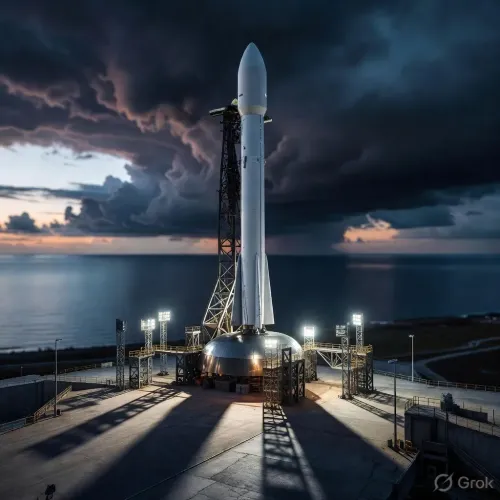
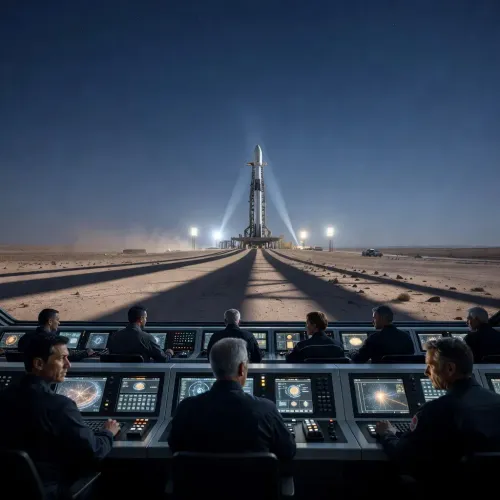
Chang'e-7 was postponed just hours before its scheduled Sunday night launch, with Chinese space authorities citing unmet 'launch requirements.' A major tropical storm was reportedly approaching the launch site at the time of the scrub.
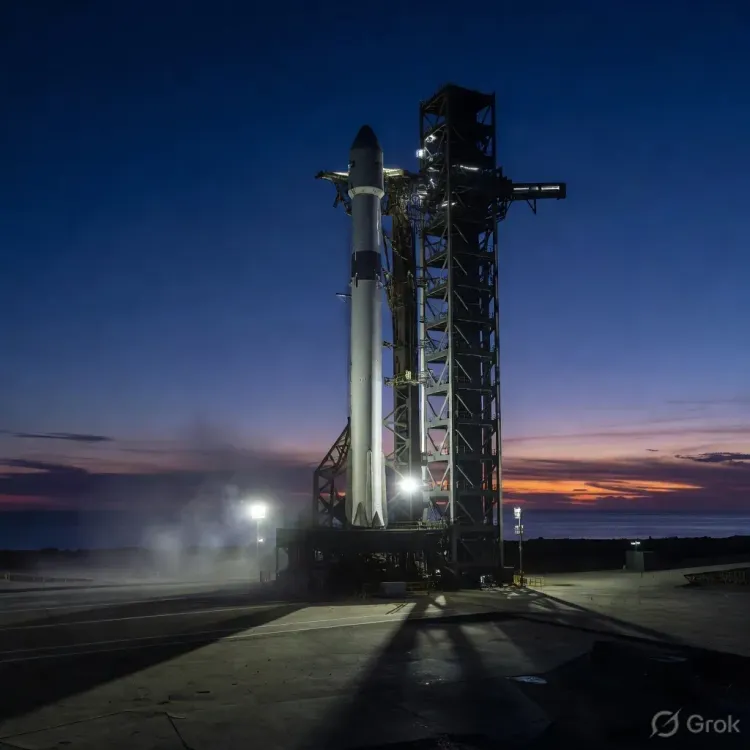
The rocket was rolled back to its assembly building by Monday evening ; no revised launch date has been announced.
John Sheldon , co-founder of London -based AstroAnalytica , said the delay may ease political pressure on NASA but noted similar setbacks have affected US lunar missions too.
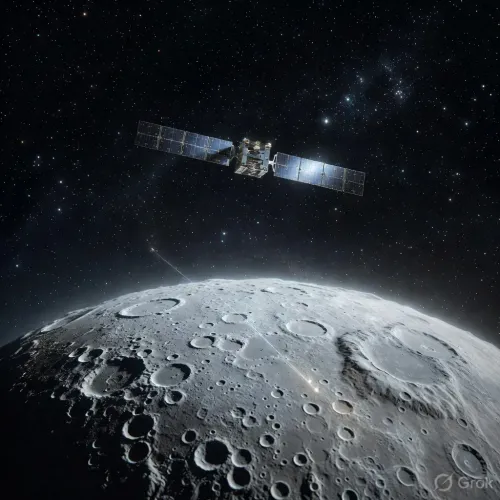
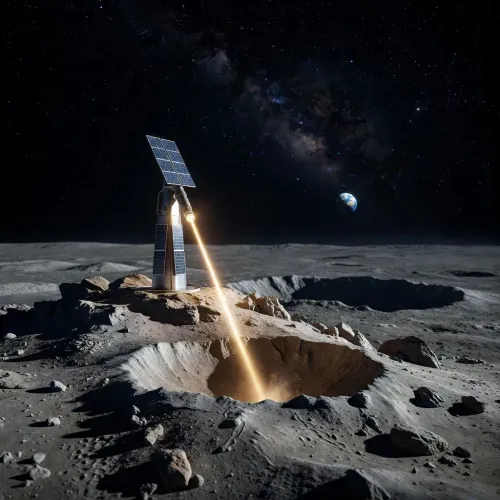
The mission targets the moon's south pole to search for water ice, a resource central to both China's International Lunar Research Station and NASA's Artemis programme.
Analysts say China's overall lunar ambitions remain intact; the postponement is expected to push the mission into next year .
China's Chang'e-7 lunar mission was postponed just hours before its scheduled Sunday night lift-off, with Chinese space authorities citing unmet 'launch requirements' — and while the delay may briefly ease political pressure on NASA, space analysts say it does little to alter the broader contest for a permanent human presence on the moon's south pole.
What happened
No official reason was provided for the last-minute postponement, though a major tropical storm was reportedly approaching the launch site at the time. By Monday evening, the rocket had been rolled back to its assembly building. Chang'e-7 is designed to hunt for water ice near the lunar south pole, a resource considered critical for any sustained crewed base on the moon.
Why it matters
The mission is a key milestone in China's broader International Lunar Research Station programme, which aims to establish a permanent robotic and eventually crewed outpost on the moon. A successful Chang'e-7 landing would have demonstrated China's ability to precisely target and operate in the moon's most resource-rich — and most technically demanding — terrain ahead of NASA's own 2028 deadline for returning astronauts to the lunar surface.
Expert reaction
John Sheldon, a space security strategist and co-founder of the London-based consultancy AstroAnalytica, said professionals in the US would 'certainly not be celebrating' the delay. 'The same variables that caused the Chang'e-7 postponement can just as easily happen — and have happened — to US lunar missions,' Sheldon said.
Politically, however, Sheldon acknowledged the delay could temporarily relieve some pressure on NASA. A later Chang'e-7 launch pushes back the prospect of another successful Chinese moon landing, avoiding — for now — the 'media and political angst' such an achievement could generate in Washington.
The competitive backdrop
The race to the lunar south pole has intensified as both Washington and Beijing view the region's water-ice deposits as strategically vital — enabling in-situ fuel production and long-duration habitation. NASA is developing its Artemis programme alongside commercial partners including Blue Origin, while China is advancing the International Lunar Research Station in partnership with several nations. A single high-profile setback by either side rarely reshapes the underlying trajectory of these multi-decade programmes.
What's next
Chinese authorities have not announced a revised launch window for Chang'e-7, though the mission is expected to be rescheduled for next year. The delay gives NASA and its partners a narrow window to close the gap — but analysts caution that China's cadence of lunar missions has been consistent, and a postponement should not be mistaken for a broader slowdown in its space ambitions.
Point of View
Not a strategic retreat — China's lunar programme has maintained a disciplined launch cadence that a single weather-adjacent delay is unlikely to disrupt. What mainstream coverage underplays is the political economy angle: every month that passes without a visible Chinese success reduces the urgency in Washington to fund NASA at pace, which could paradoxically slow the US response more than it slows China. The deeper contest is over who establishes operational infrastructure — power, communications, in-situ resource utilisation — at the south pole first, and on that scorecard, a one-year slip matters far less than the West's ongoing debate over commercial versus government-led lunar architecture.
NationPress
10 Oct 2026
Frequently Asked Questions
Why was China's Chang'e-7 moon mission delayed?
Chang'e-7 was postponed hours before its scheduled lift-off because the mission did not 'meet the launch requirements,' according to Chinese space authorities . No further official explanation was given, though a major tropical storm was reportedly approaching the launch site at the time.
What is the Chang'e-7 mission designed to do?
Chang'e-7 is designed to search for water ice near the moon's south pole , a region scientists believe holds frozen water that could support future crewed bases. The mission is a cornerstone of China's International Lunar Research Station programme.
Does the Chang'e-7 delay help NASA in the moon race?
Politically, the delay may offer NASA temporary relief by pushing back the prospect of another high-profile Chinese lunar success, according to space security strategist John Sheldon of AstroAnalytica . However, Sheldon noted that similar technical and weather-related delays have also affected US missions, and the broader competitive dynamic remains unchanged.
When will Chang'e-7 be rescheduled?
Chinese space authorities have not announced a new launch date. The mission is expected to be rescheduled for sometime in next year , according to available reports.
Who is ahead in the US-China lunar south pole race?
Both nations are actively pursuing the lunar south pole : China through its International Lunar Research Station programme and NASA through the Artemis programme, with a target of returning astronauts by 2028 . Space experts say neither side holds a decisive lead, and a single mission delay is unlikely to alter the long-term contest.