China's J-50 stealth fighter, mineral recovery among 7 science breakthroughs
Synopsis
China's J-50 stealth fighter design team revealed the jet can fly autonomously if a pilot blacks out, navigate without GPS, and lead self-reorganising drone swarms — one of seven science breakthroughs disclosed in a two-week period ending 23 September 2026 that also include a 90% energy cut in oil refining and critical-mineral recovery from lithium waste.
Key Takeaways
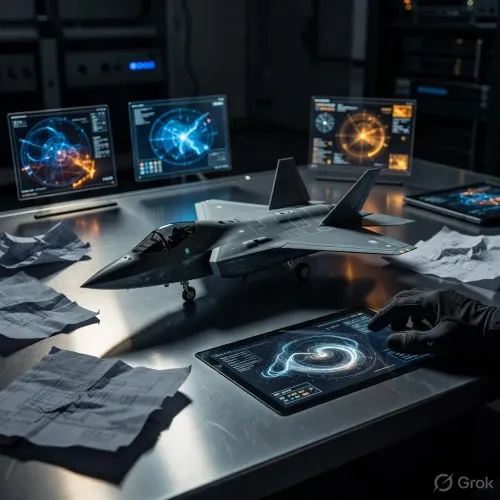
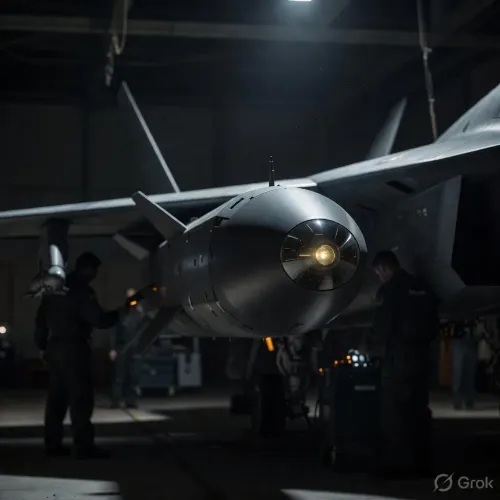
China's J-50 next-generation stealth fighter can autonomously take control if a pilot loses consciousness, according to the aircraft's design team.
The J-50 is also designed for GPS-denied navigation and coordination of self-reorganising large drone formations.
Chinese scientists have reportedly developed an oil-refining method that may cut energy consumption by up to 90% .
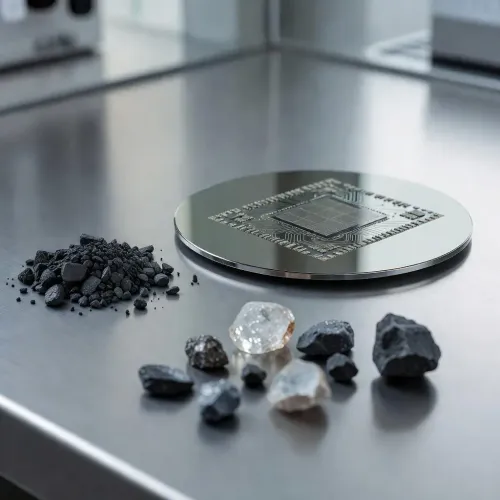
A new technique for extracting critical and rare minerals from lithium waste has been demonstrated, with implications for battery supply chains globally.
Additional highlights from the period include advances in hydrogen fuel cells , a nanodrug for stroke survivors , and work associated with mathematician Deng Yu and the Fields Medal .
All seven breakthroughs span domains — defence, energy, biomedicine, and mathematics — where China and the US are in active strategic competition.
China's scientific establishment made headlines across multiple disciplines in the two weeks ending 23 September 2026, with advances spanning next-generation stealth aviation, clean-energy refining, and critical-mineral recovery from lithium waste — underscoring the breadth of Beijing's state-backed research push.
J-50 Stealth Fighter: Autonomous Flight and Drone Swarms
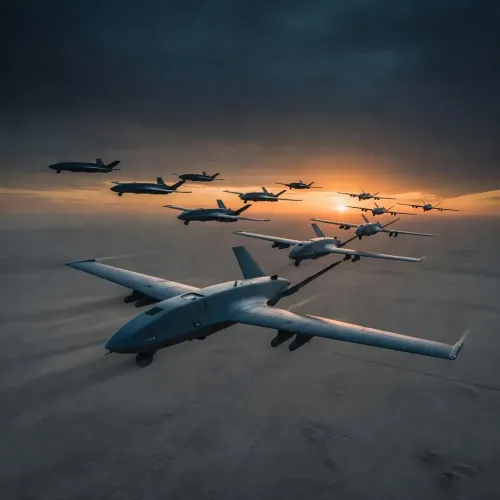
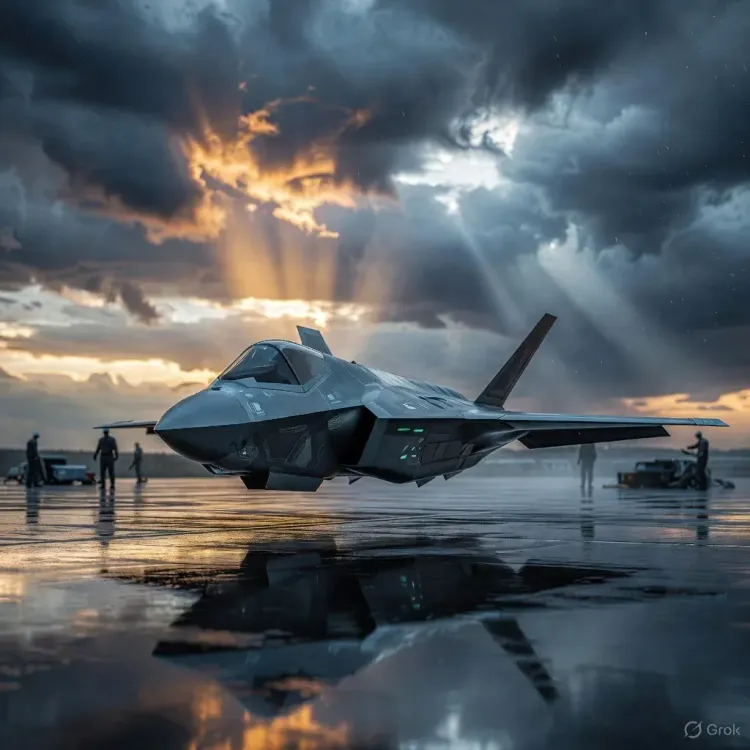
The design team behind China's J-50 next-generation combat aircraft revealed that the platform will be capable of flying autonomously if a pilot loses consciousness, navigating without satellite signals, and operating within self-reorganising large drone formations. The disclosures signal a significant leap in human-machine teaming for frontline air combat, according to the team's published account. Analysts noted the combination of pilot-incapacitation override and GPS-denied navigation addresses two of the most contested vulnerabilities in modern aerial warfare.
Oil Refining Overhaul Could Cut Energy Use by 90%
Chinese scientists have reportedly developed a novel oil-refining method that may reduce energy consumption in the refining process by as much as 90%. If validated at industrial scale, the technique could reshape the economics of petroleum processing and meaningfully reduce the sector's carbon footprint. The breakthrough was among the most consequential energy-transition findings flagged in the review period.
Critical Minerals From Lithium Waste
Researchers have demonstrated a pathway to extract rare and critical minerals from lithium waste streams — a development with direct implications for battery supply chains and the global race to secure materials essential to electric vehicles and grid storage. The method could reduce dependence on primary mining and lower the environmental cost of lithium processing. With the US and allied nations actively seeking to diversify critical-mineral sourcing, the technique carries geopolitical as well as commercial weight.
Why It Matters: Hydrogen, Nanodrugs, and a Fields Medal
The broader seven-item roundup also highlighted advances in hydrogen fuel cells, a nanodrug development relevant to stroke survivors, and work linked to mathematician Deng Yu and the Fields Medal — mathematics' highest honour. The diversity of the findings reflects a concerted effort by Chinese institutions to compete across frontier science simultaneously. Each domain — defence technology, clean energy, biomedicine, and pure mathematics — intersects with areas where China and the US are in active strategic competition.
What's Next
The J-50 disclosures are likely to intensify scrutiny of China's sixth-generation fighter programme and prompt reassessment of timeline assumptions held by US defence planners. On the civilian side, the refining and lithium-recovery breakthroughs will face the standard crucible of peer review and scale-up trials before commercial adoption. Watch for follow-on publications and potential patent filings that could reveal the technical depth — and the export-control exposure — of each advance.
Point of View
One calibrated to shape adversary threat assessments ahead of any actual deployment. The 90% energy-reduction refining claim and lithium-waste mineral recovery, if independently verified, would simultaneously advance China's energy-transition narrative and tighten its grip on critical-mineral supply chains — two pressure points the US and EU are still scrambling to address. Mainstream coverage tends to treat each of these stories as isolated breakthroughs; the more important read is that they form a coordinated portfolio strategy across every frontier that defines 21st-century power. The Fields Medal association with Deng Yu adds a soft-power dimension that is easy to overlook but signals China's ambition to dominate prestige science, not just applied technology.
NationPress
23 Sept 2026
Frequently Asked Questions
What new capabilities has China revealed for the J-50 stealth fighter?
The J-50's design team disclosed that the aircraft can fly autonomously if a pilot loses consciousness, operate without satellite navigation, and lead self-reorganising large drone formations. These capabilities represent a significant advance in autonomous combat aviation and human-machine teaming.
How much energy could China's new oil-refining method save?
Chinese scientists have reportedly developed a refining method that may cut energy use in the oil-refining process by as much as 90%. The technique has not yet been confirmed at full industrial scale, and independent peer review is ongoing.
What is the significance of extracting critical minerals from lithium waste?
Recovering rare and critical minerals from lithium waste could reduce reliance on primary mining and lower the environmental cost of battery production. It is particularly significant given the US and allied nations' efforts to diversify critical-mineral supply chains away from China.
Who is Deng Yu and what is the Fields Medal connection?
Deng Yu is a mathematician whose work was highlighted in the seven-item science roundup in connection with the Fields Medal, mathematics' most prestigious award. The specific nature of the connection was included as part of the broader review of Chinese scientific achievements in the period.
Why do these seven Chinese science breakthroughs matter geopolitically?
The advances span defence technology, clean energy, critical minerals, biomedicine, and pure mathematics — every frontier where China and the US are in active strategic competition. Taken together, they reflect a state-backed research strategy designed to achieve simultaneous leadership across multiple high-stakes domains.