Chopra questions Khawaja's Sandpapergate timing: 'Had to sell his book'
Synopsis
Nearly eight years after Sandpapergate rocked Australian cricket, Usman Khawaja's autobiography has reignited the debate — and drawn a sharp rebuke from Aakash Chopra, who argues the timing reeks of book promotion rather than conscience. Chopra's pointed observation: if the fast bowlers weren't in on the plan, the plan was useless — implying he never bought the original three-man narrative either.
Key Takeaways
Aakash Chopra publicly questioned the timing of Usman Khawaja 's Sandpapergate disclosures, linking them to the promotion of Khawaja's new autobiography.
Khawaja's book reportedly claims more members of the 2018 Australian Test squad knew about the ball-tampering plan than was originally admitted.
Chopra argued that such revelations could have been made via a post-retirement video or tweet, without the commercial context of a book launch.
Chopra also criticised Cricket Australia for going beyond the ICC 's sanctions, including the denial of lifelong captaincy to Steve Smith and David Warner .
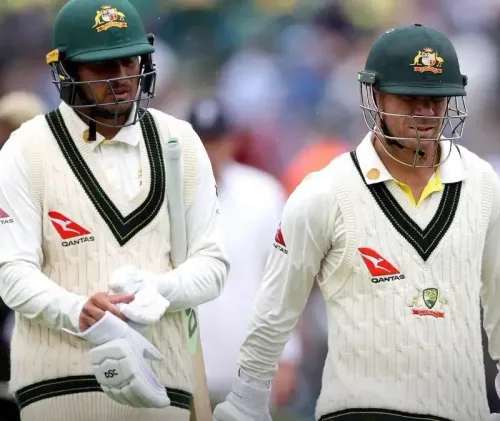
Chopra said he had long believed the original narrative — that only Steve Smith , David Warner , and Cameron Bancroft were involved — was implausible, particularly given the fast bowlers' dependence on a doctored ball.
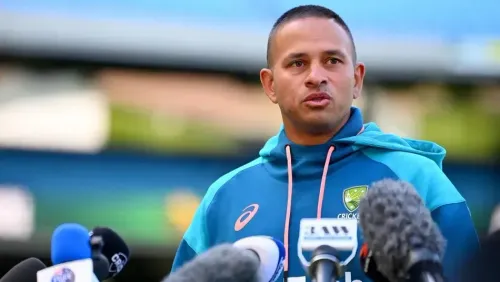
Former Indian cricketer Aakash Chopra has challenged the timing of Usman Khawaja's decision to revisit Australia's 2018 Sandpapergate ball-tampering scandal in his recently released autobiography, suggesting the disclosures appear driven more by book promotion than a genuine desire to set the record straight.
Chopra's Central Argument
Speaking in a video posted to his YouTube channel, Chopra stopped short of dismissing Khawaja's claims outright, acknowledging that the truth about the episode does deserve to surface. However, he was pointed about the method and moment chosen.
'Usman Khawaja has to sell his book. So he said he would dig up the eight-year-old grievances. Some people would say that the truth should come out at some point. I feel it should come. I feel this job could have also been done in a video after retirement,' Chopra said.
He further argued that active players feel a natural loyalty to their dressing room, making mid-career revelations ethically complicated. 'Until retirement, you feel you are part of that team, you don't want to let your players down, and you have to go back to that dressing room. It still seems slightly wrong, but anyway. Even if that's your thought process, after retirement you say you have guilt in your heart and would come out with it; then you could make a video or post a tweet. He tweets a lot,' Chopra added.
What Khawaja Claimed
In his autobiography, Khawaja reportedly suggested that more members of the Australian Test squad were aware of the ball-tampering plan during the 2018 tour of South Africa than the original official narrative acknowledged. The initial account largely confined responsibility to Steve Smith, David Warner, and Cameron Bancroft, with the rest of the team maintaining they had no knowledge of the scheme.
Chopra's Take on the Original Sanctions
Chopra also revisited Cricket Australia's response to the scandal, arguing the governing body overreached in adding its own penalties on top of those handed down by the ICC. 'When the Sandpapergate happened, it was said that only two or three people were involved and the rest of the team should be absolved because they had no idea. Everybody maintained the same story. ICC did what they had to, and after that, Cricket Australia wanted to show everyone that they were holier-than-thou, and that they would punish the people more, which included Steve Smith and David Warner, by denying them lifelong captaincy,' he said.
Among Cricket Australia's measures was the denial of lifelong captaincy to both Smith and Warner — a sanction that went beyond the ICC's own bans.
The Bowling Group and Wider Team Awareness
Chopra said he had long doubted that the tampering plan could have been limited to two or three players, particularly given the operational role of the fast-bowling group. 'They went overboard, but now Usman Khawaja has said that they were all in it. I had also tweeted at that time that I couldn't believe one or two people had done as they wished. No batter is that stupid. If fast bowlers are not included in that plan, that plan is useless,' he said.
Background: The 2018 Sandpapergate Scandal
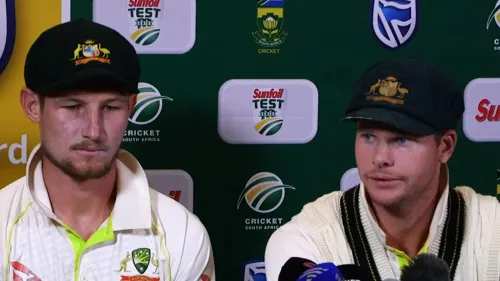
The scandal erupted during Australia's Test series against South Africa in March 2018, when television cameras caught Bancroft using sandpaper to alter the condition of the ball. Smith admitted to being aware of the plan. The ICC imposed bans of varying lengths on the three players, while Cricket Australia added its own suspensions and the captaincy ban. The episode remains one of the most damaging controversies in the history of Australian cricket.
Whether Khawaja's autobiography prompts a formal reassessment by Cricket Australia remains to be seen, but the renewed debate signals that the full story of Sandpapergate may still be unfolding.
Point of View
Which also served career interests. The more significant issue is not timing but substance — if Khawaja's account is accurate, Cricket Australia's post-scandal 'holier-than-thou' framing was built on a selective truth it had every incentive not to interrogate. Chopra's own admission that he never believed the three-man story underlines how thin the original cover was. The real question is whether Cricket Australia or the ICC will now revisit findings from 2018, or whether a cricketer's memoir will simply be absorbed as retrospective colour with no institutional consequence.
NationPress
11 Nov 2026
Frequently Asked Questions
What did Usman Khawaja reveal about Sandpapergate in his autobiography?
Khawaja reportedly claims in his autobiography that more members of the Australian Test squad were aware of the 2018 ball-tampering plan than the original official account acknowledged. The initial narrative confined responsibility to Steve Smith, David Warner, and Cameron Bancroft.
Why did Aakash Chopra criticise the timing of Khawaja's revelations?
Chopra argued that Khawaja's choice to surface these claims through a commercially released autobiography, rather than a post-retirement video or social media post, suggests the timing is at least partly driven by the need to sell the book. He said the same disclosures could have been made without the commercial framing.
What was the original punishment handed out in the 2018 Sandpapergate scandal?
The ICC imposed bans on Steve Smith, David Warner, and Cameron Bancroft after Bancroft was caught using sandpaper to alter the ball during Australia's Test tour of South Africa in March 2018. Cricket Australia added its own penalties, including denying Smith and Warner lifelong captaincy.
Why does Chopra believe more players must have known about the ball-tampering plan?
Chopra argued that ball-tampering is operationally useless unless the fast bowlers, who benefit directly from a doctored ball, are part of the plan. He said he had tweeted the same scepticism in 2018, calling the three-man narrative implausible.
Will Khawaja's autobiography lead to a formal reassessment by Cricket Australia?
There has been no announcement from Cricket Australia or the ICC indicating a formal review of the 2018 findings. Whether the autobiography prompts any institutional response remains to be seen.