Should India Introduce a 'Right to Recall' for Elected Representatives?
Synopsis
In a bold move, AAP's Raghav Chadha proposes a 'Right to Recall' for Indian voters, aiming to hold elected officials accountable. This mechanism, already in place in over 24 democracies, could transform how citizens interact with their representatives. Could this be the change Indian democracy needs?
Key Takeaways
Raghav Chadha proposes a 'Right to Recall' for elected officials in India.
The mechanism allows voters to remove non-performing MPs and MLAs .
Chadha emphasizes the need for accountability in politics.
Over 24 democracies, including Canada and Switzerland , already use this system.
Proposed safeguards aim to prevent misuse of the recall process.
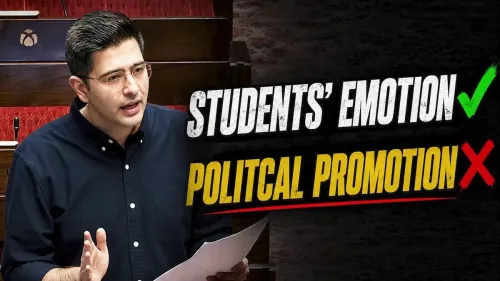
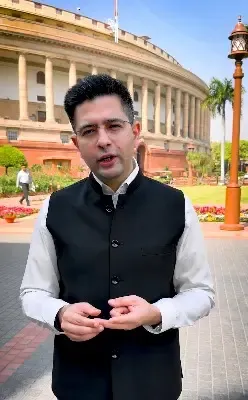
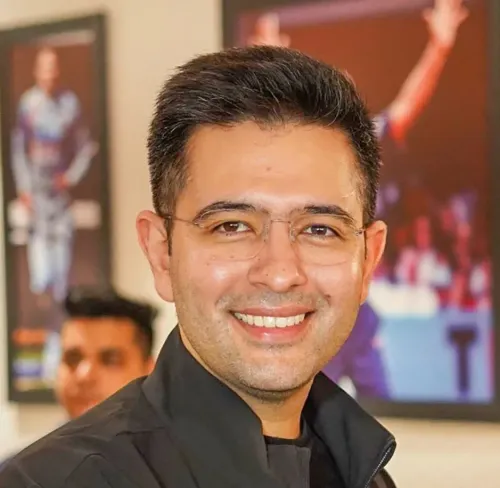
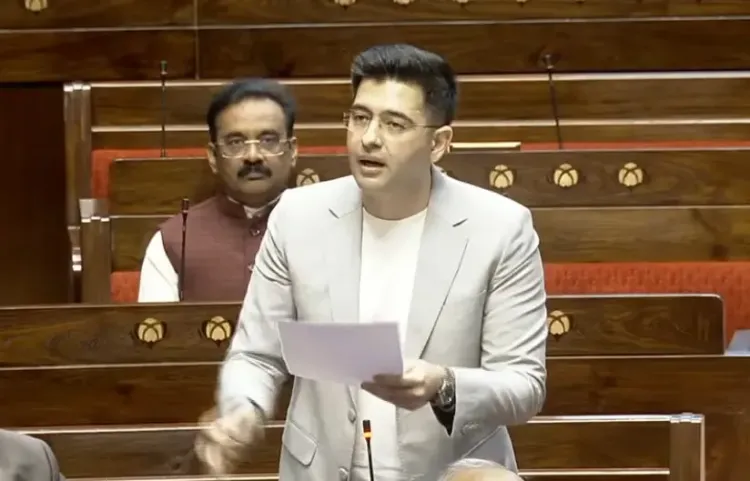
New Delhi, Feb 11 (NationPress) A member of the Rajya Sabha from the Aam Aadmi Party (AAP), Raghav Chadha, has fervently supported the idea of implementing a 'Right to Recall' system in India, which would empower voters to oust underperforming public officials such as MPs and MLAs before their terms conclude.
During the Zero Hour in the Rajya Sabha, Chadha articulated his concerns about the current political framework, which he believes lacks sufficient accountability and assessment of elected officials' performance.
He pointed out a significant issue within India's electoral democracy: “Before elections, leaders pursue the public, but post-elections, it’s the public chasing the leaders.”
Chadha contended that a five-year term feels excessively lengthy in today’s rapidly evolving society, arguing that selecting an unsuitable leader can lead to significant setbacks for numerous individuals and entire regions.
The AAP representative insisted that voters should have the authority to rectify their choices, framing the Right to Recall as not a tool against politicians, but rather as a “safeguard for democracy.”
He drew attention to constitutional provisions that allow for the impeachment of the President, removal of the Vice President, and judges, questioning why voters should not have similar rights against ineffective MPs or MLAs.
Citing examples from other democracies, Chadha noted that over 24 nations, including Canada and Switzerland, utilize this mechanism. He referenced the 2003 recall of California Governor Gray Davis, which occurred after 1.3 million voters signed a petition due to an energy crisis and fiscal mismanagement, ultimately resulting in his ousting by a 55% voter approval in a special election.
In India, he mentioned existing practices at the local level, where gram panchayat representatives in states like Karnataka, Madhya Pradesh, Maharashtra, and Rajasthan can be recalled through votes from the gram sabha.
Chadha suggested safeguards to prevent misuse of this power, including a minimum performance period of 18 months prior to any recall attempts, defined grounds for removal, and a requirement for at least 50% voter support in a recall vote.
He believes that such a system would compel political parties to nominate more capable candidates, eliminate “non-performing assets,” mature India’s democracy, and genuinely empower citizens by providing them with ongoing control over their representatives.
Point of View
I see Raghav Chadha's advocacy for a 'Right to Recall' as a significant step towards enhancing democratic accountability in India. It reflects a growing sentiment among citizens who seek a more participatory role in governance. Ensuring that elected representatives remain answerable to their constituents could potentially reshape the political landscape in our country.
NationPress
8 Oct 2026
Frequently Asked Questions
What is the 'Right to Recall'?
The 'Right to Recall' is a proposed mechanism that allows voters to remove elected representatives before the end of their term if they are deemed underperforming.
Which countries have implemented this system?
Over 24 democracies, including Canada and Switzerland, have successfully implemented the 'Right to Recall'.
How would this impact Indian democracy?
Implementing the 'Right to Recall' could enhance accountability among elected officials and empower voters, making democracy more participatory.
What safeguards are proposed?
Chadha suggests a minimum performance period of 18 months, defined grounds for removal, and a requirement of at least 50% voter approval in a recall vote.
Has this system been used in India before?
Yes, local-level practices in states like Karnataka, Madhya Pradesh, Maharashtra, and Rajasthan allow for the recall of gram panchayat representatives.