US-Iran peace deal: Australian PM Albanese welcomes Hormuz agreement
Synopsis
Australia has backed the US-Iran deal that aims to reopen the Strait of Hormuz — but Canberra's carefully worded welcome, stressing 'continued restraint,' signals that the Albanese government sees the agreement as a fragile first step, not a finished peace. With global energy markets watching every move, the real test begins now.
Key Takeaways
Australian PM Anthony Albanese and Foreign Affairs Minister Penny Wong welcomed the US-Iran peace deal on 15 June .
The deal includes steps to reopen the Strait of Hormuz and end the US naval blockade of Iran.
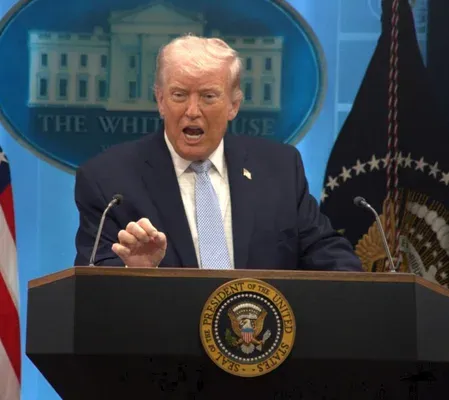
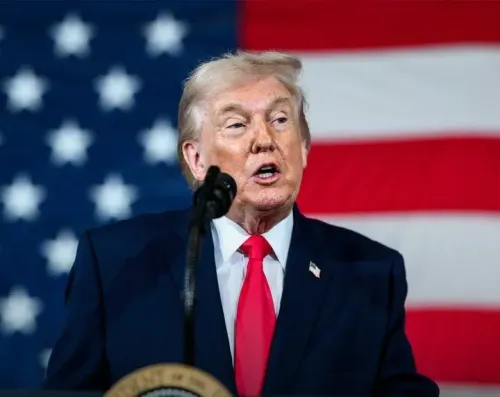
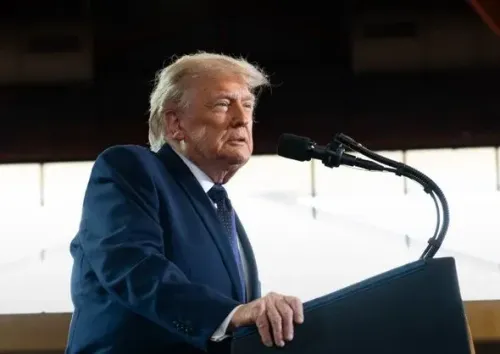
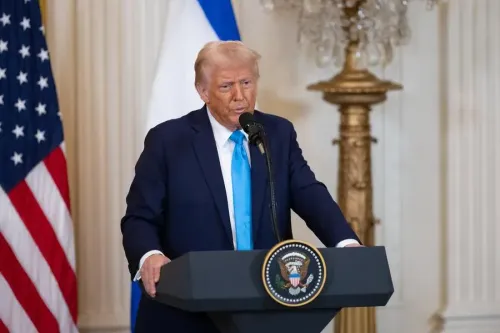
President Donald Trump declared the agreement 'complete' in a social media post, calling it a major breakthrough.
Australia called for 'continued restraint and constructive engagement' from both sides to prevent further escalation.
The Albanese government pledged to protect Australians from the 'worst impacts' of the ongoing Middle East conflict.
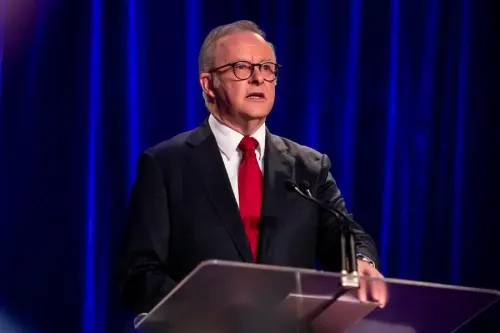
Australian Prime Minister Anthony Albanese on Monday, 15 June welcomed the peace deal struck between the United States and Iran, calling on both nations to maintain restraint and build on the agreement to secure a durable resolution to months of conflict that has unsettled global energy markets.
Joint Statement from Canberra
In a joint statement issued alongside Foreign Affairs Minister Penny Wong, Albanese said the Australian government is 'pleased' that the agreement includes concrete steps toward re-opening the Strait of Hormuz and restoring freedom of navigation through the critical waterway.
'Australia has long called for de-escalation and an end to the conflict, including in Lebanon. As we have said, the longer this war goes on, the greater the impact will be,' the statement read.
'Continued restraint and constructive engagement will be essential to prevent further escalation and secure a lasting agreement,' Albanese and Wong added.
What the Deal Entails
US President Donald Trump announced that Washington and Tehran had finalised an agreement to reopen the Strait of Hormuz and end the US naval blockade — describing it as a major breakthrough following months of conflict. 'The Deal with the Islamic Republic of Iran is now complete. Congratulations to all!' Trump said in a post on social media.
The Strait of Hormuz is the narrow waterway through which a substantial portion of the world's seaborne oil trade passes. Disruptions to shipping in the strait have contributed to significant volatility in global energy prices in recent months, raising fears of a wider regional war.
Australia's Broader Position
The Albanese government reiterated that it would continue to promote peace, stability, and security across the Middle East, and pledged to do everything possible to shield Australians from the 'worst impacts' of the ongoing conflict.
Notably, Australia's response positions Canberra firmly in the diplomatic mainstream — welcoming the deal without explicitly endorsing every aspect of the US-led negotiating framework. This comes amid broader international attention on the fragile post-deal environment and whether both Washington and Tehran will honour their respective commitments.
What Comes Next
International observers and energy markets will be watching closely to see whether the reopening of the Strait of Hormuz translates into a sustained easing of shipping disruptions. The deal's durability will depend on continued restraint from both sides, as Albanese and Wong underscored. A breakdown could rapidly reverse any relief seen in global oil prices.
Point of View
Not enthusiasm. By emphasising 'continued restraint' rather than celebrating a Trump-brokered win, Albanese signals awareness that this deal is untested and reversible. The Strait of Hormuz has been weaponised before, and a single incident at sea could unravel the agreement. Australia's real stake is economic — energy price stability and the security of its own shipping lanes — and the government knows that a fragile deal can be worse than no deal if it emboldens either party to test its limits. What the joint statement conspicuously avoids is any endorsement of the process that got here, leaving Canberra room to distance itself if the deal collapses.
NationPress
14 Sept 2026
Frequently Asked Questions
What is the US-Iran peace deal announced in June 2025?
US President Donald Trump announced that the United States and Iran had finalised an agreement to reopen the Strait of Hormuz and end the US naval blockade of Iran, describing it as a major breakthrough after months of conflict that disrupted global energy markets.
How did Australia respond to the US-Iran deal?
Australian Prime Minister Anthony Albanese and Foreign Affairs Minister Penny Wong issued a joint statement saying the government is 'pleased' with the agreement, particularly the steps toward restoring freedom of navigation through the Strait of Hormuz. They urged both sides to maintain restraint.
Why is the Strait of Hormuz significant?
The Strait of Hormuz is a narrow waterway through which a substantial share of the world's seaborne oil trade passes. Disruptions there have driven volatility in global energy prices and raised fears of a broader regional conflict involving major powers.
What did Trump say about the Iran deal?
Trump declared on social media: 'The Deal with the Islamic Republic of Iran is now complete. Congratulations to all!' He described the agreement as a major breakthrough following months of conflict.
What is Australia's broader position on the Middle East conflict?
The Albanese government has consistently called for de-escalation, including in Lebanon, and has pledged to continue promoting peace, stability, and security across the Middle East while protecting Australians from the conflict's worst economic and security impacts.