Assam floods: CM Sarma seeks 'high-intensity rapid-onset' disaster tag from Centre
Synopsis
Assam CM Himanta Biswa Sarma is pushing for a rare 'atypical, high-intensity, rapid-onset' disaster tag for Upper Assam floods — a classification that could unlock faster, larger central funds. With four districts devastated and embankments breached, the state's seven-point memorandum also proposes a first-of-its-kind North-East disaster coordination body, raising the stakes beyond just immediate flood relief.
Key Takeaways
Assam CM Himanta Biswa Sarma on 31 July urged the Centre to classify Upper Assam floods as an 'atypical, high-intensity, rapid-onset' disaster.
An Inter-Ministerial Central Team (IMCT) visited flood-hit districts following an assurance by Home Minister Amit Shah .
A dedicated Central support package was sought for Sivasagar , Charaideo , Jorhat , and Golaghat districts.
The state submitted a seven-point memorandum covering relief, reconstruction, embankment repair, and social protection.
Assam proposed a North-East disaster risk reduction mechanism spanning all eight northeastern states.
Relaxation of documentation norms under Central and Centrally Sponsored Schemes was also requested to speed up household-level assistance.
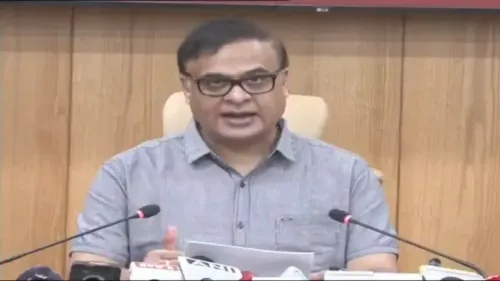
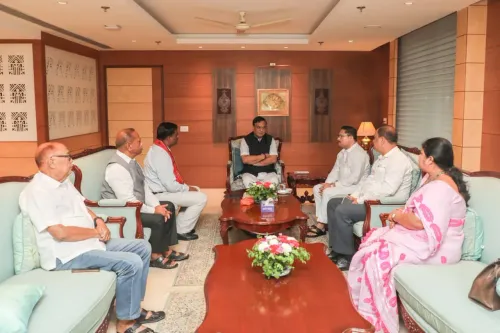
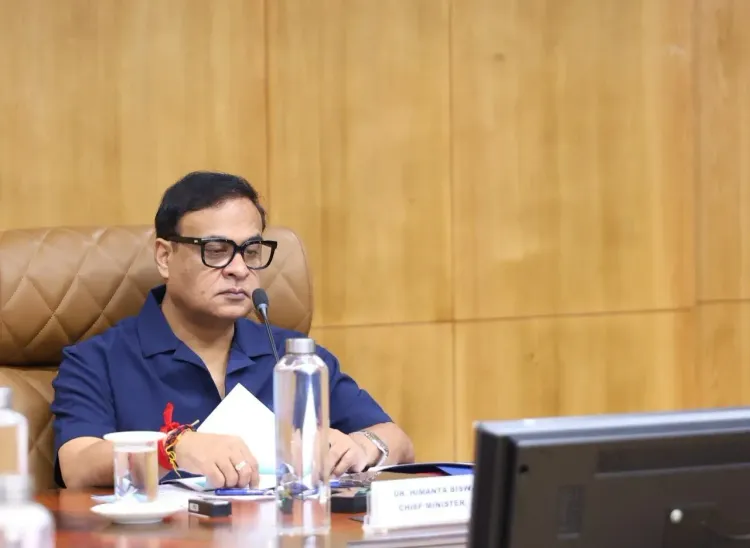
Assam Chief Minister Himanta Biswa Sarma has formally urged the Union government to classify the recent floods in Upper Assam as an 'atypical, high-intensity, rapid-onset' disaster — a designation that would unlock greater flexibility in damage assessment and central financial assistance. The appeal, made on Thursday, 31 July, came alongside a seven-point memorandum submitted to an Inter-Ministerial Central Team (IMCT) that visited flood-ravaged districts to conduct an on-ground assessment.
IMCT Visit and What Triggered It
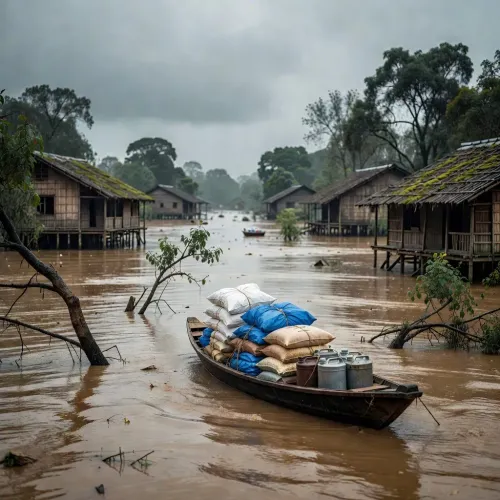
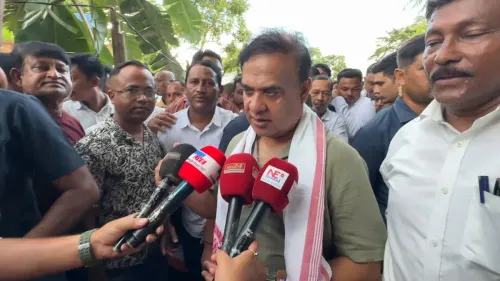
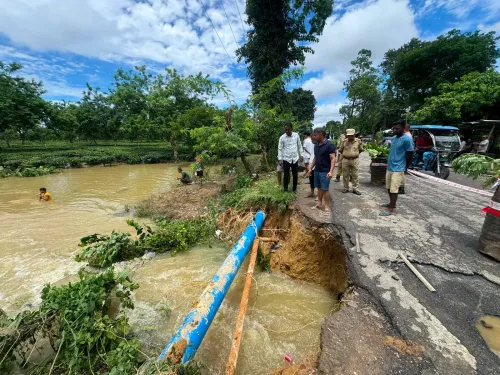
The central team's visit followed an assurance by Union Home Minister Amit Shah that the Centre would closely monitor the flood situation in Assam. The IMCT was briefed on extensive damage to critical infrastructure, agriculture, public utilities and livelihoods across the affected districts. Chief Minister Sarma described the scale of this year's floods as 'unprecedented', saying they left behind 'a trail of devastation which our Double Engine Government will mitigate to ease the sufferings of our people.'
Key Demands in the State Memorandum
The memorandum submitted by the Assam government contained seven key demands covering both immediate relief and long-term resilience. Chief among them was the formal recognition of the Upper Assam floods as an atypical, high-intensity disaster — a classification that would ease procedural constraints under existing central norms.
The state also sought a dedicated Central support package for the worst-hit districts of Sivasagar, Charaideo, Jorhat, and Golaghat, covering relief, housing reconstruction, restoration of public infrastructure, and livelihood revival. Additionally, the memorandum called for relaxation of documentation and eligibility norms under Central and Centrally Sponsored Schemes so that affected households could access assistance without procedural hurdles.
Infrastructure, Embankments and the Next Monsoon
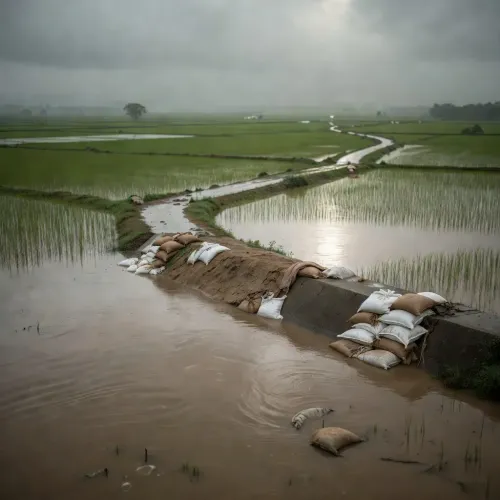
The Assam government proposed a district-wise reconstruction plan for damaged roads, bridges, schools, healthcare institutions, drinking water facilities, and power infrastructure. Highlighting the structural vulnerability of hill-fed rivers, the state urged the Centre to commission a rapid multi-agency assessment of breached embankments and reinforce flood protection works before the next monsoon season — signalling that the risk of repeat flooding remains acute.
Broader Social Protection and a North-East Mechanism
The memorandum also called for convergence of disaster relief with national schemes covering housing, agriculture, drinking water, healthcare, and social protection, with targeted assistance sought for women, children, senior citizens, and persons with disabilities. In a proposal with wider regional implications, Assam urged the establishment of a dedicated North-East disaster risk reduction mechanism to improve coordination among all eight northeastern states across preparedness, response, recovery, and mitigation stages.
What Comes Next
Chief Minister Sarma expressed confidence that the IMCT would convey Assam's concerns and requirements to the Union government for 'appropriate action.' The central team's report is expected to inform decisions on special disaster assistance allocations. Whether the Centre grants the atypical disaster classification — and the financial flexibility that comes with it — will be the critical determinant of how quickly relief reaches the most affected communities in Upper Assam.
Point of View
High-intensity' disaster classification is not merely semantic — it is a fiscal lever. Under standard National Disaster Response Fund norms, states face rigid per-unit assistance caps that rarely reflect actual reconstruction costs. A special category tag can unlock both higher per-household payouts and faster disbursement. What is notable here is that Assam is simultaneously seeking immediate relief and structural reform: the proposed North-East disaster coordination body, if accepted, would be the most significant institutional change in regional disaster governance in years. The Centre's response will signal whether it treats this as a one-off relief request or an opportunity to address the chronic under-preparedness of hill-fed river systems that flood the northeast with near-clockwork regularity every monsoon.
NationPress
14 Sept 2026
Frequently Asked Questions
Why is Assam seeking a 'high-intensity rapid-onset' disaster classification for the floods?
The classification would allow greater flexibility in damage assessment and higher financial assistance under central norms that otherwise cap per-unit payouts. Assam argues the scale of this year's Upper Assam floods is unprecedented and does not fit standard disaster-relief templates.
Which districts are worst affected by the Upper Assam floods?
The districts of Sivasagar, Charaideo, Jorhat, and Golaghat have been identified as the worst-hit, with damage reported to infrastructure, agriculture, housing, and public utilities. The state has sought a dedicated Central support package specifically for these four districts.
What is the Inter-Ministerial Central Team and what did it do in Assam?
The Inter-Ministerial Central Team (IMCT) is a Union government body constituted to conduct on-ground assessments of disaster damage. It visited Upper Assam's flood-affected districts following Home Minister Amit Shah's assurance that the Centre would closely monitor the situation, and was briefed on infrastructure damage and relief efforts.
What is the proposed North-East disaster risk reduction mechanism?
It is a dedicated coordination body proposed by Assam to improve disaster preparedness, response, recovery, and mitigation across all eight northeastern states. If accepted by the Centre, it would be a significant institutional step toward unified regional disaster governance.
What procedural relief has Assam sought for flood-affected households?
The state has requested relaxation of documentation and eligibility requirements under Central and Centrally Sponsored Schemes so that affected families can access financial assistance without bureaucratic delays — a common bottleneck in post-disaster relief delivery.