Delhi Cabinet approves heritage research fellowships for archives and archaeology
Synopsis
The Delhi Cabinet has greenlit 27 paid research fellowships — split across archives and archaeology — to scientifically document and digitise the capital's centuries-old heritage. With stipends up to ₹50,000 a month and a focus on lesser-known monuments and Urdu-Persian manuscripts, it is one of the most structured heritage research initiatives the Delhi government has announced in recent years.
Key Takeaways
The Delhi Cabinet approved the Research Fellowship in Archives and Research Fellowship in Archaeology on 11 July .
A total of 27 fellows will be selected annually — 15 for archives and 12 for archaeology.
Monthly stipends range from ₹25,000 to ₹50,000 for a one-year term.
The archives fellowship covers digitisation, microfilming, conservation, and Urdu and Persian language research.
The archaeology fellowship targets Delhi's lesser-known monuments and is expected to boost heritage tourism.
Chief Minister Rekha Gupta said the schemes will build a skilled professional pool in heritage conservation.
The Delhi Cabinet, led by Chief Minister Rekha Gupta, on Saturday, 11 July approved two dedicated research fellowship schemes — the Research Fellowship in Archives and the Research Fellowship in Archaeology — aimed at the scientific study, documentation, and digitisation of Delhi's millennia-old historical heritage. A total of 27 fellows will be selected annually and will receive monthly stipends ranging from ₹25,000 to ₹50,000 for a one-year term.
What the Fellowships Cover
The Research Fellowship in Archives will support 15 fellows each year, focusing on records management, preservation and conservation of archival material, digitisation of historical records, microfilming, reprography, research publications, and Oriental languages — particularly Urdu and Persian. The scheme is designed to provide an institutional platform for researchers, archivists, conservation specialists, historians, linguists, and heritage experts.
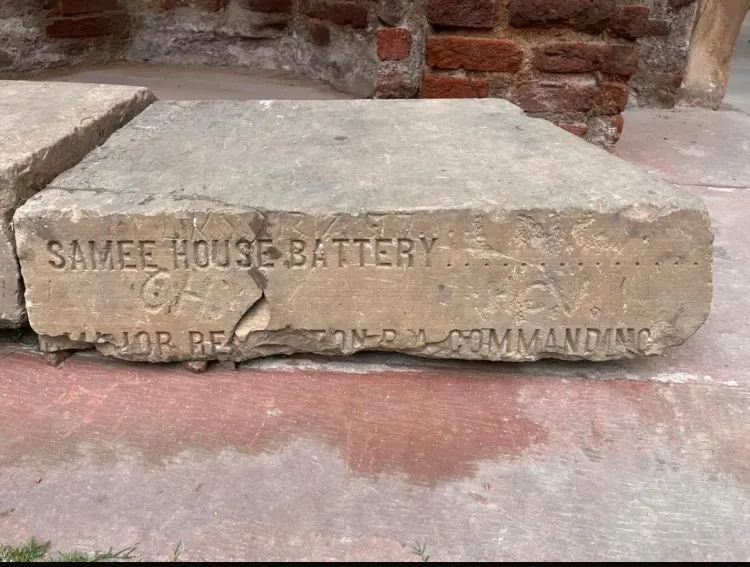
The Research Fellowship in Archaeology will select 12 fellows annually. It is specifically oriented toward the study, conservation, and enhancement of Delhi's lesser-known archaeological sites and monuments, with a focus on history, architecture, and heritage conservation. Officials noted that this stream is also expected to give fresh momentum to heritage tourism in the capital.
What the Government Said
'Through these fellowships, Delhi's history will be presented in a research-based and authentic manner to future generations as well as researchers across the world,' Chief Minister Gupta said in an official statement.
Gupta described Delhi as 'not only the national capital but also a living heritage of thousands of years of history, culture, and civilisation,' adding that preserving this legacy, ensuring its scientific study, and making it accessible to future generations are among the Delhi Government's stated priorities.
Why It Matters
Delhi's archival and archaeological wealth — spanning manuscripts, official records, monuments, and excavation sites — has historically been under-documented and unevenly accessible to public and academic researchers. This comes amid a broader national push to digitise cultural records and make heritage repositories more transparent and searchable.
Notably, the inclusion of Urdu and Persian language expertise within the archives fellowship signals an intent to recover and contextualise records from the Mughal and pre-colonial administrative periods, which form a significant portion of Delhi's documentary history.
Building a Professional Heritage Workforce
Chief Minister Gupta said the twin schemes are expected to build a trained pool of professionals in archives, archaeology, and heritage conservation — fields that have long faced a shortage of credentialled specialists in India. The fellowships offer structured, institution-backed research opportunities that are currently limited in number across the country.
What Happens Next
With Cabinet approval secured, the schemes will move toward implementation, including the selection process for the first cohort of fellows. The government has not yet announced a specific timeline for applications to open, but the annual selection cycle suggests the first batch could be onboarded within the current financial year. Heritage bodies and academic institutions are expected to be key partners in the fellowship's execution.
Point of View
But the real measure of success will be what happens to the research produced. India has a long history of government-funded heritage studies whose outputs never reach public repositories or inform policy. The explicit inclusion of Urdu and Persian expertise is significant — it signals a willingness to engage with archival material from periods that are sometimes politically sensitive. Whether the selection process is transparent and merit-based, and whether the digitised records are made genuinely open-access, will determine if this is a lasting institutional investment or a well-funded one-year exercise.
NationPress
10 Oct 2026
Frequently Asked Questions
What are the Delhi research fellowships approved by the Cabinet?
The Delhi Cabinet approved two schemes on 11 July: the Research Fellowship in Archives and the Research Fellowship in Archaeology. Together, they will support 27 fellows annually with monthly stipends of ₹25,000 to ₹50,000 for one year each, focused on documenting and digitising Delhi's historical heritage.
How many fellows will be selected and what will they be paid?
A total of 27 fellows will be chosen each year — 15 for the archives fellowship and 12 for the archaeology fellowship. Each fellow receives a monthly stipend between ₹25,000 and ₹50,000 for a one-year term.
What work will the archive fellows carry out?
Archive fellows will work on records management, preservation and conservation of archival material, digitisation of historical documents, microfilming, reprography, research publications, and studies in Oriental languages, particularly Urdu and Persian.
What is the focus of the archaeology fellowship?
The archaeology fellowship focuses on the study, conservation, and enhancement of Delhi's lesser-known archaeological sites and monuments, covering history, architecture, and heritage conservation. Officials have also linked it to boosting heritage tourism in the capital.
Why has the Delhi government launched these fellowships?
Chief Minister Rekha Gupta cited the need to preserve Delhi's centuries-old heritage — spanning archives, manuscripts, archaeological sites, and monuments — through scientific study and digitisation, and to build a trained pool of heritage professionals in India.