Iran keeps Hormuz two-day reopening plan alive amid US nuclear talks
Synopsis
Iran's Foreign Ministry has kept its two-day Hormuz reopening plan alive — a compressed version of September's seven-day proposal — as Trump simultaneously calls fresh strikes 'highly unlikely' and sanctions eight Canadian firms for helping Tehran move crypto funds. The dual-track of diplomacy and pressure on both sides makes a deal possible but fragile.
Key Takeaways
Iran's spokesman Esmaeil Baghaei confirmed on 9 November 2026 that Tehran's two-day plan to reopen the Strait of Hormuz remains on the table.
Iran originally proposed a seven-day plan in September ; it was later reduced to two days conditional on the US meeting Tehran's demands.
US President Donald Trump called renewed military strikes 'highly unlikely' but did not rule them out, linking any deal to Iran's nuclear programme .
Trump claimed the US had identified infrastructure targets including power plants and could destroy 38 bridges in an hour .
The Trump administration imposed sanctions on eight Canadian businesses accused of helping Iran move funds via cryptocurrency networks .
The Strait of Hormuz handles roughly 20% of global petroleum trade, making its status a live global energy market risk.
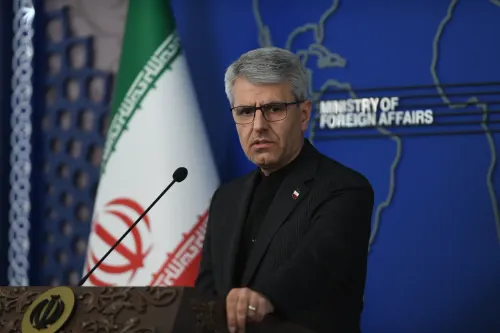
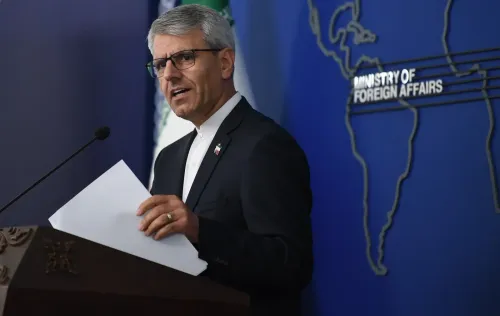
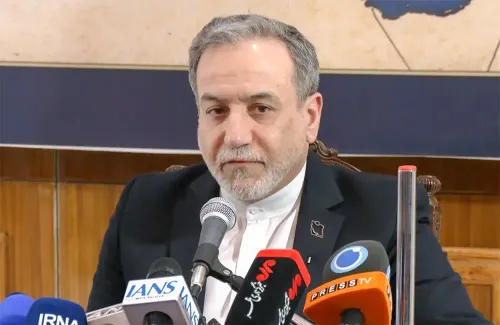
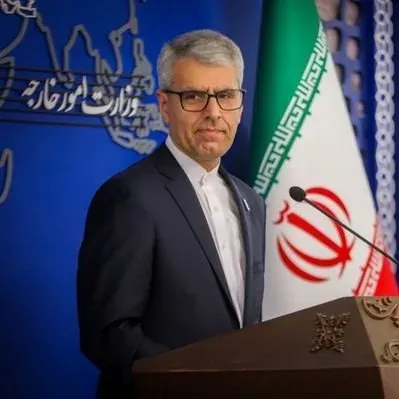
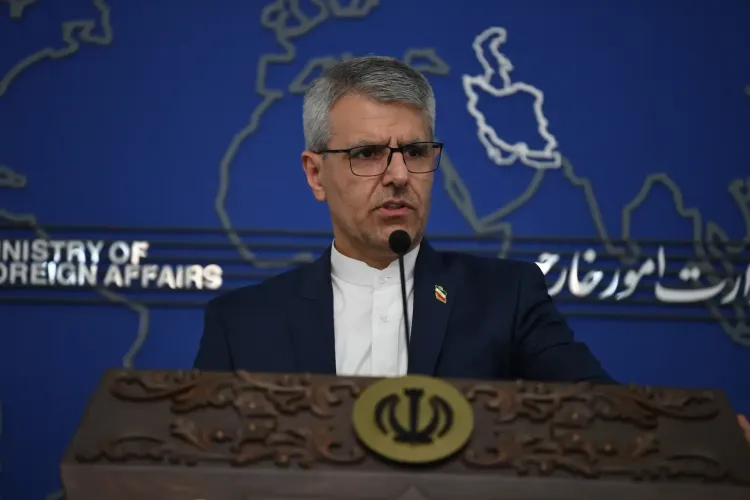
Iran's Foreign Ministry spokesman Esmaeil Baghaei on Monday, 9 November 2026 confirmed that Tehran's two-day plan for reopening the Strait of Hormuz remains on the table, even as diplomatic back-channels between Iran and the United States continue over Tehran's nuclear programme and regional security. The statement, delivered at Baghaei's weekly press conference in Tehran, signals Iran's continued willingness to negotiate while maintaining firm conditions.
What Iran's Two-Day Plan Proposes
'Our position regarding the negotiations is completely clear and transparent. Iran's two-day plan per se is indicative of the country's utmost good faith,' Baghaei said. He described the proposal as the 'most logical' option currently available, arguing that if Washington meets Tehran's demands, 'positive events' in the West Asia region could unfold within two days and security could be restored swiftly.
Iran had originally conveyed a seven-day proposed plan to the United States in September to cease hostilities and reopen the strategically vital waterway. Tehran subsequently indicated readiness to compress that timeline to two days, provided Washington met its conditions — a significant concession that Baghaei reiterated on Monday.
Trump's Stance: Strikes 'Highly Unlikely' but Not Ruled Out
US President Donald Trump, in a phone interview with CNN on Sunday, said renewed military strikes on Iran were 'highly unlikely' as long as negotiations made progress, though he explicitly did not rule out further military action. 'It depends on whether or not they sign a very strong agreement,' Trump said, linking any deal to both Iran's nuclear programme and the reopening of the Strait of Hormuz.
Trump also claimed the United States had already dealt a severe blow to Iran and had identified potential infrastructure targets — including power plants and bridges — reportedly asserting that Washington could destroy 38 bridges in an hour. 'Most likely it will not be necessary,' he added. 'They want to make a deal so badly.'
Sanctions and Back-Channel Talks Running in Parallel
Even as diplomatic contacts continue, the Trump administration separately imposed sanctions on eight Canadian businesses accused of helping Tehran move money through cryptocurrency networks. The dual-track approach — talks alongside fresh economic pressure — reflects Washington's established maximum-pressure posture.
'We're talking to Iran. We have been,' Trump told reporters before departing the White House, confirming that back-channel engagement is active despite the ongoing military and sanctions pressure.
Why the Strait of Hormuz Matters
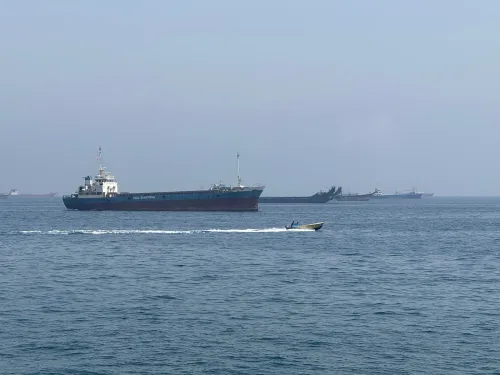
The Strait of Hormuz is the world's most critical oil chokepoint, through which roughly 20% of global petroleum trade passes. Any prolonged closure or disruption has immediate consequences for global energy prices, shipping insurance rates, and regional stability. This context makes Tehran's offer — however conditional — diplomatically significant beyond the bilateral Iran-US dynamic.
What Comes Next
The pace of a potential agreement hinges on whether Washington formally responds to Iran's two-day framework. Baghaei's pointed remark that the US should make its decision 'if it has correctly understood its people's message' appeared to invoke domestic American political pressure as leverage. Analysts are watching for a formal US counter-proposal, which has not yet been publicly confirmed.
Point of View
Not just a backdrop. Trump's simultaneous posture of open negotiations and graphic threats about destroying 38 bridges in an hour reflects a maximum-pressure doctrine that has historically made structured deals harder to close. The parallel sanctions on Canadian crypto intermediaries confirm that economic warfare and diplomacy are running on separate tracks — which risks poisoning the negotiating atmosphere even as both sides claim readiness to deal. The Strait of Hormuz is ultimately a global energy choke point, and the longer this standoff continues without a formal US counter-proposal, the more energy markets and regional actors are left absorbing the uncertainty.
NationPress
9 Nov 2026
Frequently Asked Questions
What is Iran's two-day plan for the Strait of Hormuz?
Iran's two-day plan is a diplomatic proposal under which Tehran would reopen the Strait of Hormuz and restore regional security within two days, provided the United States meets Iran's stated conditions. It is a compressed version of a seven-day plan Iran originally conveyed to Washington in September.
Why is the Strait of Hormuz so important?
The Strait of Hormuz is the world's most critical oil chokepoint, handling roughly 20% of global petroleum trade. Any closure or sustained disruption directly affects global energy prices, shipping costs, and regional stability across West Asia.
What has Donald Trump said about military action against Iran?
Trump said in a CNN interview on Sunday that renewed military strikes on Iran were 'highly unlikely' as long as negotiations progressed, but he did not formally rule them out. He linked any deal to both Iran's nuclear programme and the reopening of the Strait of Hormuz.
What sanctions has the US imposed alongside the Iran talks?
The Trump administration imposed sanctions on eight Canadian businesses accused of helping Tehran move money through cryptocurrency networks. The move signals that economic pressure is continuing in parallel with any diplomatic engagement.
What needs to happen for a deal to be reached?
Iran is waiting for the United States to formally respond to its two-day framework and meet Tehran's conditions. No formal US counter-proposal has been publicly confirmed, and the timeline for a resolution remains uncertain.