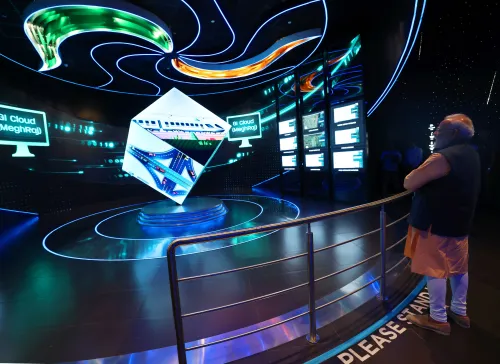
PM Gati Shakti model transforms India's infrastructure into people-centric system
Synopsis
PM Modi's Gati Shakti model isn't just a planning tool — it represents a fundamental rewiring of how India builds. By forcing 16 ministries to see infrastructure as a citizen-experienced system rather than departmental assets, it addresses the sequencing failures that long undercut India's project returns. The airport-to-expressway expansion is visible; the paradigm shift behind it is the deeper story.
Key Takeaways
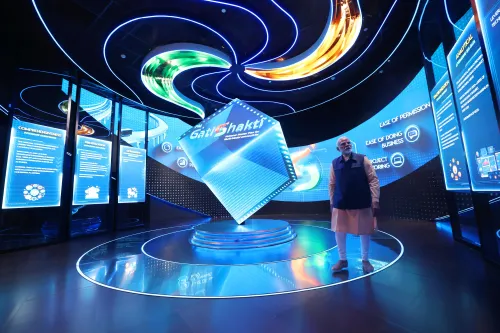
PM Narendra Modi on 26 October 2026 shared an article on X by NITI Aayog member Rajiv Gauba highlighting the Gati Shakti model's impact.
The PM Gati Shakti framework shifts infrastructure planning from siloed departmental projects to an integrated, citizen-centric system across 16 ministries .
India's airport network has more than doubled under Modi's tenure; railways, highways, ports and metro systems have also seen major expansion.
The model identifies project interdependencies at the design stage , reducing cost overruns and sequencing conflicts.
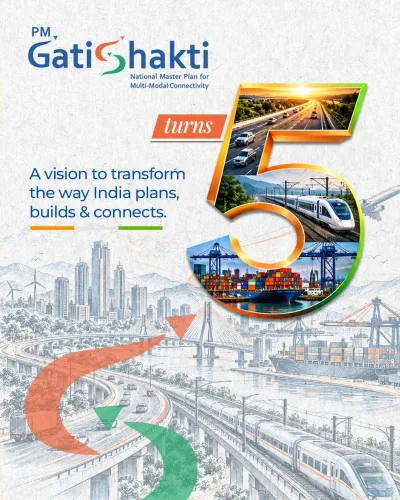
The Gati Shakti National Master Plan was launched in October 2021 using a GIS-based digital platform to coordinate investments.
Prime Minister Narendra Modi on Monday, 26 October 2026, underscored that India's infrastructure planning has fundamentally shifted from siloed, project-by-project execution to an integrated, citizen-first model under the PM Gati Shakti framework — one that prioritises connectivity, ease of living, and economic productivity at scale.
Modi shared on X an article authored by Rajiv Gauba, NITI Aayog member and former Cabinet Secretary, which argues that the Prime Minister's 25 years in public office — first as Gujarat Chief Minister, then at the Centre — have fundamentally reshaped how India conceptualises, plans, and delivers infrastructure.
The Core Shift: From Silos to Systems
The article draws a sharp distinction between conventional inter-departmental coordination and the Gati Shakti approach. Traditionally, ministries and agencies planned individual assets in isolation, discovering conflicts and redundancies only after projects had reached the ground. Under Gati Shakti, planners identify interdependencies at the drawing-board stage.
'Before a road is designed, what else is slated for that corridor? If a port is meant to serve a wider region, how will its hinterland be connected, and can these investments be sequenced so that one is ready the moment the other goes live? The Gati Shakti approach helped discover such interdependencies and mitigate conflicts, which helped plan projects in such a way that it optimised the costs,' the article states.
Scale of Infrastructure Expansion Under Modi
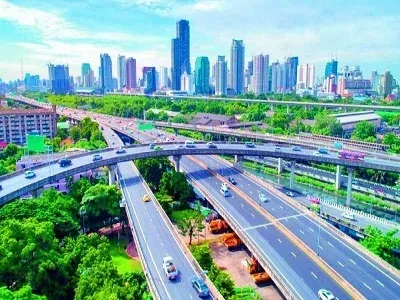
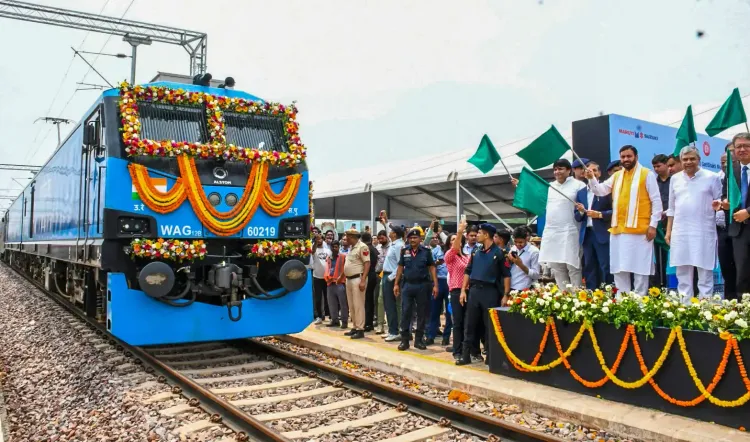
The article catalogues the physical transformation India has undergone across key sectors. India's airport network has more than doubled. The railway system has been overhauled through dedicated freight corridors, electrification, Vande Bharat train services, and redeveloped stations. National highways have expanded substantially, while new expressways, ports, and metro networks have collectively reshaped the country's connectivity landscape.
The article notes that the transformation of Gujarat's infrastructure during Modi's tenure as Chief Minister laid an early template — one later scaled nationally when he assumed charge in New Delhi.
Why Citizen Experience Drives the Model
A central argument in the article is that citizens and businesses do not encounter infrastructure along departmental lines. According to Gauba, 'A person commuting to work, a farmer transporting crops to a mandi, or a manufacturer managing a supply chain relies on roads, railways, ports, water, and power as an integrated system. When even one link in this chain is weak or missing, the return on every other investment and ease of living suffers.'
This outcome-oriented framing, the article argues, is a departure from asset-centric planning, where success was measured by project completion rather than the lived experience of users.
Significance and Broader Context
The Gati Shakti National Master Plan, launched in October 2021, uses a GIS-based digital platform to map infrastructure assets and plan future investments in concert across 16 ministries. It was designed precisely to prevent the duplication and sequencing failures that characterised earlier infrastructure cycles. This comes amid a wider push by the Centre to position India's infrastructure build-out as both a domestic competitiveness lever and a signal to global investors of institutional planning capacity.
With major freight corridors nearing completion and new port-led industrial clusters in development, the Gati Shakti framework is poised to face its most consequential stress test in the years ahead.
Point of View
However, is the measurement question: how consistently are interdependencies actually being resolved at the planning stage versus discovered later, and what is the quantified saving in cost and delay? India's infrastructure story needs credible outcome metrics, not just output counts. Airports doubled and highways lengthened are necessary signals, but without time-to-completion, cost-variance, and utilisation data, it is difficult to attribute gains to the planning framework rather than to raw capital expenditure.
NationPress
26 Oct 2026
Frequently Asked Questions
What is the PM Gati Shakti model?
The PM Gati Shakti National Master Plan is a GIS-based digital infrastructure planning framework launched in October 2021 that coordinates investment decisions across 16 central ministries. It aims to identify interdependencies between projects at the design stage, preventing sequencing conflicts and cost overruns.
What did PM Modi share on X regarding Gati Shakti?
PM Modi shared an article on X authored by Rajiv Gauba, NITI Aayog member and former Cabinet Secretary, which argues that Modi's 25 years in public office have transformed how India plans and delivers infrastructure — moving from piecemeal departmental projects to an integrated, citizen-centric approach.
How has India's infrastructure expanded under the Gati Shakti approach?
According to the article, India's airport network has more than doubled, the railway system has been modernised through freight corridors, Vande Bharat services and station redevelopment, and national highways, expressways, ports and metro networks have all expanded substantially.
Why does the Gati Shakti model emphasise citizen experience?
The model is premised on the insight that citizens and businesses experience infrastructure as an integrated system — not along departmental lines. A missing or weak link in roads, railways, ports, water or power reduces the return on every other investment, so planning must reflect that system-level reality.
How is Gati Shakti different from earlier infrastructure planning in India?
Earlier planning was piecemeal, with each ministry or agency responsible for its own assets, often discovering interdependencies only when conflicts arose on the ground. Gati Shakti requires planners to map all planned investments on a shared digital platform before projects are designed, enabling sequenced and cost-optimised delivery.