PoK elections 2026: Ideological exclusion, boycotts and deadly clashes mark vote
Synopsis
The 2026 PoK elections weren't a democratic exercise gone wrong — they were a controlled system working exactly as designed. With PTI and JAAC boycotting, 30 reportedly killed in Rawalakot, internet shut down, and 12 refugee seats baked into the framework, PML-N's 13-seat haul reflects Islamabad's grip, not the territory's will.
Key Takeaways
The 2026 PoK elections were marked by boycotts from PTI and the Joint Awami Action Committee (JAAC) , citing electoral fraud and political grievances.
According to JAAC , more than 30 people were killed in clashes between security forces and civilians in Rawalakot during the first phase of voting.
PML-N won 13 seats and PPP won 4 seats in preliminary results, from a heavily contested process.
Communications blackouts, road blockades, and restricted access to affected areas were reported during polling.
The electoral framework includes 12 externally elected refugee seats , which critics say undermines genuine representation.
JAAC has urged the UN and OHCHR to investigate the violence and ensure accountability for alleged unlawful use of force.
Legislative assembly elections in Pakistan-occupied Kashmir (PoK) have once again exposed the deepening contradiction between Islamabad's rhetoric of democratic self-governance and the tightly controlled political reality on the ground. A detailed report has found that the 2026 PoK elections reflect a system built on ideological exclusion, restricted participation, and structural dependence on Pakistan's federal government.
Boycotts, Violence and Communications Blackouts
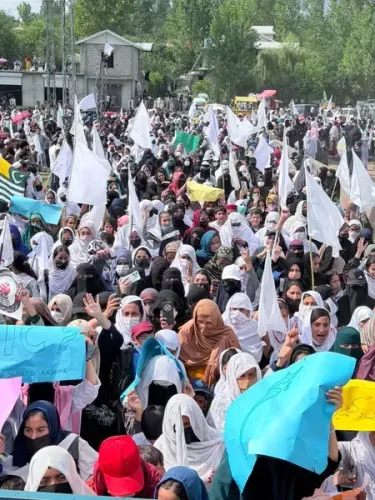
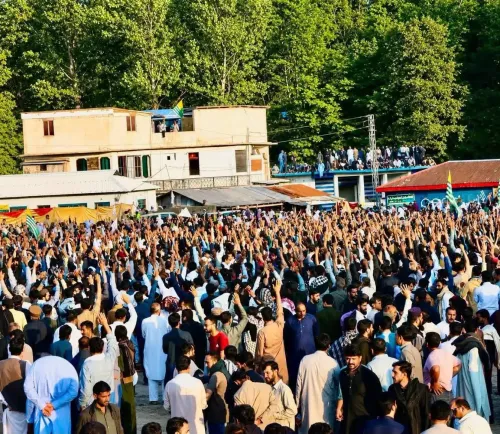
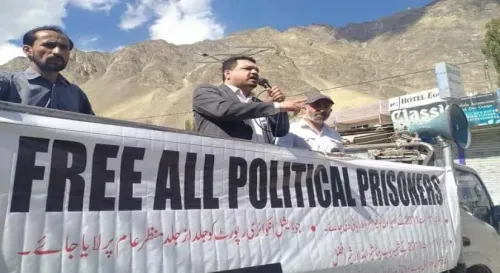
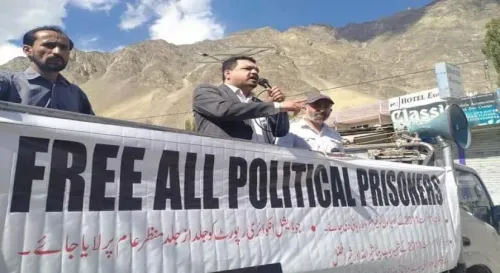
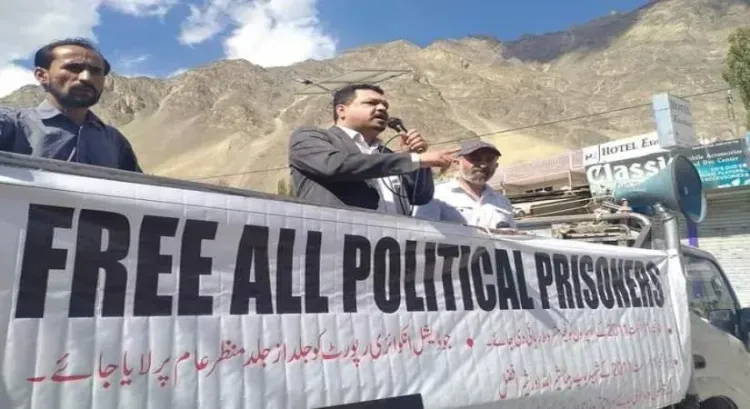
The elections were held against a backdrop of widespread unrest. The Joint Awami Action Committee (JAAC) — which had led months of protests over economic and political grievances — urged its supporters to boycott the vote. The Pakistan Tehreek-e-Insaf (PTI) also refused to participate, citing concerns over electoral fraud and the deepening political crisis in the territory.
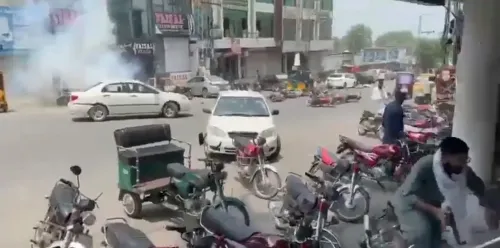
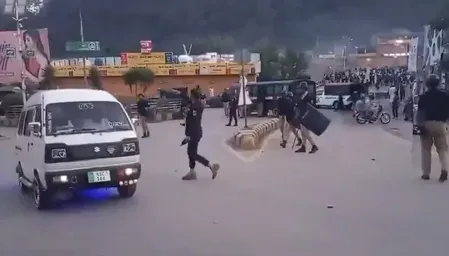
Violent clashes were reported, particularly in Rawalakot, during the first phase of voting. According to JAAC, more than 30 people were killed in confrontations between security forces and civilians. JAAC members and local witnesses alleged that security forces used live ammunition against protesters — a charge that has not been independently verified.
Separately, JAAC alleged on Tuesday that Pakistani forces opened live fire and deployed tear gas against unarmed civilians in Bagh district, and that security personnel set civilians' motorcycles ablaze in the Makri region of Muzaffarabad district.
Road Blockades and Internet Shutdowns
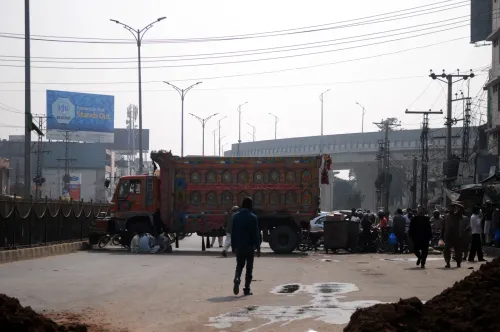
Residents also faced road blockades, disruption of internet services, and restrictions on mobile communications during the polling period. The communication clampdown further undermined confidence in the credibility of the electoral process, with limited independent access to affected areas reported.
The residents' grievances with Pakistani authorities include demands over flour subsidies, electricity pricing, refugee seat allocations, and the limited powers granted to local institutions — issues that the JAAC has championed through sustained street protests.
Preliminary Results and What They Conceal
According to preliminary results issued by the regional Election Commission, the Pakistan Muslim League-Nawaz (PML-N) secured wins in 13 seats, while the Pakistan Peoples Party (PPP) won 4 seats in the first phase. However, these figures emerge from a process where two significant political forces — PTI and JAAC — refused to participate.
Notably, the electoral framework includes 12 externally elected refugee seats, a structural feature that critics argue dilutes the representative character of the assembly. Historically, local governments in PoK have aligned with Pakistan's federal ruling party, further weakening claims that the assembly reflects the unrestricted will of the resident population.
Systemic Concerns, Not a One-Off Breakdown
The report framing the elections stated: 'The 2026 election does not represent a sudden breakdown of an otherwise healthy democratic system. It is the latest expression of a system shaped by controlled participation, ideological exclusion, and political dependence on Islamabad.'
This framing points to a structural, not incidental, problem — one that has persisted across multiple electoral cycles in the territory.
International Accountability Demanded
The JAAC has called on the United Nations, the Office of the UN High Commissioner for Human Rights (OHCHR), international media, and global human rights bodies to closely monitor the situation in PoK. The committee has pressed for an immediate and independent investigation into the violence and demanded accountability for any unlawful use of force by security personnel.
With the situation in PoK remaining volatile and international scrutiny intensifying, the legitimacy of the 2026 assembly is likely to remain contested well beyond the final vote count.
Point of View
Over 30 are reportedly killed in a single district, and communications are shut down during voting, what remains is not a flawed election but a managed outcome. The structural inclusion of 12 refugee seats — elected outside the territory — is a design feature, not an anomaly, and it tells you everything about whose consent Islamabad is actually seeking. International calls for investigation are predictable; what is less predictable is whether any body with enforcement capacity will respond.
NationPress
19 Sept 2026
Frequently Asked Questions
What happened during the 2026 PoK elections?
The 2026 legislative assembly elections in Pakistan-occupied Kashmir were held amid widespread unrest, including boycotts by PTI and JAAC, violent clashes in Rawalakot where JAAC claims over 30 people were killed, and communications blackouts. A report described the elections as reflecting a system of ideological exclusion and controlled participation rather than genuine democratic will.
Why did PTI and JAAC boycott the PoK elections?
PTI cited concerns over electoral fraud and the broader political crisis in PoK, while JAAC — which had led months of street protests — called for a boycott over unresolved economic and political grievances including flour subsidies, electricity pricing, and the limited authority of local institutions.
Who won the first phase of the PoK elections?
According to preliminary results from the regional Election Commission, PML-N won 13 seats and PPP won 4 seats in the first phase. However, the results come from a process boycotted by PTI and JAAC, and are disputed on grounds of credibility.
What are the allegations against Pakistani security forces in PoK?
JAAC and local witnesses alleged that security forces used live ammunition against civilian protesters in Rawalakot, resulting in more than 30 deaths according to the committee. Separately, JAAC alleged that forces opened fire and used tear gas in Bagh district, and set civilians' motorcycles ablaze in the Makri region of Muzaffarabad district.
What has JAAC demanded from the international community?
JAAC has called on the United Nations, the OHCHR, international media, and human rights bodies to monitor the situation in PoK, press for an immediate independent investigation into the violence, and ensure accountability for any unlawful use of force by security personnel.