Niti Aayog Governing Council meet: Pradhan flags human capital push for Viksit Bharat
Synopsis
The 11th Niti Aayog Governing Council meet, chaired by PM Modi, put human capital at the centre of India's Viksit Bharat agenda — and the Education Ministry followed up with a landmark move: Letters of Approval for Bristol, York, and UNSW to open campuses in Mumbai and Bengaluru, marking one of NEP 2020's most tangible internationalisation steps yet.
Key Takeaways
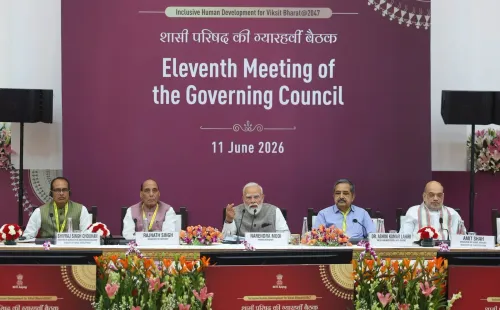
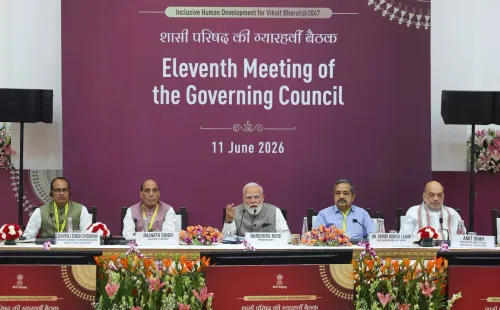
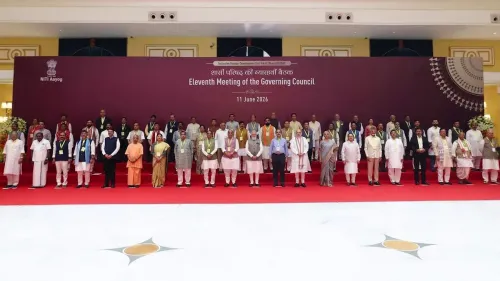
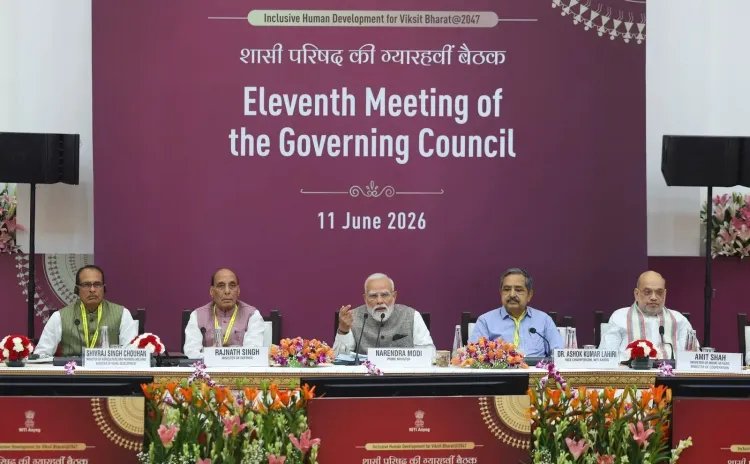
Dharmendra Pradhan attended the 11th Niti Aayog Governing Council meeting on 11 June 2025 , chaired by PM Narendra Modi .
The session focused on strengthening human capital and advancing the Viksit Bharat@2047 vision.
The Education Ministry issued Letters of Approval to the University of Bristol , University of York , and UNSW to establish campuses in India.
Bristol and York will set up campuses in Mumbai ; UNSW will open its campus in Bengaluru .
Pradhan also highlighted 12 years of NDA government farm welfare initiatives including PM-KISAN and Kisan Credit Card .
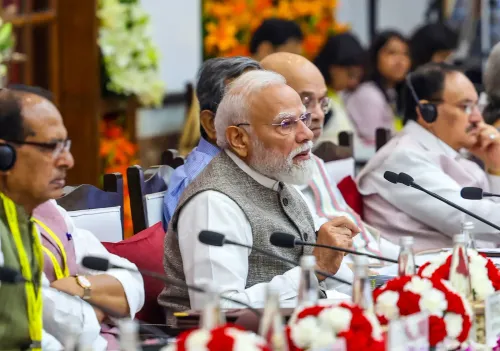
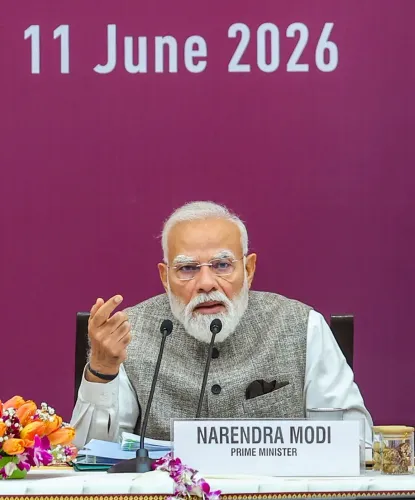
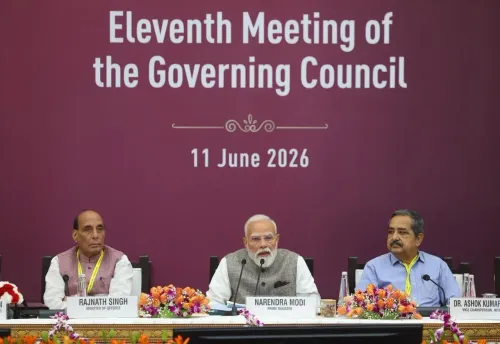
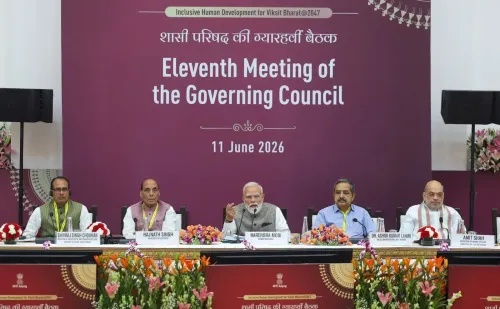
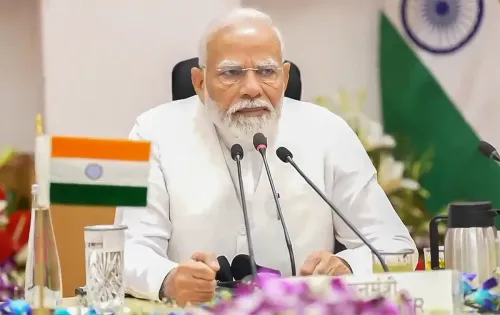
Union Education Minister Dharmendra Pradhan on Thursday, 11 June underscored the centrality of human capital development in India's growth agenda, following his participation in the 11th meeting of the Niti Aayog Governing Council in New Delhi. The session, chaired by Prime Minister Narendra Modi, brought together senior government stakeholders to deliberate on accelerating India's development trajectory toward the Viksit Bharat@2047 vision.
What Was Discussed at the Council Meet
Pradhan described the deliberations as 'insightful', noting that the meeting reinforced a shared commitment to strengthening human capital and deepening India's development momentum. The Governing Council, which includes chief ministers and lieutenant governors, serves as the apex body for cooperative federalism under the Niti Aayog framework. This was its 11th such convening since the body replaced the Planning Commission in 2015.
Farmers' Welfare and the NDA Decade
Separately, Pradhan also marked 12 years of Prime Minister Modi's tenure by highlighting the Bharatiya Janata Party (BJP)-led National Democratic Alliance (NDA) government's record on agricultural welfare. He cited initiatives including PM-KISAN Samman Nidhi, crop insurance schemes, Kisan Credit Card, and modernised agricultural infrastructure as key instruments that have, according to the minister, enabled farmers to become more self-reliant. 'Honouring farmers, ensuring their prosperity, and securing a better future is the topmost priority of the government,' Pradhan said.
Three Foreign Universities Get Green Light for India Campuses
Earlier in the week, the Education Ministry issued Letters of Approval (LoPs) to three globally prominent foreign higher education institutions — the University of Bristol, the University of York, and the University of New South Wales (UNSW) — clearing the way for them to establish campuses in India. Pradhan described the move as a significant step toward realising the internationalisation goals of the National Education Policy (NEP) 2020.
Bristol and York will set up their campuses in Mumbai, while UNSW will locate its India campus in Bengaluru. Pradhan noted that both cities represent two of India's most dynamic knowledge, technology, and innovation ecosystems, making them natural anchors for global academic partnerships and research collaboration.
Why This Matters
The convergence of these developments — a Governing Council focus on human capital, agricultural welfare messaging, and the entry of world-ranked foreign universities — reflects a broader policy thrust to position India as a knowledge economy ahead of its centenary of independence. Notably, the NEP 2020 foreign university framework has been in discussion for years; the issuance of LoPs to Bristol, York, and UNSW marks one of its most concrete implementation steps to date. The choices of Mumbai and Bengaluru signal an intent to integrate global academic institutions into India's existing innovation corridors rather than building greenfield campuses in isolation.
With the Niti Aayog council meeting setting the political tone and the Education Ministry delivering on NEP internationalisation, the coming months will test whether these commitments translate into measurable outcomes on the ground.
Point of View
York, and UNSW is a genuine milestone for NEP 2020's internationalisation agenda, but the harder questions remain unanswered: fee structures, regulatory oversight, and whether these campuses will serve India's mass higher-education needs or cater exclusively to an affluent minority. The Niti Aayog's human capital rhetoric is well-worn; what the council meet did not surface — at least publicly — is any accountability mechanism for India's stubbornly low graduate employability rates. Connecting foreign university entry to skilling outcomes, not just research partnerships, would be the more consequential policy signal.
NationPress
22 Sept 2026
Frequently Asked Questions
What was discussed at the 11th Niti Aayog Governing Council meeting?
The 11th Niti Aayog Governing Council meeting, chaired by Prime Minister Narendra Modi on 11 June 2025, focused on strengthening human capital and accelerating India's development journey toward the Viksit Bharat@2047 goal. Education Minister Dharmendra Pradhan attended and highlighted these deliberations after the session.
Which foreign universities have received approval to open campuses in India?
The University of Bristol, the University of York, and the University of New South Wales (UNSW) have received Letters of Approval from India's Education Ministry. Bristol and York will establish campuses in Mumbai, while UNSW will set up its campus in Bengaluru.
What is the significance of the foreign university campus approvals under NEP 2020?
NEP 2020 opened the door for foreign higher education institutions to operate campuses in India, aiming to improve access to global-quality education domestically. The LoPs issued to Bristol, York, and UNSW represent one of the most concrete implementation steps of this internationalisation policy since NEP 2020 was adopted.
What farm welfare schemes did Dharmendra Pradhan highlight?
Pradhan cited PM-KISAN Samman Nidhi, crop insurance, Kisan Credit Card, and modernised agricultural facilities as key NDA government initiatives over the past 12 years that have, according to the minister, empowered farmers to become more self-reliant.
Why were Mumbai and Bengaluru chosen for the foreign university campuses?
According to Pradhan, Mumbai and Bengaluru were chosen because they represent two of India's most dynamic knowledge, technology, and innovation ecosystems, making them natural locations for integrating global academic institutions into India's existing innovation corridors.