Project Cheetah hits 62: Natural breeding marks historic milestone at Kuno
Synopsis
Project Cheetah has crossed a threshold no one expected this soon: with 43 of India's 62 cheetahs now born on Indian soil — including four new cubs at Kuno — the programme has shifted from translocation exercise to genuine wild population establishment. Seven decades after the cheetah went extinct in India, the fastest land animal is now breeding on Indian territory.
Key Takeaways
India's cheetah population reached 62 on 20 November 2026 , with 43 born on Indian soil.
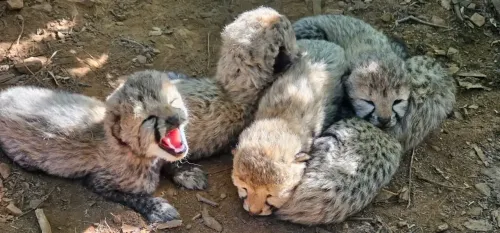
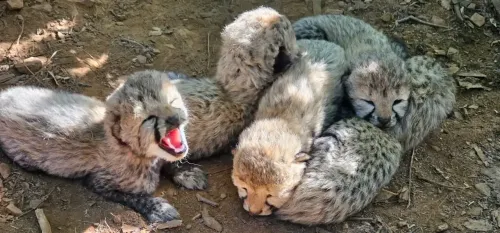
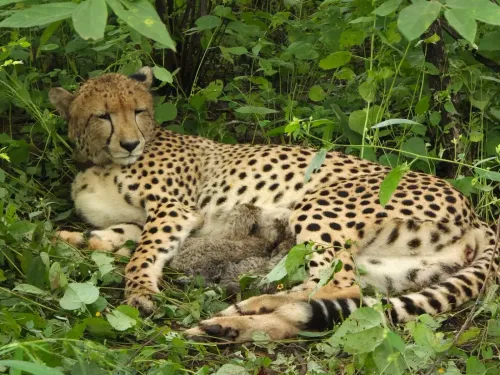
Four new cubs were born at Kuno National Park to female cheetah KOMG 3 , brought from Botswana .
Of the 62 cheetahs, 56 are at Kuno, 4 at Gandhi Sagar Wildlife Sanctuary, and 2 at Nauradehi Wildlife Sanctuary — all in Madhya Pradesh .
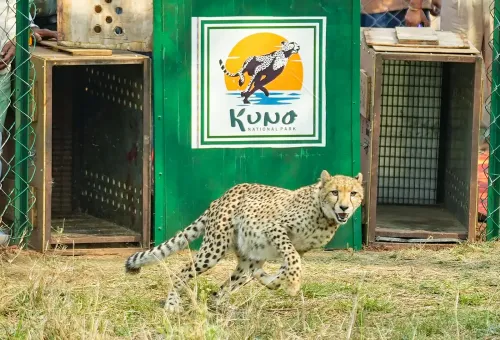
Project Cheetah was launched on 17 September 2022 with 8 Namibian cheetahs ; subsequent batches arrived from South Africa ( February 2023 ) and Botswana ( February 2026 ).
The cheetah was declared extinct in India in 1952 ; natural breeding marks the first successful generational establishment in over 70 years .
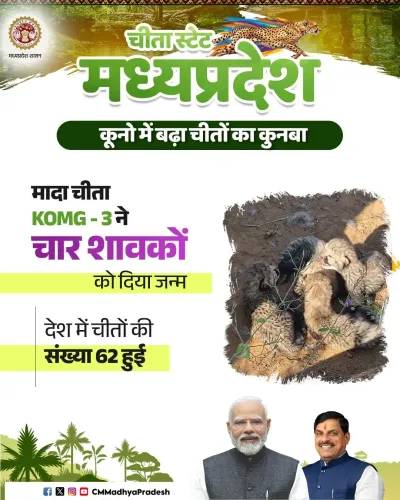
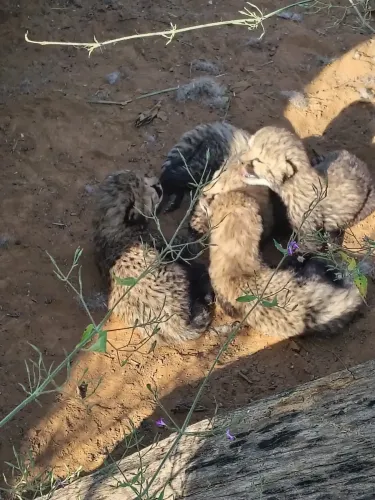
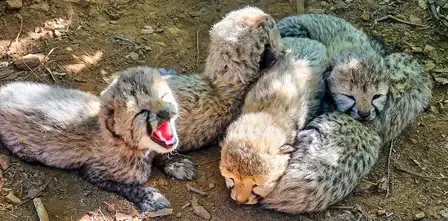
Project Cheetah crossed a landmark milestone on 20 November 2026 as India's total cheetah population reached 62, with 43 of them born on Indian soil, Madhya Pradesh Chief Minister Mohan Yadav announced on Friday. The latest addition came with the birth of four healthy cubs at Kuno National Park in Madhya Pradesh, born to a female cheetah identified as KOMG 3, brought from Botswana.
Four New Cubs at Kuno National Park
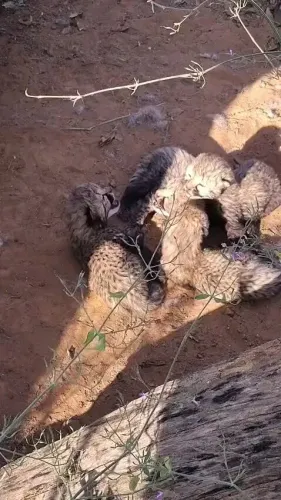
The four cubs were born on Friday in the forests of Kuno National Park to KOMG 3, a Botswana-origin female cheetah. The birth was confirmed through the Chief Minister's Office and was hailed as a continuation of the natural breeding success that has come to define the second phase of Project Cheetah. Successive generations of cheetahs now being born in the wild represent a qualitative shift in the programme — from translocation to genuine population establishment.
Chief Minister Yadav described the development as a historic achievement: 'The growing number of cheetahs and the birth of a new generation on Indian soil are infusing fresh energy into wildlife conservation efforts,' he said. He also congratulated wildlife experts, veterinarians, and forest personnel for their sustained role in the animals' conservation, health, and protection.
Population Distribution Across Three Sites
Of the 62 cheetahs currently in India, 56 are housed at Kuno National Park, 4 at Gandhi Sagar Wildlife Sanctuary, and 2 at Nauradehi Wildlife Sanctuary — both the latter sites also located in Madhya Pradesh. The expansion beyond Kuno, the original reintroduction site, marks a significant step toward building multiple, self-sustaining habitats for the species. Madhya Pradesh has firmly emerged as the principal centre of India's cheetah conservation programme.
Project Cheetah: From Launch to Natural Reproduction
Project Cheetah was formally launched on 17 September 2022, when eight cheetahs from Namibia were released into Kuno National Park under the oversight of Prime Minister Narendra Modi. A second batch of 12 cheetahs arrived from South Africa in February 2023, followed by 9 more from Botswana in February 2026. The programme has now progressed from its initial translocation phase to witnessing natural births — a critical marker of ecological acclimatisation.
Chief Minister Yadav credited Prime Minister Modi's leadership for the programme's trajectory, calling it a reflection of India's broader commitment to wildlife conservation. Notably, the cheetah had been declared extinct in India in 1952, making the natural breeding success after more than seven decades a moment of conservation significance.
What Comes Next for the Programme
With natural reproduction now contributing to the population, wildlife managers face the challenge of ensuring cub survival rates in a semi-wild environment and preventing inbreeding over successive generations. Establishing a truly viable wild population — one that can sustain itself without continued imports — remains the programme's long-term objective. The expansion to three conservation destinations in Madhya Pradesh reduces the risk of a single-site failure undermining the entire population, a lesson drawn from earlier reintroduction programmes globally.
Point of View
But the more significant data point is that 43 were born in India — suggesting ecological acclimatisation is real, not just administrative. The programme's true stress test, however, lies ahead: cub survival rates in a semi-managed environment, genetic diversity across a small founding population, and whether Madhya Pradesh's three sites can eventually sustain themselves without fresh imports. Project Cheetah has cleared its first hurdle; it has several harder ones left.
NationPress
20 Nov 2026
Frequently Asked Questions
How many cheetahs are there in India as of November 2026?
India's cheetah population stands at 62 as of 20 November 2026, according to Madhya Pradesh Chief Minister Mohan Yadav. Of these, 43 were born on Indian soil, marking a significant natural breeding milestone for Project Cheetah.
Where were the latest cheetah cubs born in India?
Four cubs were born on 20 November 2026 at Kuno National Park in Madhya Pradesh to a female cheetah identified as KOMG 3, which was brought from Botswana. Kuno houses 56 of India's 62 cheetahs.
When was Project Cheetah launched and how many cheetahs were brought initially?
Project Cheetah was launched on 17 September 2022, when eight cheetahs from Namibia were released into Kuno National Park. A further 12 arrived from South Africa in February 2023, and nine more from Botswana in February 2026.
Which sites in India currently house cheetahs?
All three cheetah conservation sites are in Madhya Pradesh: Kuno National Park (56 cheetahs), Gandhi Sagar Wildlife Sanctuary (4), and Nauradehi Wildlife Sanctuary (2). The expansion beyond Kuno is aimed at reducing single-site risk and building multiple habitats.
Why is natural breeding significant for Project Cheetah?
Natural breeding indicates that cheetahs are acclimatising to Indian habitats and establishing successive generations, moving the programme beyond mere translocation. The cheetah was declared extinct in India in 1952, so self-sustaining reproduction is the critical long-term goal of the reintroduction effort.