Russia has no plans to attack Europe, says Deputy FM Ryabkov at OSCE
Synopsis
At an OSCE roundtable on Europe's militarisation, Russia's Deputy FM Ryabkov flatly denied any Russian intention to attack European nations — while accusing the West of making conflict seem inevitable and of pushing Ukraine away from peace. The dual messaging: reassurance abroad, blame assignment at home.
Key Takeaways
Russian Deputy FM Sergei Ryabkov said on 10 November 2026 that Russia has no plans to attack any European country in the near, medium, or long term.
Ryabkov warned Moscow would be 'forced to respond' if subjected to aggression.
He accused Western governments of pushing Ukraine to abandon negotiated solutions and choose war instead.
Yulia Zhdanova , head of Russia's Vienna arms-control delegation, called NATO's 'escalation management' concept harmful and reckless.
Ryabkov expressed confidence Europe would eventually engage Russia in dialogue on the basis of equality and indivisible security .
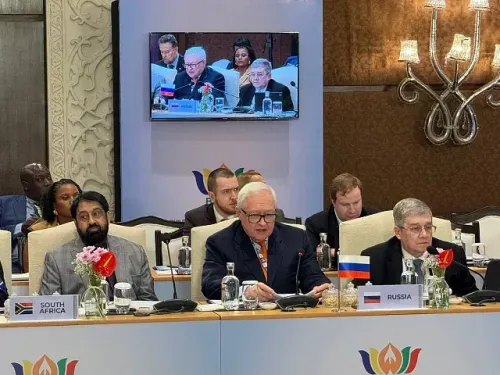
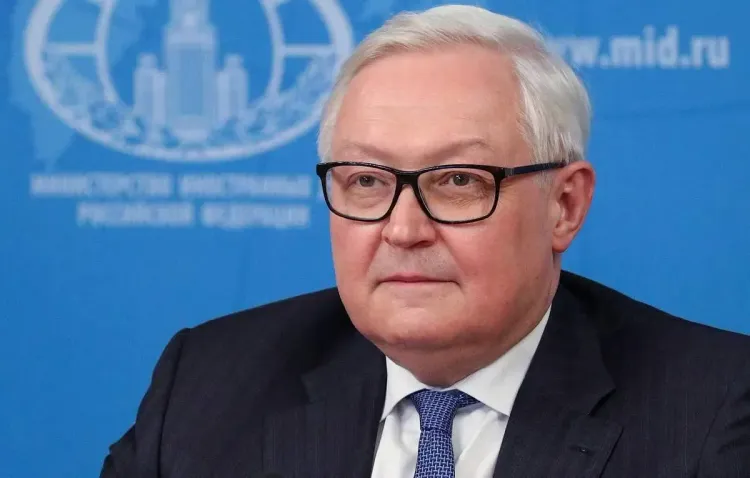
Russian Deputy Foreign Minister Sergei Ryabkov declared on 10 November 2026 that Russia has no intention, plans, or reason to attack any European country, pushing back against what he described as a Western narrative that frames military conflict on the continent as near-inevitable. His remarks were delivered at a roundtable titled 'Militarization of Europe: What Next?', held under the auspices of the Organization for Security and Co-operation in Europe (OSCE).
Ryabkov's Core Assertions
Speaking at the OSCE event, Ryabkov stated that Russia poses no threat to any nation in the near, medium, or long term, according to a release posted on the Russian Ministry of Foreign Affairs website. He added, however, that Moscow would be 'forced to respond' if subjected to aggression — a caveat that frames the pledge as conditional rather than unconditional.
Ryabkov also accused Western governments of pushing Ukraine away from negotiated settlements. He argued the Russia-Ukraine conflict could have been resolved while accounting for the legitimate interests of all parties, but that the West had steered Kyiv toward war instead of reasonable solutions.
Warning on Europe's Security Framing
Ryabkov criticised Western countries for discussing the possibility of a military conflict in Europe as if it were 'almost predetermined and inevitable,' calling the framing irresponsible. He said long-term stability in Europe cannot be achieved without taking into account the interests of Russia and its allies — a position Moscow has consistently advanced throughout the conflict period.
On the future of Russia-Europe relations, he expressed confidence that European countries would 'sooner or later' be willing to engage in dialogue with Russia on the basis of equality, indivisible security, pragmatism, and mutual consideration of interests.
NATO's 'Escalation Management' Concept Under Fire
Yulia Zhdanova, head of the Russian delegation to the Vienna Negotiations on Military Security and Arms Control, also spoke at the same event. She said European governments had offered their populations no vision of the future beyond the notion that a conflict with Russia was inevitable.
Zhdanova described NATO's concept of 'escalation management' as harmful, arguing it was a mistake to believe that an escalation between Russia and NATO could be kept under control. She said the concept effectively encourages both NATO and the European Union to act recklessly and does nothing to reduce military risks.
Context and What It Signals
The statements come amid continued military operations in Ukraine and an intensifying debate across European capitals over defence spending and collective security architecture. Notably, Moscow's public reassurances of non-aggression have been a recurring theme in Russian diplomatic messaging even as the Ukraine war continues to reshape the continent's security calculus.
Russia's engagement at the OSCE platform — a multilateral forum that includes both Russia and Western nations — signals that Moscow retains an interest in diplomatic optics, even as substantive arms-control dialogue between Russia and the West remains largely frozen. How European governments and NATO respond to these overtures will shape the trajectory of the continent's security debate in the months ahead.
Point of View
But it arrives with no new evidence and no specific counterproposal. What is notable is the venue: by speaking at the OSCE, Moscow is investing in the optics of multilateral engagement even as substantive arms-control dialogue with the West remains frozen. European governments are unlikely to take the non-aggression pledge at face value while military operations in Ukraine continue; the real audience for these remarks may be non-Western states watching Europe's security architecture for signs of fracture.
NationPress
10 Nov 2026
Frequently Asked Questions
What did Russia's Deputy FM say about attacking Europe?
Deputy Foreign Minister Sergei Ryabkov said on 10 November 2026 that Russia has no intention, plans, or reason to attack any European country in the near, medium, or long term. He made the remarks at an OSCE roundtable on the militarisation of Europe, though he added that Moscow would be 'forced to respond' if subjected to aggression.
Where did Ryabkov make these comments?
Ryabkov spoke at a roundtable titled 'Militarization of Europe: What Next?', held under the auspices of the Organization for Security and Co-operation in Europe (OSCE). The remarks were also confirmed in a release posted on the Russian Ministry of Foreign Affairs website.
What did Russia say about the Ukraine conflict and Western involvement?
Ryabkov argued that the Russia-Ukraine conflict could have been resolved while accounting for the legitimate interests of all parties, but that Western governments had pushed Ukraine to abandon reasonable solutions and choose war. He also said some European governments had no genuine intention of ending the conflict.
What is Russia's criticism of NATO's 'escalation management' concept?
Yulia Zhdanova, head of Russia's delegation to the Vienna Negotiations on Military Security and Arms Control, called NATO's 'escalation management' concept harmful. She argued it was a mistake to believe such escalation could be kept under control, and that the concept encourages both NATO and the EU to act recklessly.
What does Russia say about the future of its relations with Europe?
Ryabkov said Moscow believes European countries will sooner or later be willing to engage in dialogue with Russia on the basis of equality, indivisible security, pragmatism, and mutual consideration of interests. He also said long-term stability in Europe cannot be achieved without accounting for Russia's interests and those of its allies.