SC gives Centre 6 weeks to frame rail concession policy for acid attack survivors
Synopsis
The Supreme Court has pushed the Centre to act on a long-neglected gap: acid attack survivors have no dedicated railway travel concession despite needing repeated, often urgent, inter-city trips for treatment. With the Railway Board now agreeing in principle and a six-week deadline set, the draft policy could reshape how India's welfare infrastructure treats its most vulnerable crime victims.
Key Takeaways
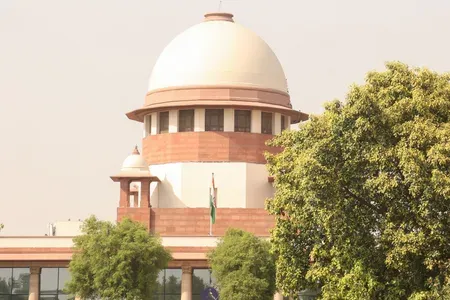
The Supreme Court on 13 August gave the Centre six weeks to submit a draft railway travel concession policy for acid attack survivors .
The Railway Board has agreed in principle to extend concessions under the 'patient category' ; specifics on form and duration are still being finalised.
Petitioner Atijeevan Society flagged that existing concessions are tied to fixed routes and require repeated hospital certificates — a major burden for survivors.
The bench, led by Chief Justice Surya Kant , supported the demand for an emergency ticket quota for survivors needing short-notice travel.
The Centre objected to classifying survivors under the 'disabled category' , citing concerns about distinguishing between disability sub-categories.
The draft policy will be shared with Atijeevan Society before being filed in court to allow the organisation to offer suggestions.
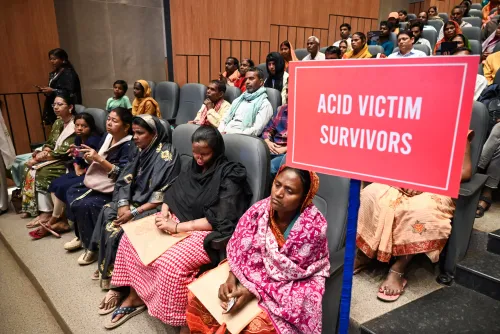
The Supreme Court of India on Thursday, 13 August directed the Centre to place on record a draft policy within six weeks that would grant concessional railway travel to acid attack survivors, after the government signalled its in-principle acceptance of the proposal. The move follows a petition by Atijeevan Society, which argued that existing rail concessions fall critically short for survivors who must travel repeatedly across cities for specialised medical treatment.
What the Government Has Agreed To
Additional Solicitor General Archana Pathak Dave, representing the Centre, informed the apex court that the Railway Board has agreed in principle to extend travel concessions to acid attack survivors under the existing 'patient category'. However, she noted that the specifics — including the form of the concession and its duration — are still being worked out. The Centre also agreed to share the draft policy with Atijeevan Society before filing it in court, allowing the organisation to offer suggestions.
Why Existing Concessions Fall Short
The petitioner pointed out that the current 'patient category' concessions are typically tied to travel between a fixed origin station and a single destination. Acid attack survivors, by contrast, often need to visit multiple cities for treatment at well-equipped hospitals. Additionally, survivors are required to obtain fresh concession certificates from different hospitals each time — a cumbersome process that is particularly burdensome in the critical early months following an attack, when timely treatment is most urgent.
The Emergency Quota Demand
Atijeevan Society also pressed for an emergency ticket quota specifically for acid attack survivors, arguing that the nature of their treatment requires travel at short notice. 'The emergency quota is required because survivors need to travel at short notice. If they don't get these treatments in time, then it becomes a failure,' the petitioner told the bench. The court indicated its support for the suggestion. The Centre said these aspects could be factored into the policy formulation.
The 'Disabled Category' Objection
The government, however, raised objections to classifying acid attack survivors under the 'disabled category' for the purpose of travel concessions. Officials argued that doing so would require the government to draw distinctions between different categories of disabled persons — a legal and administrative complication it wishes to avoid. The issue is expected to be addressed in the draft policy.
Bench and Next Steps
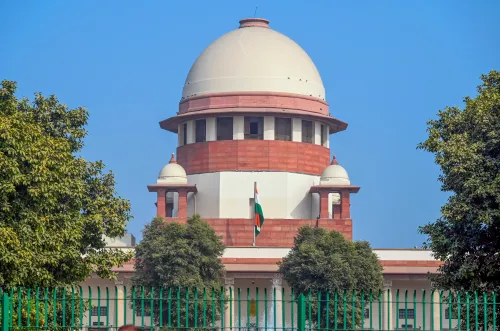
A bench headed by Chief Justice of India Surya Kant, and comprising Justice Joymalya Bagchi and Justice V. Mohana, directed the Centre to submit the draft within six weeks. Once filed, Atijeevan Society will have the opportunity to respond with recommendations before the court takes a final view. The order marks a meaningful step toward addressing a long-standing gap in support infrastructure for acid attack survivors in India.
Point of View
Multi-city, often emergency travel. The Centre's reluctance to use the 'disabled category' has administrative logic, but it must not become an excuse for delay. The six-week deadline is tight; whether the government produces a genuinely workable policy or a hedged draft that kicks the problem further down the road will be the real test of intent.
NationPress
27 Sept 2026
Frequently Asked Questions
What did the Supreme Court order regarding acid attack survivors and railway travel?
The Supreme Court directed the Centre to submit a draft policy within six weeks that would grant concessional railway travel to acid attack survivors. The order came after the Railway Board agreed in principle to extend concessions under the 'patient category'.
Why are existing railway concessions inadequate for acid attack survivors?
Current 'patient category' concessions are linked to travel between a fixed station and a single destination. Acid attack survivors often need to travel to multiple cities for treatment and must obtain fresh concession certificates each time, making the process cumbersome — especially in the critical early months after an attack.
What is the emergency ticket quota demanded by Atijeevan Society?
Atijeevan Society has asked for a reserved emergency ticket quota for acid attack survivors, arguing they frequently need to travel at short notice for treatment. The Supreme Court bench indicated support for the demand, and the Centre said it could be considered during policy formulation.
Why did the Centre object to the 'disabled category' classification?
The government said classifying acid attack survivors under the 'disabled category' would require it to differentiate between sub-categories of disabled persons, creating legal and administrative complications it prefers to avoid.
Who filed the petition and what happens next?
The petition was filed by Atijeevan Society. The Centre will share the draft policy with the organisation before filing it in court, giving Atijeevan Society an opportunity to offer suggestions. The Supreme Court will then take a final view on the policy.