Internet access a fundamental right for children, SC rules in CSEAM judgment
Synopsis
In a landmark ruling on child rights and online safety, the Supreme Court has declared internet access a fundamental right for children — not a privilege to be taken away in the name of protection. The bench's core argument: restricting children from the internet mistakes the victim for the problem, and drives them to darker, unregulated corners of the web.
Key Takeaways
The Supreme Court on 17 October 2026 ruled internet access is a fundamental right for all, including children, under Articles 21 and 19(1)(a) .
A bench of Justices J.B.
Vinod Chandran held that restrictions on children must target harmful CSEAM content and its distributors, not children themselves.
The court rejected blanket internet bans for children as unproven in effectiveness and potentially counterproductive, noting children move to unregulated platforms when blocked.
It proposed a 'child mode' for social media, private accounts by default, and restrictions on messages from unknown adults as proportionate safeguards.
The NCERT and SCERTs were directed to develop a digital safety and age-appropriate sex education curriculum in consultation with child psychologists and educators.
Social media intermediaries were directed to ensure no CSEAM is available through paywalls or subscriptions on their platforms.
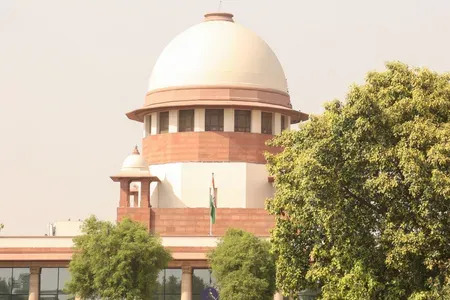
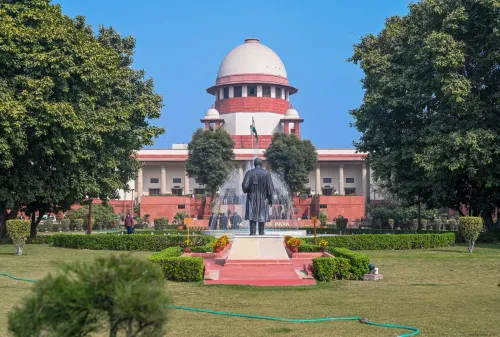
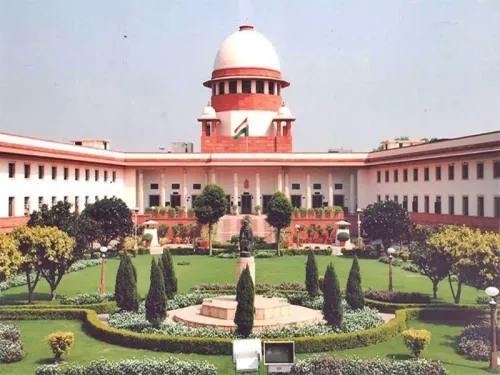
The Supreme Court of India on Saturday, 17 October 2026, ruled that the right to access and use the internet is a fundamental right of every individual under Article 21 read with Article 19(1)(a) of the Constitution — including children, irrespective of age. The bench held that measures to protect children from online sexual exploitation must target harmful content and those responsible for its spread, not restrict children's internet access.
What the Court Ruled
A bench of Justices J.B. Pardiwala and K. Vinod Chandran delivered the judgment while hearing an application by the Just Rights for Children Alliance (JRCA), which sought effective implementation of the apex court's earlier ruling of 23 September 2024 in Just Rights for Children Alliance vs S. Harish. That case had examined the obligations of social media intermediaries to report suspected offences involving Child Sexual Exploitation and Abuse Material (CSEAM).
The court stated: 'We have no hesitation in saying that the right to access and use the internet is a fundamental right of every individual under Article 21 read with Article 19(1)(a) of the Constitution. Our children, irrespective of their age enjoy the same rights.'
The bench added that denying children internet access altogether would be 'as absurd as suggesting that children below a certain age did not have a conscience worth protecting or freedom of speech worth expressing.'
Rejecting Blanket Restrictions
The Justice Pardiwala-led bench flatly rejected blanket restrictions on children's internet access as an answer to online abuse, noting their effectiveness remained unproven. Crucially, the court observed that children did not stop using the internet merely because the law prohibited them — they continued to access it without parental or official knowledge, often migrating to unregulated and even more unsafe platforms.
The court warned that such restrictions could discourage children facing online enticement or threats from reporting incidents to parents or guardians, 'for fear of being reprimanded for using the internet.' It said: 'To keep the child away from the internet on account of such failures would be to mistake the victim for the problem.'
The bench further cautioned that punitive restrictions could 'significantly undermine the safety of our children' and defeat the object of the Protection of Children from Sexual Offences (POCSO) Act.
Safeguards the Court Endorsed
While rejecting blanket bans, the Supreme Court clarified that age-appropriate safeguards remained necessary. It proposed a framework emphasising parental consent, oversight, and a dedicated 'child mode' for social media accounts — particularly for pre-teens. Suggested measures include making accounts private by default, restricting messages from unknown adults, and moderating advertisements and content accessible to minors. The court left the specific modalities to the Union government.
The court also made clear that nothing in its observations would prevent the government from restricting children's access to categories of content inherently harmful to them, such as adult-content websites.
Obligations on Platforms and the Centre
On intermediaries, the Supreme Court directed that platforms must ensure no CSEAM or material likely to harm children is offered, hosted, uploaded, promoted, or circulated through paywalls or subscriptions. It urged the Centre to frame guidelines for scrutiny of such content and proportionate regulatory measures.
The judgment also called for digital safety and age-appropriate sex education to be incorporated into the core school curriculum, with the National Council of Educational Research and Training (NCERT) and State Councils of Educational Research and Training (SCERTs) tasked with developing it in consultation with child psychologists, educators, and parenting experts.
Digital Literacy and Reporting Culture
The bench stressed that children must be taught — from the primary stage — about their bodies, safe and unsafe touch, consent, healthy relationships, and safe internet use. Children must also learn to protect their personal data, recognise signs of enticement and sexual extortion, and know whom to approach when faced with inappropriate conduct.
The court emphasised: 'Above all, children must be encouraged to come forward without fear and report such incidents. They must be assured that speaking up on these matters will never be met with any reproach, and they will be given all the help and support with complete confidentiality.'
Teachers and school staff, it noted, must be trained to identify grooming, abuse and online harassment, respond appropriately to disclosures, and comply with their mandatory reporting duties under POCSO. The ruling sets up a clear legislative and administrative agenda for the Centre and states to act on.
Point of View
The bench elevates digital rights to the same constitutional plane as physical liberty, which has significant downstream implications for how the Centre can regulate platform access for minors. The 'child mode' framework the court sketches is sound in principle, but the burden now falls on an executive that has repeatedly deferred a comprehensive data-protection and child-safety architecture. Notably, the ruling also implicitly indicts social media intermediaries, who have long used legal grey areas to escape CSEAM-reporting obligations. Whether the Centre translates this into binding guidelines — or lets it remain judicial guidance without teeth — will determine whether this landmark ruling changes anything on the ground.
NationPress
17 Oct 2026
Frequently Asked Questions
What did the Supreme Court rule about children's internet access?
The Supreme Court ruled on 17 October 2026 that internet access is a fundamental right for every individual, including children of all ages, under Article 21 read with Article 19(1)(a) of the Constitution. The bench held that protection measures must target harmful content and its distributors, not restrict children from the internet.
What is CSEAM and why was this case before the Supreme Court?
CSEAM stands for Child Sexual Exploitation and Abuse Material — digital content depicting the sexual abuse or exploitation of children. The case arose from an application by the Just Rights for Children Alliance (JRCA) seeking implementation of the Supreme Court's earlier September 2024 ruling on the obligations of social media intermediaries to report suspected CSEAM offences.
Why did the court reject blanket internet bans for children?
The court found that such restrictions were unproven in effectiveness and could push children toward unregulated, more dangerous platforms outside parental or regulatory oversight. It also warned that blanket bans could discourage children facing online threats from reporting incidents to adults, thereby undermining the very object of the POCSO Act.
What safeguards did the Supreme Court recommend instead?
The court recommended a framework based on parental consent and oversight, a dedicated 'child mode' for social media accounts (especially for pre-teens), private accounts by default, restrictions on messages from unknown adults, and moderation of advertisements and content accessible to minors. It left specific modalities to the Union government.
What are the responsibilities of schools and the government under this ruling?
The court directed the NCERT and SCERTs to develop a digital safety and age-appropriate sex education curriculum. Teachers must be trained to identify grooming and online harassment and fulfil POCSO reporting obligations. The Centre was urged to frame guidelines for CSEAM scrutiny on platforms and proportionate content-regulation measures for children.