US Congressman Subramanyam slams Iran deal, cites unresolved nuclear and terror concerns
Synopsis
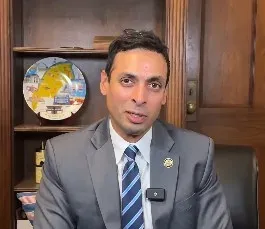
Indian American Congressman Suhas Subramanyam isn't buying the Trump administration's Iran deal as a win — calling it a step back from the 2015 nuclear framework, a failure on terrorism and nuclear curtailment, and a deal that has inadvertently handed Tehran greater regional leverage. His remarks add Democratic firepower to a growing bipartisan unease about what the agreement actually delivers.
Key Takeaways
Congressman Suhas Subramanyam criticised the Trump administration's Iran deal on 17 June , calling it weaker than the 2015 JCPOA .
He argued the deal 'does nothing' to curtail Iran's nuclear programme or its alleged support for terrorism.
Subramanyam warned the conflict has given Iran greater regional leverage , not less.
He cautioned that trade normalisation through the Strait of Hormuz will take considerable time despite administration claims.
The Congressman also raised concerns about rising discrimination against Indian Americans , citing personal social media harassment.
He called out inflammatory rhetoric from both the far right and the far left as harmful to national cohesion.
Indian American Congressman Suhas Subramanyam has publicly challenged the Trump administration's Iran agreement, arguing that the deal fails to address Washington's core security concerns — including Iran's nuclear programme and its alleged support for terrorism — while warning of long-term damage to US diplomatic standing. The Democratic lawmaker made the remarks on 17 June, adding that divisive political rhetoric is simultaneously fuelling discrimination against minority communities at home.
Key Concerns Over the Iran Deal
Subramanyam acknowledged a limited upside to the agreement. "This Iran deal, yes, it means less bombs, which is one good thing," he said. However, he argued the deal represents a regression from earlier frameworks. "It seems like the Iran deal is a step back from what we had even in 2015 when we had a real nuclear deal in place with very measurable returns," he said, referring to the Joint Comprehensive Plan of Action (JCPOA) signed during the Obama era.
He was direct about his doubts regarding the current administration's negotiating capacity. "I don't have a lot of faith in this administration to negotiate," he said. On Iran's regional position, Subramanyam contended that the recent conflict had paradoxically strengthened Tehran. "All that's happened with this war is it has given Iran more of leverage over the region and over the world," he said.
Nuclear Programme and Terrorism Left Unaddressed
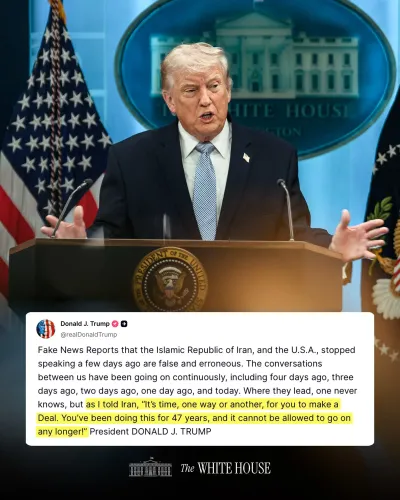
The Congressman was categorical about what he sees as the deal's central failure. "This does nothing when it comes to Iran's support of terrorism," he said. "It does nothing to curtail Iran's nuclear program, which is the whole point of the war." These two issues — Iran's nuclear ambitions and its backing of regional militant groups — have long been cited by US policymakers across party lines as the primary justifications for pressure on Tehran.
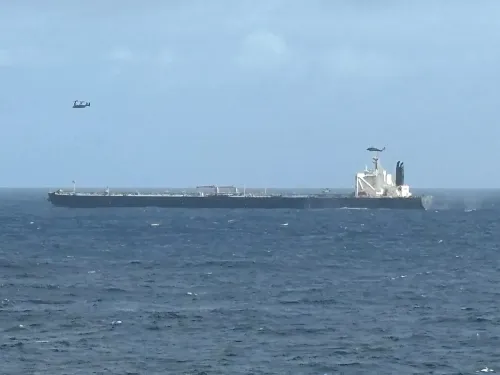
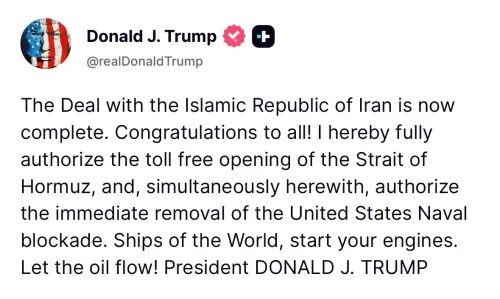
The Trump administration has presented the agreement as a breakthrough capable of easing Gulf tensions and restoring commercial shipping through the Strait of Hormuz, a critical global energy corridor. Subramanyam, however, cautioned that normalisation would be slow. "A lot of ships have concerns about going through there. So it's gonna take a long time to normalize trade through the Strait of Hormuz," he said.
US Diplomatic Standing Under Strain
Subramanyam warned that the broader consequences of the conflict extend well beyond the Middle East. "This war has undermined this administration's diplomatic efforts and also their ability to follow through on kinetic threats," he said. While stopping short of declaring a structural decline, he added: "This administration is weakening the US standing in the world and its standing diplomatically, and that's gonna have long term repercussions."
This comes amid broader international debate about whether American influence in the Middle East has eroded following successive military and diplomatic engagements in the region over the past two decades. Notably, critics across the political spectrum have raised similar questions about Washington's ability to translate military action into lasting strategic gains.
Discrimination Against Indian Americans
Subramanyam also raised concerns about a rising tide of hostility directed at Indian Americans and other minority communities in the United States. "We wanna make sure we call out hate in all forms, including against the Indian American community," he said. He described encountering such incidents directly on his own social media. "People will respond, saying to go back where I came from. They'll say that I'm not a real American," he said.
The lawmaker called on public officials and community leaders to speak out. "We can't stay silent when that thing happens. We can't stay silent when there's things like a flag burning that happens. We have to call it out where we see it," he said. On the role of political rhetoric in deepening divisions, Subramanyam drew no partisan distinction: "There's rhetoric coming from the far right and there's rhetoric coming from the far left, and none of it is helpful."
As the Iran agreement faces scrutiny on Capitol Hill, Subramanyam's remarks signal that Democratic opposition will centre not just on what the deal includes, but on what it conspicuously leaves out.
Point of View
By the Congressman's reading, leaves the two issues that justified the conflict — Iran's nuclear programme and its terror financing — entirely intact. The comparison to the 2015 JCPOA is pointed; that agreement, which the Trump administration itself exited in 2018, at least had verifiable inspection mechanisms. If the current deal offers less measurability while granting Iran greater regional leverage, as Subramanyam argues, the administration faces a difficult question about what exactly was achieved. The Strait of Hormuz framing — a commercial win — may prove to be the deal's only defensible deliverable, and even that, he suggests, will take time to materialise.
NationPress
15 Sept 2026
Frequently Asked Questions
What did Congressman Suhas Subramanyam say about the Trump administration's Iran deal?
Subramanyam said the Iran deal fails to address Iran's nuclear programme or its support for terrorism, calling it a step back from the 2015 nuclear agreement. He expressed low confidence in the administration's negotiating approach and warned of long-term damage to US diplomatic standing.
How does the current Iran deal compare to the 2015 nuclear agreement?
According to Subramanyam, the current deal is weaker than the 2015 Joint Comprehensive Plan of Action (JCPOA), which he described as having 'very measurable returns.' The 2015 agreement included detailed inspection and verification mechanisms that the current deal reportedly does not replicate.
What did Subramanyam say about the Strait of Hormuz and trade?
Subramanyam cautioned that shipping companies and traders are unlikely to resume normal operations through the Strait of Hormuz quickly, despite the Trump administration's claims of restored access. 'It's gonna take a long time to normalize trade,' he said.
Why did Subramanyam raise concerns about Indian Americans?
Subramanyam said discrimination against Indian Americans and other minorities is rising, with incidents visible on social media. He described personally receiving messages telling him to 'go back' to where he came from, and called on public officials to speak out against such hostility.
What did Subramanyam say about political rhetoric and divisions in the US?
Subramanyam said inflammatory rhetoric from both the far right and the far left is harmful and contributes to growing divisions. He called on leaders across the political spectrum to call out hate and divisive language whenever they encounter it.