Are China's Infrastructure Loans a Threat to Sovereignty?
Synopsis
As China continues to expand its influence through infrastructure loans, concerns grow regarding the sovereignty of recipient nations. Are these loans a strategic 'debt trap' or a vital financial lifeline for developing countries? Dive into the debate surrounding this contentious issue.
Key Takeaways
Chinese infrastructure loans may impact recipient nations' sovereignty .
The debate over a potential debt trap continues.
Critics cite examples like the Hambantota port lease.
Supporters argue these loans are necessary for development.
China claims that debt crises often stem from internal issues.
New Delhi, Feb 3 (NationPress) A report reveals that the Chinese infrastructure loans may significantly affect the sovereignty of recipient nations due to the high debt levels and unclear loan terms. The Modern Diplomacy report indicates that these loans create substantial hurdles for countries wishing to progress without losing their autonomy.
It remains a debatable issue whether the Chinese loans are part of a calculated “debt trap.” Critics from the West argue that China extends excessive loans with unclear agreements to financially precarious nations, leading them towards default, which allows China to leverage economic or political advantages.
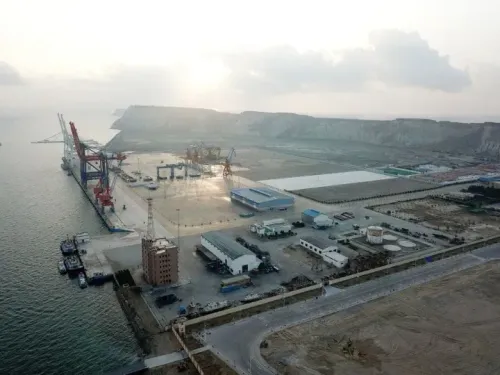
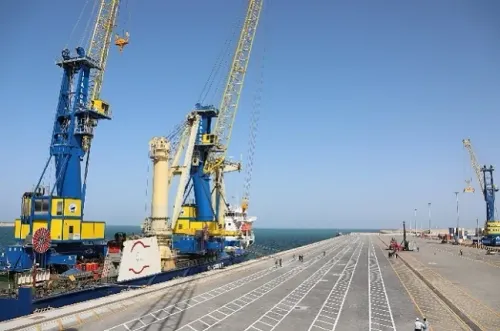
The report highlights the example of Sri Lanka’s Hambantota port, leased to a Chinese state-owned entity after Colombo faced repayment challenges, as a focal point of Western concerns regarding China’s acquisition of strategic assets through long-term leases.
On the other hand, proponents of China's lending practices dismiss the “debt trap” theory as a narrative trap or a Western ploy aiming to undermine Chinese collaborations. They argue that Chinese banks offer financial support for projects that many developing nations cannot obtain from conventional Western financial bodies like the World Bank or the International Monetary Fund.
The report notes, “Research shows that Chinese development banks have never confiscated assets from distressed nations but have been open to renegotiating loan conditions. Additionally, the financial challenges often arise from a mix of internal mismanagement and global market fluctuations, not solely due to China,” it stated.
China asserts that large loan projects are initiated at the request of the borrowers, and the debt crises often result from the internal dynamics of each nation. Beijing points out that multilateral financial institutions and Western creditors hold a significant portion of developing countries' debt, which contributes to repayment pressures.
aar/pk
Point of View
It is vital to approach the discussion around Chinese infrastructure loans with an unbiased perspective. While concerns about sovereignty and debt traps are valid, we must also recognize the significance of these loans in supporting development in many nations. It is crucial to evaluate both sides of the argument to foster an informed dialogue.
NationPress
6 Oct 2026
Frequently Asked Questions
What are Chinese infrastructure loans?
Chinese infrastructure loans are financial agreements provided by Chinese entities to developing countries for the purpose of funding infrastructure projects such as roads, ports, and energy facilities.
How can these loans affect a country's sovereignty?
High debt levels and unclear terms associated with these loans can lead to reduced control over national assets and decision-making, raising concerns about potential loss of sovereignty.
Is the 'debt trap' theory valid?
The validity of the 'debt trap' theory is debated, with critics suggesting it is a strategic maneuver by China, while supporters argue that these loans are necessary for development.
What examples highlight the concerns regarding these loans?
The lease of Sri Lanka's Hambantota port to a Chinese firm after repayment difficulties is frequently cited as a significant example of potential sovereignty loss.
What do supporters of Chinese loans argue?
Supporters claim that Chinese loans provide essential financing for projects that developing countries struggle to secure from traditional Western financial institutions.