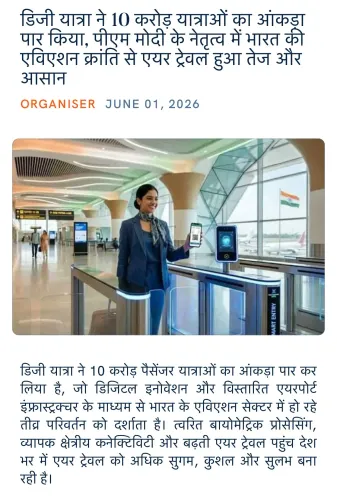
Digi Yatra crosses 10 crore journeys at 38 airports, 2.4 crore downloads
Synopsis
India's Digi Yatra has quietly become one of the world's largest operational biometric aviation systems — 10 crore journeys, 38 airports, and entry times slashed from 15 seconds to 5. With 27 more airports coming next year and three new greenfields going fully paperless from day one, this is no longer a pilot — it is the new baseline for Indian air travel.
Key Takeaways
Digi Yatra has enabled over 10 crore journeys across 38 airports in India as of 30 May 2025 .
The app has been downloaded more than 2.4 crore times on iOS and Android .
Average airport entry processing time has been cut from 15 seconds to 5 seconds per passenger.
27 more airports will be added to the platform next year; greenfield airports Navi Mumbai , Jewar , and Bhogapuram will be fully enabled on launch.
Daily domestic passenger traffic has crossed 5 lakh on multiple occasions, up from below 2 lakh in 2014 .
Annual air traffic is projected to reach 50 crore by 2030 and 100 crore by 2040 .
The Digi Yatra platform has facilitated over 10 crore seamless, paperless journeys across 38 airports in India, with the app recording more than 2.4 crore downloads on both iOS and Android, the Civil Aviation Ministry announced on 30 May 2025. The milestone marks a significant leap for India's biometric-based air travel ecosystem, which has cut average airport entry processing time from 15 seconds to just 5 seconds per passenger.
Scale and Reach
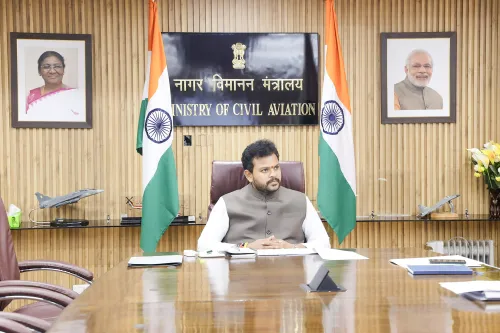
Civil Aviation Minister Ram Mohan Naidu congratulated the Digi Yatra team on reaching the 10-crore usage milestone, calling it a reflection of growing passenger trust in contactless, paperless travel. The platform currently supports 11 languages, with plans to add 11 more regional languages by the end of this year.
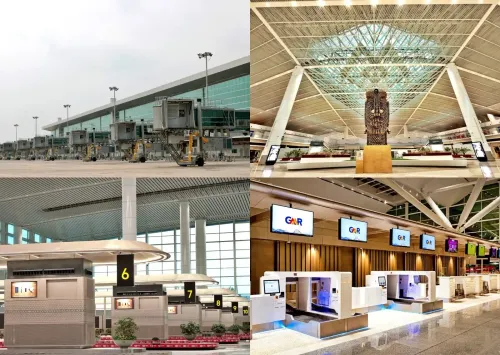
Expansion is also on the horizon: 27 additional airports are slated to go live on the platform by next year, taking the total to 65 airports. Notably, three major greenfield airports set to become operational this year — Navi Mumbai, Jewar, and Bhogapuram — will all be fully Digi Yatra-enabled from day one.
Impact on Airport Operations
The faster throughput has materially optimised terminal infrastructure, reducing congestion and cutting manual processing overheads across participating airports. By eliminating physical boarding passes, the system is also saving thousands of sheets of paper daily — a tangible environmental dividend that the ministry highlighted as central to the platform's design philosophy.
The Civil Aviation Ministry described Digi Yatra as 'one of the most successful digital innovations in global aviation today,' noting that while many nations are still evaluating large-scale biometric passenger processing, India has already operationalised and scaled the system within a short timeframe.
The Traffic Context
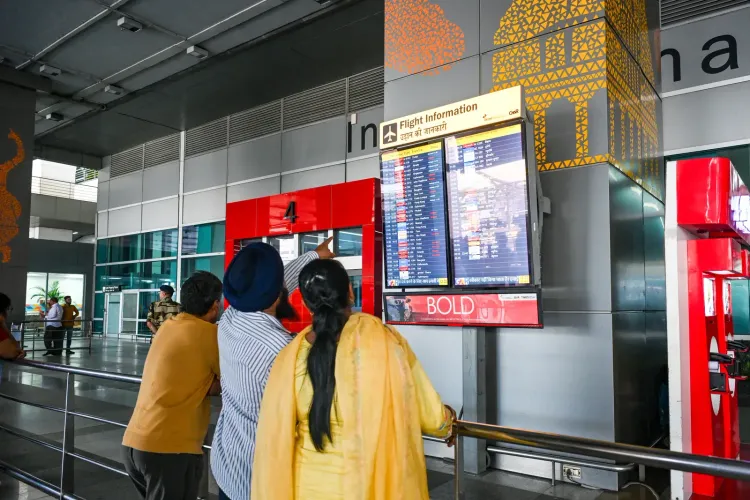
Minister Naidu underscored the urgency behind rapid digital adoption. Daily domestic passenger traffic, which averaged below 2 lakh passengers in 2014, has crossed the 5-lakh mark on multiple occasions over the last three years — more than a 2.5x increase. Annual passenger traffic across Indian airports is projected to reach 50 crore by 2030 and nearly double to 100 crore by 2040, according to the minister.
'It reflects the growing trust passengers are placing in seamless, paperless and contactless travel. The scale of Digi Yatra's adoption comes at a critical juncture,' Naidu said.
Broader Digital Aviation Push
Digi Yatra is part of a wider suite of technology interventions backed by Prime Minister Narendra Modi's vision to make air travel more accessible and efficient. The ministry listed several parallel initiatives: a Self-Baggage Drop Facility, augmentation of Air Traffic Control Automation Systems, the AirSewa portal for grievance redressal, and AI-powered digital twins to optimise airport operations.
Together, these tools are intended to equip Indian aviation infrastructure for the exponential passenger growth projected over the next two decades. How quickly the remaining airports are brought on board — and whether the platform's performance holds at greater scale — will be the next test for this initiative.
Point of View
But the harder question is whether Digi Yatra's infrastructure can hold as traffic doubles toward the 2030 target. The shift from 15 seconds to 5 seconds per passenger sounds incremental — at 5-lakh daily travellers, it is the difference between manageable queues and terminal gridlock. What the ministry has not yet detailed is the platform's uptime record, grievance resolution rate, or data privacy audit outcomes — all of which matter as biometric databases scale. India is ahead of most democracies on operational deployment, but ahead is not the same as accountable.
NationPress
26 Sept 2026
Frequently Asked Questions
What is Digi Yatra and how does it work?
Digi Yatra is India's biometric-based, paperless air travel platform that allows passengers to pass through airport entry and boarding gates using facial recognition, eliminating the need for physical boarding passes. It is currently active at 38 airports and has facilitated over 10 crore journeys since its rollout.
How many airports will Digi Yatra cover in the future?
Digi Yatra is currently operational at 38 airports, with 27 more set to be added by next year, taking the total to 65. Three upcoming greenfield airports — Navi Mumbai, Jewar, and Bhogapuram — will be fully Digi Yatra-enabled from the day they open.
How has Digi Yatra improved airport processing times?
The platform has reduced average airport entry processing time from 15 seconds to just 5 seconds per passenger, significantly cutting terminal congestion and manual processing overheads across participating airports.
What languages does Digi Yatra support?
Digi Yatra currently supports 11 languages, with the Civil Aviation Ministry planning to add 11 more regional languages by the end of 2025, broadening accessibility for passengers across India.
What is the projected growth of Indian aviation that makes Digi Yatra critical?
Daily domestic passenger traffic has already crossed 5 lakh on multiple occasions, up from below 2 lakh in 2014. Annual passenger traffic at Indian airports is projected to reach 50 crore by 2030 and nearly 100 crore by 2040, making scalable digital infrastructure like Digi Yatra essential.