ECMS gets 12 new projects worth ₹7,500 crore to boost electronics components
Synopsis
The Centre has cleared 12 new projects worth over ₹7,500 crore under ECMS — and on the same day launched the Semicon 2.0 portal. The approvals extend beyond components to materials and capital goods, marking a deliberate move up the electronics value chain as India chases a $500 billion production target by 2030.
Key Takeaways
The Centre approved 12 new ECMS applications with proposed investments exceeding ₹7,500 crore on 6 November 2026 .
Approvals cover electronic components, materials, and capital goods — widening the scheme's scope across the value chain.
The Semicon 2.0 web application portal was also launched on the same day under the Semicon India Programme .
India's electronics production grew from ₹1.9 lakh crore (2014–15) to ₹13.11 lakh crore (2025–26) ; exports rose from ₹38,000 crore to ₹4.24 lakh crore .
India targets a $500 billion domestic electronics ecosystem and $150 billion in exports by 2030 .
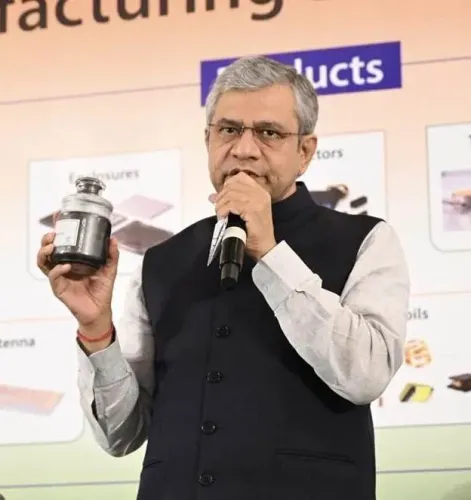
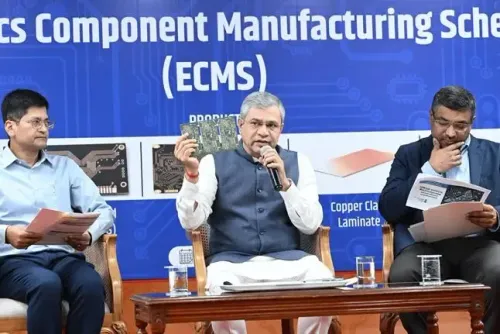
The Centre has approved 12 new applications with proposed investments exceeding ₹7,500 crore under the Electronics Components Manufacturing Scheme (ECMS), IT Secretary S Krishnan announced on Friday, 6 November 2026. The approvals are aimed at deepening India's domestic electronics component ecosystem and reducing dependence on imported inputs across the supply chain.
What the New Approvals Cover
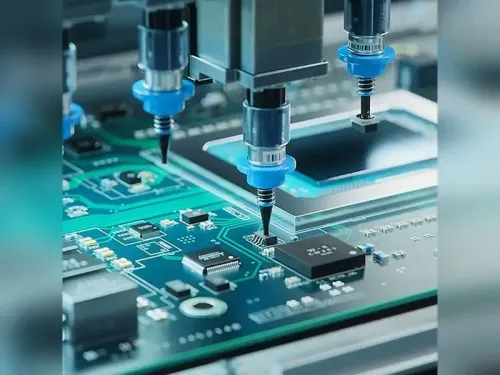
The latest round of clearances goes beyond electronic components alone, extending to materials and capital goods — broadening the ECMS's reach across key segments of the electronics value chain. This structural widening reflects the government's intent to strengthen upstream segments, including raw materials and manufacturing equipment, alongside finished component production.
Notably, this marks a deliberate shift from incentivising assembly-level output to building indigenous capacity at earlier stages of the production chain — a move that analysts have long argued is essential for genuine self-reliance in electronics.
Semicon 2.0 Portal Also Launched
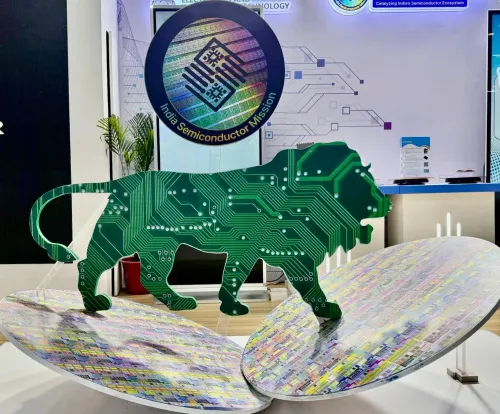
Separately, the government on the same day launched the Semicon 2.0 web application portal under the Semicon India Programme, signalling continued momentum in the semiconductor and electronics policy pipeline. The dual announcement on a single day underscores the Centre's accelerating push to position India as a credible global electronics manufacturing destination.
India's Electronics Growth Trajectory
According to an official factsheet released on 17 September, India's electronics production surged from ₹1.9 lakh crore in 2014–15 to ₹13.11 lakh crore in 2025–26. Exports over the same period climbed from roughly ₹38,000 crore to ₹4.24 lakh crore — a more than tenfold increase in export value over a decade.
'This sustained growth has established a strong foundation for India's electronics manufacturing ambitions. The next priority is to deepen this ecosystem through domestic component manufacturing, higher value addition and stronger supply-chain resilience,' the official statement noted.
The Bigger Strategic Picture
The ECMS operates within India's broader ambition to build a $500 billion domestic electronics manufacturing ecosystem and achieve $150 billion in electronics exports by 2030, according to the government's own targets. Electronics have become foundational to sectors ranging from healthcare and telecom to transport and industrial systems, making domestic supply-chain depth a question of economic security as much as industrial policy.
With 12 more projects now cleared and the Semicon 2.0 portal live, the government's next challenge will be translating approved investments into operational capacity within commercially viable timelines.
Point of View
But the scheme's real test lies in execution speed and domestic absorption. India has a consistent pattern of approving investments that take years to translate into operational capacity — and the component deficit is precisely where that lag hurts most. Extending ECMS to materials and capital goods is the right structural instinct, but without hard commissioning timelines and import-substitution benchmarks, the ₹7,500 crore headline risks becoming another line in a long list of announced-but-delayed industrial commitments. The simultaneous launch of Semicon 2.0 suggests intent, but intent and installed capacity are very different metrics.
NationPress
6 Nov 2026
Frequently Asked Questions
What is the Electronics Components Manufacturing Scheme (ECMS)?
The ECMS is a government scheme designed to incentivise domestic production of electronic components, materials, and capital goods in India, with the goal of reducing import dependence and deepening the local electronics supply chain. It forms part of India's wider strategy to become a global electronics manufacturing hub.
How many projects were approved under ECMS in this latest round?
The Centre approved 12 new applications under the ECMS on 6 November 2026, with combined proposed investments exceeding ₹7,500 crore. The approvals span electronic components, materials, and capital goods.
What is the Semicon 2.0 portal launched alongside the ECMS approvals?
The Semicon 2.0 web application portal was launched under the Semicon India Programme on 6 November 2026 to streamline applications and information access related to India's semiconductor and electronics manufacturing initiatives.
How has India's electronics production grown over the past decade?
According to an official factsheet, India's electronics production grew from ₹1.9 lakh crore in 2014–15 to ₹13.11 lakh crore in 2025–26, while exports climbed from about ₹38,000 crore to ₹4.24 lakh crore over the same period — a more than tenfold rise in export value.
What is India's electronics manufacturing target for 2030?
India is targeting a $500 billion domestic electronics manufacturing ecosystem and $150 billion in electronics exports by 2030, according to government targets cited in an official factsheet released on 17 September.