IN-SPACe picks 3 space startups for Technology Adoption Fund
Synopsis
India's space regulator IN-SPACe has named its first three TAF-funded startups — backing an 800 kN rocket engine, an AI earth observation platform called Dhaarini, and a precision star tracker system. It is the first concrete deployment of the Technology Adoption Fund, signalling a shift from policy to cheques in India's commercial space push.
Key Takeaways
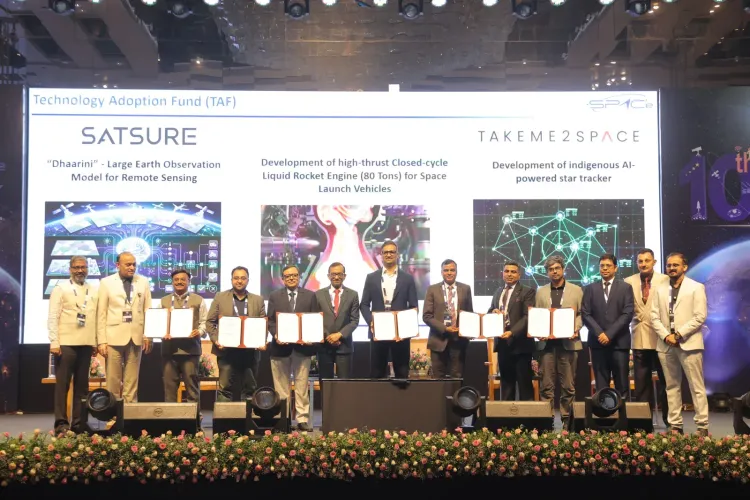
IN-SPACe selected Astrobase Space Technologies , SatSure Analytics India , and TM2SPACE Technologies as the first NGEs funded under the Technology Adoption Fund (TAF) .
Astrobase will develop an 800 kN reusable Closed-Cycle Liquid Rocket Engine (LOX-LNG) for medium-to-heavy lift launch vehicles.
SatSure will build Dhaarini , an AI-powered Large Earth Observation Model for agriculture, infrastructure, and disaster management.
TM2SPACE will develop StarSense Lite (CubeSats) and StarSense Pro (satellites above 50 kg ) star tracker systems.
Selection involved an expert committee from ISRO , DPIIT , DST , industry, and academic institutions.
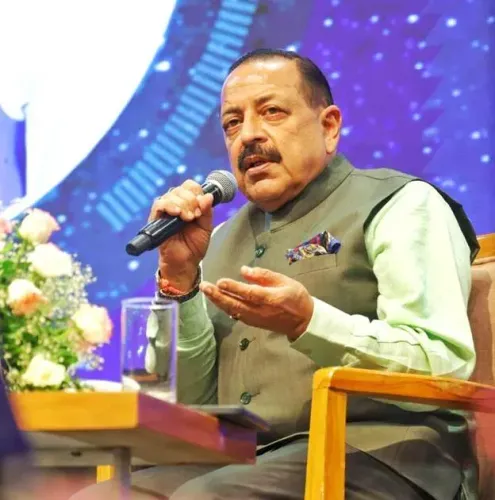
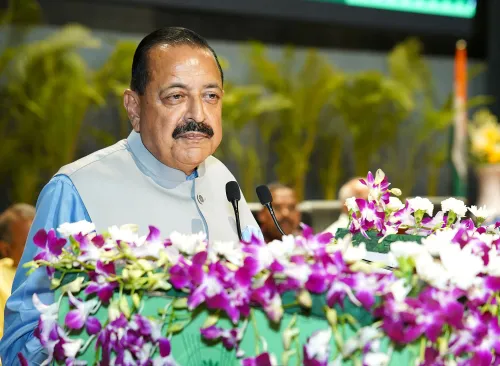
IN-SPACe Chairman Dr Pawan Goenka said the fund bridges the gap between early-stage development and commercial success.
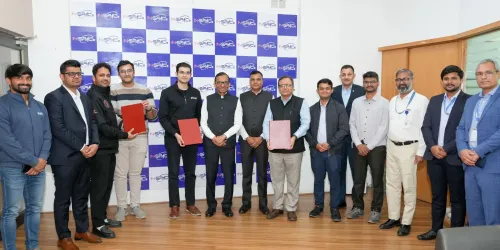
The Indian National Space Promotion and Authorisation Centre (IN-SPACe) has selected three Indian space startups — Astrobase Space Technologies, SatSure Analytics India, and TM2SPACE Technologies — as the first cohort of Indian Non-Governmental Entities (NGEs) to receive funding under its Technology Adoption Fund (TAF) Scheme. The selection, announced on 11 June, marks a significant step in channelling government support toward commercially viable, indigenous space technologies.
What the Three Startups Will Build
Bengaluru-based Astrobase Space Technologies Pvt. Ltd. will develop a high-thrust Closed-Cycle Liquid Rocket Engine with a thrust rating of 800 kN. The reusable LOX-LNG engine is designed with modular architecture for medium-to-heavy lift launch vehicles, positioning it as a commercial propulsion solution for next-generation launch systems and orbital stages.
Also based in Bengaluru, SatSure Analytics India Pvt. Ltd. will develop Dhaarini, described as a Large Earth Observation Model (LOM) intended to serve as India's foundational AI platform for remote sensing. Trained on diverse satellite and aerial datasets, Dhaarini is designed to generate actionable insights across agriculture, infrastructure, and disaster management at a national scale.
Hyderabad-based TM2SPACE Technologies Pvt. Ltd. will build an indigenous AI-powered star tracker system for satellites. The project will produce two products: StarSense Lite for CubeSats and StarSense Pro for satellites above 50 kg, delivering high-precision attitude determination through advanced optics, electronics, and onboard algorithms.
How the Selection Was Made
The three startups were chosen through a rigorous multi-stage evaluation conducted by an expert committee comprising members from ISRO, the Department for Promotion of Industry and Internal Trade (DPIIT), the Department of Science and Technology (DST), industry bodies, academic institutions, and IN-SPACe itself. Multiple proposals were assessed against the objectives and criteria of the TAF scheme before the final three were shortlisted.
What the Government Said
Dr Pawan Goenka, Chairman of IN-SPACe, said the fund would be deployed to bridge the critical gap between early-stage development and commercial success. 'These projects are not just innovative concepts; they are practical, market-ready solutions that will increase our footprint in the global space economy,' Goenka said. IN-SPACe added that it would provide continued technical guidance and milestone-linked disbursement of funds to ensure successful implementation.
Broader Significance
This is the first set of selections under the TAF scheme, and IN-SPACe has encouraged other Indian companies to submit proposals aligned with the fund's objectives. The initiative reflects a wider push by the Centre to build indigenous space capabilities and reduce reliance on foreign propulsion, sensing, and analytics technologies. This comes amid growing international competition in commercial space, with India targeting a larger share of the global launch and satellite services market.
Point of View
Not just issuing licences. The choice of an 800 kN rocket engine, an AI earth observation platform, and a precision star tracker covers three distinct gaps — propulsion, intelligence, and navigation — that currently constrain Indian commercial satellites. What remains untested is whether milestone-linked disbursement will be enforced with rigour or diluted under execution pressure, as has happened with some PLI tranches. The real scorecard will be visible in 24 to 36 months, when these projects either hit flight-readiness or stall at prototype stage.
NationPress
29 Jul 2026
Frequently Asked Questions
What is IN-SPACe's Technology Adoption Fund (TAF)?
The Technology Adoption Fund is a financing scheme run by IN-SPACe to support Indian private space companies in developing commercially viable, indigenous space technologies. It provides milestone-linked financial support alongside technical guidance to bridge the gap between early-stage R&D and commercial readiness.
Which startups were selected under the TAF scheme?
The three startups selected are Astrobase Space Technologies (Bengaluru), SatSure Analytics India (Bengaluru), and TM2SPACE Technologies (Hyderabad). They are the first cohort of Indian Non-Governmental Entities to receive funding under the scheme.
What technology is Astrobase Space Technologies developing?
Astrobase is developing a reusable 800 kN Closed-Cycle Liquid Rocket Engine using LOX-LNG propellant, designed for medium-to-heavy lift launch vehicles. It is intended as a commercial propulsion solution for next-generation launch systems and orbital stages.
What is the Dhaarini platform being built by SatSure?
Dhaarini is a Large Earth Observation Model (LOM) — essentially a foundational AI platform for remote sensing — being developed by SatSure Analytics India. It will be trained on satellite and aerial datasets to deliver insights for agriculture, infrastructure, and disaster management at a national scale.
How were the TAF startups evaluated and selected?
Proposals were assessed through a multi-stage evaluation by an expert committee with members from ISRO, DPIIT, DST, industry bodies, academic institutions, and IN-SPACe. The final three were chosen for their close alignment with TAF objectives, and IN-SPACe has invited further proposals from eligible Indian companies.