India seed ecosystem summit 2026: Innovation, climate tech and global ties take centre stage
Synopsis
At a 24-nation summit in New Delhi, India's top agricultural minds drew a clear line: the country's seed sector cannot grow on policy goodwill alone. Biotech adoption, harmonised global regulations, and climate-resilient breeding are the non-negotiables — and the gap between lab and farm remains the biggest obstacle standing between India and genuine seed-trade leadership.
Key Takeaways
The ASSOCHAM India Seed Trade & Innovation Summit 2026 was held in New Delhi on 9 July 2026 , drawing delegates from 24 countries .
Himanshu Pathak of ICRISAT flagged that subsidies, access, and licensing challenges continue to limit the pace of agricultural transformation.
Experts called for accelerated adoption of biotechnology , digital agriculture , and precision breeding technologies.
Stronger public-private partnerships and harmonised global regulatory frameworks were identified as critical for India's seed export competitiveness.
Former Telangana Special Chief Secretary Sunil Sharma advocated combining traditional agriculture with modern tools including AI to build resilient food systems.
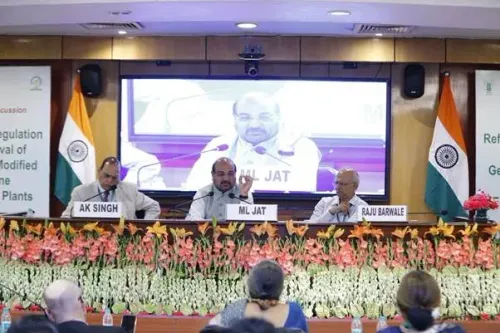
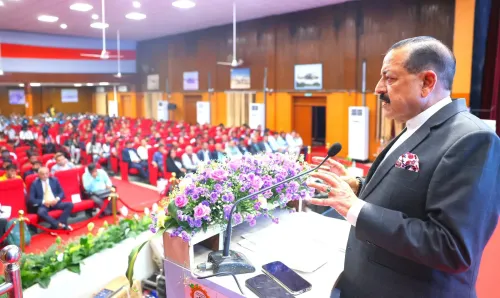
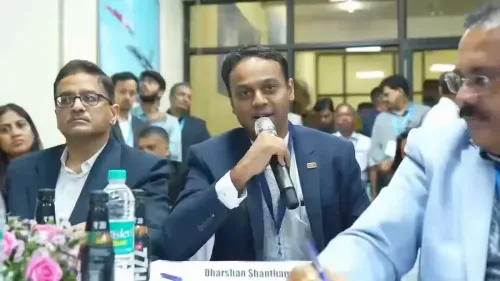
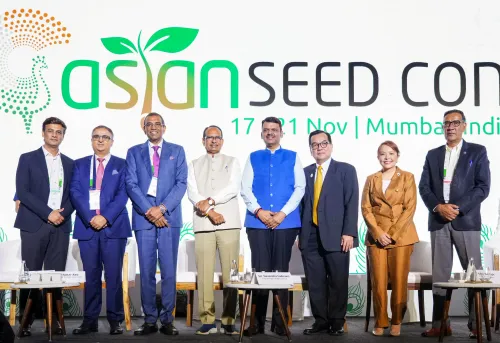
Policymakers, scientists, and industry leaders at the ASSOCHAM India Seed Trade & Innovation Summit 2026 in New Delhi on 9 July 2026 underscored that innovation-led research, science-based regulatory frameworks, climate-resilient technologies, and deeper global collaboration are essential to strengthening India's seed ecosystem and boosting agricultural productivity. The two-day summit drew delegates from 24 countries, alongside senior government representatives, agri-biotechnology firms, startups, and international organisations.
Key Themes from the Summit
Deliberations at the summit converged on several priorities: sustained investment in research and development, accelerated adoption of biotechnology and next-generation precision breeding technologies, stronger public-private partnerships, and harmonised global regulatory frameworks. Experts also stressed the need for an enabling policy environment that balances innovation with quality, sustainability, and farmer welfare — positioning India as a preferred global hub for seed trade.
What Experts Said
Dr. Himanshu Pathak, Director General, ICRISAT, acknowledged India's progress while pointing to persistent structural hurdles. 'While we have made significant progress, critical challenges around subsidies, access, and licensing continue to limit the pace and scale of impact. The next phase of agricultural transformation will depend on strong partnerships that move us beyond self-sufficiency towards climate resilience, improved nutrition, and sustainable livelihoods,' he said.
Dr. Venkatram Vasantavada, Chair of the Agriculture & Allied Sectors Council (AP & Telangana) at ASSOCHAM and Managing Director & CEO of Seedworks International Limited, noted that India has emerged as one of the world's leading seed markets, backed by a strong scientific community and robust public and private research institutions.
Sunil Sharma, Former Special Chief Secretary of Telangana, called for a shared commitment across stakeholders. 'By combining traditional agriculture with modern science such as AI, we can build more resilient food systems, enhance productivity, and create a sustainable and prosperous future for everyone,' Sharma said.
India's Position in the Global Seed Value Chain
The summit's technical sessions focused on strengthening international seed trade and market access, enhancing India's export competitiveness, and safeguarding intellectual property. The integration of digital agriculture and precision breeding was highlighted as a critical lever for scaling impact. This comes amid growing global pressure on food systems from climate volatility, making seed innovation a strategic national priority rather than a sectoral concern alone.
The Road Ahead
Participants broadly agreed that India's next agricultural leap will hinge on bridging the gap between laboratory breakthroughs and farm-level adoption. Regulatory harmonisation with global standards and deeper international partnerships were cited as non-negotiable for India to compete credibly in the global seed value chain. The summit's outcomes are expected to inform policy recommendations to the Centre in the coming months.
Point of View
Licensing barriers, and weak regulatory harmonisation still cap the sector's ceiling. The real tension is between a government that wants India to be a global seed-trade hub and a domestic policy architecture that has not yet caught up with that ambition. Biotechnology adoption, in particular, remains hostage to a regulatory environment that is cautious to the point of being a competitive disadvantage. Until IP protection is strengthened and biotech approvals are streamlined, the 24-nation attendance at summits like this will generate goodwill but not contracts.
NationPress
8 Oct 2026
Frequently Asked Questions
What was the ASSOCHAM India Seed Trade & Innovation Summit 2026?
It was a two-day summit held in New Delhi on 9 July 2026, organised by industry chamber ASSOCHAM, bringing together delegates from 24 countries to discuss strategies for strengthening India's seed ecosystem through innovation, sustainability, and global cooperation.
What are the key priorities identified for India's seed sector?
Experts identified sustained R&D investment, accelerated adoption of biotechnology and precision breeding, stronger public-private partnerships, harmonised global regulatory frameworks, and an enabling policy environment focused on farmer welfare and quality as the top priorities.
What did ICRISAT's Director General say at the summit?
Dr. Himanshu Pathak of ICRISAT said that while India has made significant progress, challenges around subsidies, access, and licensing continue to limit impact. He stressed that the next phase of agricultural transformation requires partnerships that go beyond self-sufficiency toward climate resilience and improved nutrition.
Why does global regulatory harmonisation matter for India's seed trade?
Harmonised regulations allow Indian seed companies to access international markets more efficiently, protect intellectual property, and compete on a level playing field with global seed majors. Without alignment, export competitiveness remains constrained even when the underlying science is strong.
Who participated in the summit?
The summit drew senior government representatives, researchers, seed companies, agri-biotechnology firms, international organisations, academia, and startups from 24 countries, making it one of the more internationally diverse agricultural industry gatherings held in India in 2026.