Is Indian Railways Expanding Its Capacity for Train Operations in Guwahati?
Synopsis
Indian Railways is on a mission to double train capacity in Guwahati by 2030, promising to enhance operations and meet surging passenger demands. This ambitious plan includes significant infrastructure upgrades and new projects aimed at bolstering rail connectivity in the Northeast region.
Key Takeaways
Capacity Doubling: Indian Railways aims to double train capacity in 48 cities by 2030.
Significant Investments: Over Rs 2,000 crore is allocated for projects in Guwahati.
Passenger Focus: Projects aim to enhance passenger comfort and efficiency.
Infrastructure Development: Major upgrades like new coaching complexes and electrification are underway.
Regional Connectivity: Improved connectivity will benefit the entire Northeast region.
Guwahati, Dec 27 (NationPress) The Indian Railways has initiated a comprehensive plan to double the originating train capacity in 48 key cities by 2030, as stated by officials on Saturday.
The Chief Public Relations Officer (CPRO) of the Northeast Frontier Railway (NFR), Kapinjal Kishore Sharma, mentioned that this ambitious strategy is designed to cater to the swiftly growing passenger demand nationwide.
The extensive plan will be implemented through a systematic expansion of coaching terminals, development of new terminals, establishment of maintenance facilities, and enhancement of sectional capacity, he elaborated.
This strategic approach aims to decongest major railway hubs, enhance operational efficiency, and significantly improve rail connectivity across various regions.
Recently, Union Railway Minister Ashwini Vaishnaw emphasized that Indian Railways is engaged in detailed planning to expand terminal infrastructure and sectional capacity in key cities to meet future travel needs, as per the CPRO.
The Union Minister highlighted that this initiative would boost train handling capabilities at stations, enhance punctuality, and provide greater ease for passengers while supporting the long-term development of the railway network.
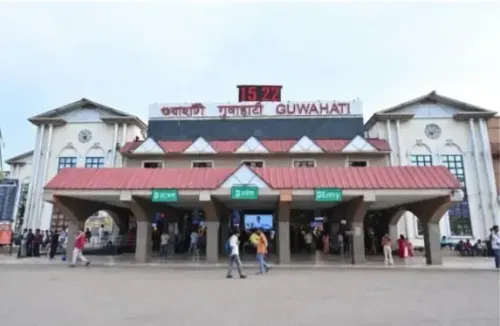
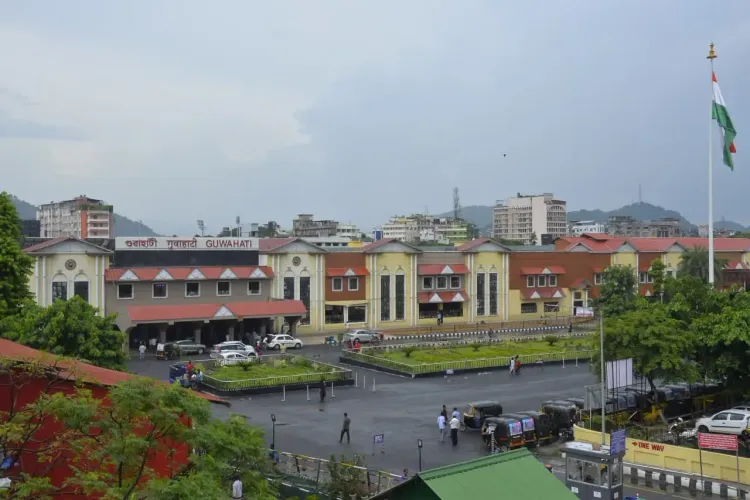
Guwahati, recognized as the gateway to the Northeast region and the headquarters of the NFR, plays a vital role in the railway network of the region.
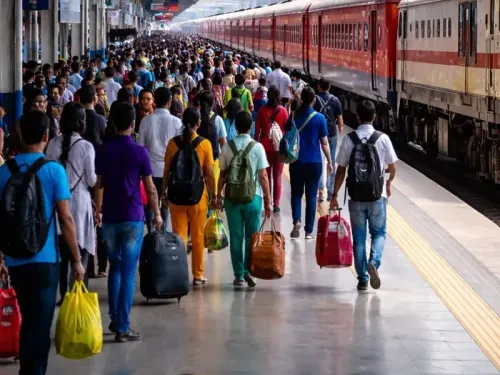
According to CPRO Sharma, the Guwahati Railway Station accommodates nearly 49,000 passengers daily, surging to about 65,000 during peak seasons, with over 200 trains operating daily.
To meet the rising demand, the NFR is undertaking significant capacity enhancement projects in and around Guwahati.
The Kamakhya-New Guwahati 3rd Line Project, spanning 5.74 km with a budget of Rs 467 crore, is a major infrastructure endeavor aimed at boosting railway connectivity in the Guwahati area.
This project will directly benefit the local populace in the Kamrup Metro district by alleviating congestion on the existing railway line and enhancing overall train operations.
The Agthori-Kamakhya Double Line Project, together with the new Saraighat Rail-cum-Road Bridge, covering 7.062 km at a cost of Rs 1,474 crore, represents a significant infrastructure upgrade for the Greater Guwahati region.
The official stated that this project will mitigate congestion on the Saraighat Bridge, enhance railway and road capacity, improve connectivity between Guwahati and North Guwahati, and enable additional daily commuter trains.
The Mega Coaching Complex at New Guwahati, with an investment of Rs 227 crore, will enhance rail operations and passenger services.
Equipped with three new pit lines, four stabling lines, and two automatic washing plants, it will increase terminal capacity, facilitate more trains, and improve coach maintenance, safety, and passenger comfort.
The CPRO mentioned that the Guwahati Railway Station is also undergoing redevelopment into a world-class facility featuring a 12-storey IT park.
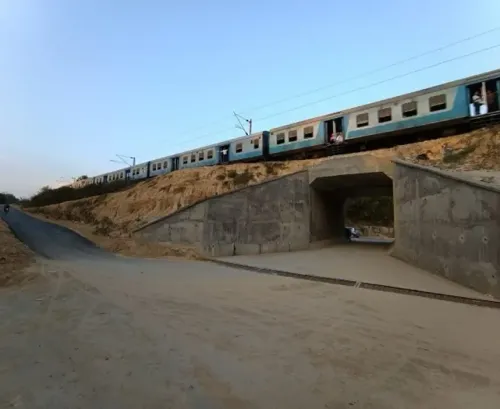
Moreover, the newly inaugurated Panbazar Road Over Bridge will enhance traffic flow and support the station's remodeling.
Additionally, the NFR has electrified both pit lines at Kamakhya Junction, preparing the station for the efficient maintenance of upcoming Vande Bharat and Amrit Bharat trains.
The NFR remains dedicated to translating the national vision of Indian Railways into tangible results for Guwahati and the Northeast through focused infrastructure development, modernization, and passenger-centric initiatives.
Point of View
The Indian Railways' ambitious plans to expand capacity in Guwahati signify a critical step towards meeting the growing demands of passengers. The focus on infrastructure development and modernization aligns with the broader vision of enhancing connectivity across the Northeast region, showcasing a commitment to progress and passenger convenience.
NationPress
7 Oct 2026
Frequently Asked Questions
What is the goal of the Indian Railways' expansion plan?
The goal is to double the originating capacity of trains in 48 major cities, including Guwahati, by 2030 to meet increasing passenger demand.
What specific projects are being undertaken in Guwahati?
Key projects include the Kamakhya-New Guwahati 3rd Line Project, Agthori-Kamakhya Double Line Project, and the construction of a Mega Coaching Complex.
How will these projects benefit passengers?
These projects will alleviate congestion, improve train operations, increase train capacity, and enhance overall passenger services and comfort.
What role does Guwahati play in the Northeast railway network?
Guwahati serves as the gateway to the Northeast and is a crucial hub in the region's railway network.
Who oversees the NFR's expansion initiatives?
The Chief Public Relations Officer of the Northeast Frontier Railway, Kapinjal Kishore Sharma, oversees these initiatives.