Nvidia CEO Jensen Huang champions higher pay for workers amid AI boom

Synopsis
At Computex in Taipei, Nvidia’s Jensen Huang publicly backed maximum worker pay — a rare CEO stance as Samsung offers chip engineers bonuses up to $400,000 and TSMC pledges faster incentive growth. With Nvidia eyeing $1 trillion in AI chip revenue by 2027, the real question is whether the industry’s wealth will actually reach the workers building it.
Key Takeaways
Jensen Huang said at Computex in Taipei that workers ‘should be paid as much as possible’ amid the AI-driven profit surge.
Samsung Electronics reportedly agreed to bonuses of up to $400,000 for chip engineers to avoid labour disruptions.
Wei reportedly told workers that incentive payouts would grow faster this year.
Nvidia projects up to $1 trillion in AI chip revenue by 2027 , driven by Blackwell and Vera Rubin platforms.
Computing demand has risen nearly one million times over the past two years, according to Huang.
Worker anxiety over AI-driven job displacement is growing alongside compensation demands across the sector.
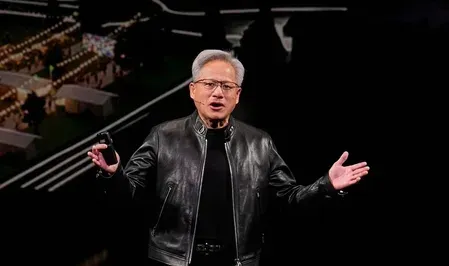
Nvidia CEO Jensen Huang on Tuesday made a direct case for higher worker compensation, saying companies should pay employees as much as possible as the artificial intelligence boom generates unprecedented wealth across the global technology sector. Huang's remarks, delivered on the sidelines of Computex in Taipei, come as semiconductor and chip firms face mounting pressure from workers demanding a larger share of AI-driven profits.
What Huang Said
“I think people should be paid as much as possible,” Huang said while responding to questions about compensation trends across the semiconductor industry. “I pay my employees as much as I can. That’s what I do, doesn’t make this right,” he added.
The comments signal a broader shift in how technology leaders are publicly engaging with labour concerns, even as the industry’s profit pools swell on the back of surging AI infrastructure investment.
Industry-Wide Compensation Pressure
Huang’s remarks reflect a wider pattern across Asia’s chip industry. Samsung Electronics recently reached a compensation agreement with union members that reportedly includes bonuses of up to $400,000 for chip engineers, helping the company avert potential labour disruptions.
Meanwhile, Taiwan Semiconductor Manufacturing Company (TSMC) CEO C.C. Wei reportedly reassured workers last week that incentive-based payouts would grow faster this year. Both moves suggest that talent retention has become a strategic priority as demand for semiconductor expertise outpaces supply.
AI and Job Security Concerns
Beyond pay, workers across the technology sector are increasingly anxious about whether AI could ultimately displace the very jobs it is currently enriching. This tension — between AI as a wealth generator and AI as a job displacer — is emerging as a defining labour question of the decade.
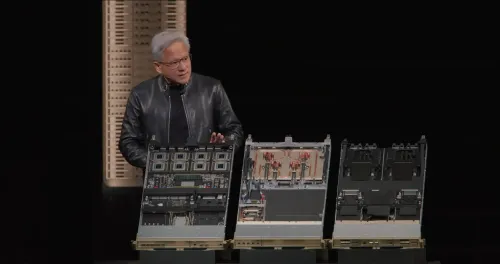
Huang, one of the headline speakers at Computex 2025, also unveiled several new products during the event as Nvidia continues to expand its footprint across the AI ecosystem.
Nvidia’s Revenue Ambitions
Earlier this year at Nvidia’s annual GTC event in San Jose, California, Huang projected that the company could generate up to $1 trillion in revenue from AI chips by 2027, driven by rising demand for next-generation platforms including Blackwell and Vera Rubin systems.
Huang also noted that computing demand has increased nearly one million times over the past two years, underscoring the scale of the AI infrastructure buildout. Nvidia’s strategy, he outlined, centres on an integrated ecosystem spanning hardware, software, and AI infrastructure.
As the AI boom continues to concentrate wealth in the hands of a few dominant chipmakers, the question of how that wealth is distributed to workers is likely to intensify in the months ahead.
Point of View
Including contract manufacturers and component suppliers far removed from Nvidia’s profit pool, will follow. Samsung’s $400,000 engineer bonus is a headline number, but it applies to a thin slice of the workforce. The structural question — whether AI’s wealth concentration will translate into broad-based wage growth or remain confined to elite engineering roles — is one the industry has yet to answer honestly.
NationPress
19 Sept 2026
Frequently Asked Questions
What did Nvidia CEO Jensen Huang say about worker pay at Computex?
Jensen Huang said at Computex in Taipei that workers ‘should be paid as much as possible,’ adding that he pays his own employees as much as he can. The remarks came in response to questions about compensation trends across the semiconductor industry.
Why are chip industry workers demanding higher pay now?
The AI infrastructure boom has generated record profits for semiconductor companies, prompting workers to seek a greater share. Samsung and TSMC have both faced compensation pressure, with Samsung reportedly agreeing to bonuses of up to $400,000 for chip engineers.
What is Nvidia’s projected revenue from AI chips?
Jensen Huang projected at Nvidia’s GTC event in San Jose that the company could generate up to $1 trillion in AI chip revenue by 2027, driven by demand for its Blackwell and Vera Rubin platforms.
How has Samsung addressed worker compensation concerns?
Samsung Electronics reportedly reached a compensation agreement with union members that includes bonuses of up to $400,000 for chip engineers, helping the company avoid potential labour disruptions amid the AI boom.
Are workers worried that AI will replace their jobs?
Yes, alongside pay demands, workers across the technology sector are increasingly concerned about AI-driven job displacement. This tension between AI as a wealth generator and a potential job displacer has become a central labour issue in the industry.