SEBI mulls pre-IPO exchange as grey market alternative: Pandey
Synopsis
SEBI wants to drag pre-IPO trading out of the shadows. Chairman Tuhin Kanta Pandey says the regulator is weighing a dedicated exchange for IPO-bound companies, which could offer a regulated alternative to the grey market that investors now rely on to gauge listing demand. The idea is preliminary, but it could reshape IPO price discovery.
Key Takeaways
SEBI Chairman Tuhin Kanta Pandey said on 28 November 2026 that the regulator is examining a dedicated exchange for IPO-bound companies.
The platform would allow pre-listing shares to trade within a regulated framework, as an alternative to the unofficial grey market .
SEBI will examine eligibility criteria , disclosure requirements , investor safeguards and participation timing; the proposal is at a preliminary stage .
India now has more than 6,700 listed companies , and unique investors have grown fourfold since FY19 .
Pandey made the remarks at CNBC Awaaz's Market Mahakumbh event in Mumbai .
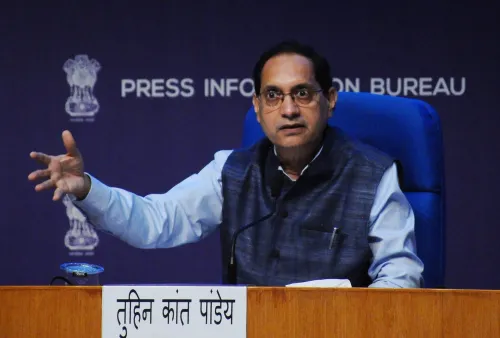
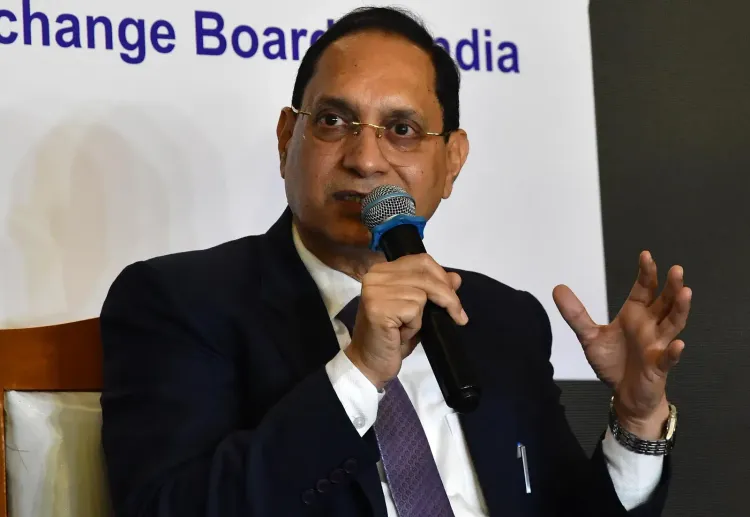
The Securities and Exchange Board of India (SEBI) is examining a proposal to set up a dedicated exchange for companies preparing to launch initial public offerings (IPOs), Chairman Tuhin Kanta Pandey said in Mumbai on Saturday, 28 November 2026. The aim is to bring greater transparency and regulatory oversight to pre-listing share transactions, which currently take place largely outside formal markets. Pandey outlined the idea while speaking at CNBC Awaaz's Market Mahakumbh event.
Key Developments
According to Pandey, the regulator is exploring ways to create a formal, regulated marketplace for companies that are preparing to access public markets. If implemented, the platform would allow shares of IPO-bound companies to be traded within a supervised framework before their stock market debut.
The proposed venue would give investors a transparent mechanism that could serve as an alternative to the unofficial grey market. The proposal is still at a preliminary stage, and no timeline has been indicated.
Why the Grey Market Is Under the Lens
At present, shares of some companies change hands informally before their IPOs through the grey market. Investors closely track grey market premiums as an indicator of likely listing-day demand.
However, these transactions operate outside recognised exchanges. They are not subject to the disclosure, transparency and investor-protection standards that apply in regulated markets, leaving participants with limited recourse and little verified information.
A dedicated pre-IPO exchange could address these gaps by providing structured information about companies and ensuring that trades take place under regulatory supervision. Notably, this would mark a shift from treating pre-listing trading as an unregulated side activity to bringing it inside the formal market architecture.
What SEBI Will Examine
The market regulator is expected to study several design questions before moving forward. These include eligibility criteria, disclosure requirements, investor safeguards and the stage at which companies could participate on the platform.
The initiative forms part of SEBI's broader effort to deepen India's capital markets and encourage more companies to raise funds from the public.
Market Growth and Investor Participation
Pandey highlighted the rapid expansion of India's equity ecosystem, noting that the country now has more than 6,700 listed companies. He added that the number of unique investors has grown fourfold since FY19.
He said rising retail participation makes it important to simplify investment processes and remove unnecessary procedural hurdles, while maintaining strong investor-protection standards.
SEBI has recently undertaken several reforms to improve market accessibility. These include easing investment norms in certain products and simplifying requirements related to real estate, infrastructure and portfolio management investments.
What Happens Next
Pandey said the regulator's focus remains on making markets more accessible and efficient while safeguarding investor interests. Any formal framework for a pre-IPO exchange would likely require detailed consultation on eligibility and disclosure norms before it takes shape.
For now, market participants will watch for a consultation paper or further signals from SEBI on how the proposed platform could change the way IPO-bound shares are priced and traded.
Point of View
Routinely quoted, yet entirely outside regulatory protection. A formal pre-IPO venue would be an admission that the demand for early access is real and better supervised than ignored. The harder question is whether regulated trading merely legitimises speculative premiums before a company has met full listing disclosures, potentially exposing the very retail investors SEBI wants to protect. The design details, especially eligibility and disclosure thresholds, will decide whether this deepens markets or simply moves the frenzy onto an official screen.
NationPress
28 Nov 2026
Frequently Asked Questions
What is SEBI's proposed pre-IPO exchange?
It is a dedicated exchange SEBI is examining where shares of companies preparing for IPOs could be traded within a regulated framework before listing. Chairman Tuhin Kanta Pandey said it aims to bring transparency and oversight to pre-listing transactions.
How is the proposed exchange different from the grey market?
Unlike the grey market, which operates outside recognised exchanges, the proposed platform would be subject to regulatory supervision and disclosure norms. This would give investors structured information and protections that informal trades lack.
When will the pre-IPO exchange be launched?
No timeline has been announced, as the proposal is still at a preliminary stage. SEBI is expected to first examine eligibility criteria, disclosure requirements, investor safeguards and when companies could join the platform.
Who announced the pre-IPO exchange proposal?
SEBI Chairman Tuhin Kanta Pandey shared the proposal on 28 November 2026 while speaking at CNBC Awaaz's Market Mahakumbh event in Mumbai.
How many listed companies does India have now?
India now has more than 6,700 listed companies, according to Pandey. He also said the number of unique investors has risen fourfold since FY19.