Seoul shares plunge 5.21% as Anthropic IPO fails to calm AI investment fears
Synopsis
Anthropic's blockbuster 17% IPO pop didn't just fail to lift Seoul — it may have made things worse. South Korea's KOSPI crashed 5.21% on Friday, with Samsung Electronics shedding 7% and circuit breakers triggered mid-session, as investors globally signal they're no longer willing to give AI infrastructure spending the benefit of the doubt on returns.
Key Takeaways
The KOSPI plunged 267.93 points (5.21%) to close at 4,869.96 on 20 November 2026 .
Programme trading was suspended for five minutes after the index dropped sharply around noon.
Anthropic debuted at $97.17 , up 17% from its IPO price of $83 , but failed to ease AI-spending concerns.
Samsung Electronics fell 7.01% ; SK Hynix declined 5.92% ; Hyundai Motor dropped 4.67% .
Foreign investors sold a net 1.13 trillion won ; institutions offloaded a net 951.33 billion won .
The Korean won weakened to 1,336.2 won per US dollar from 1,330 won the prior session.
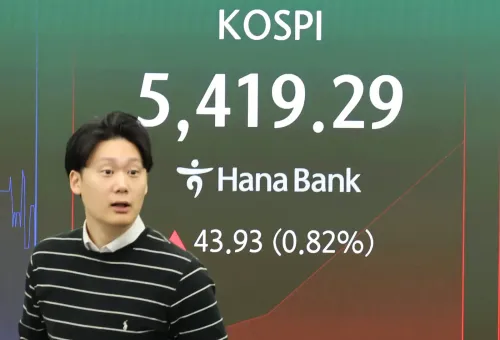
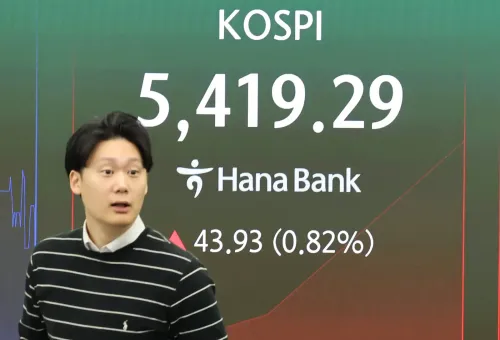
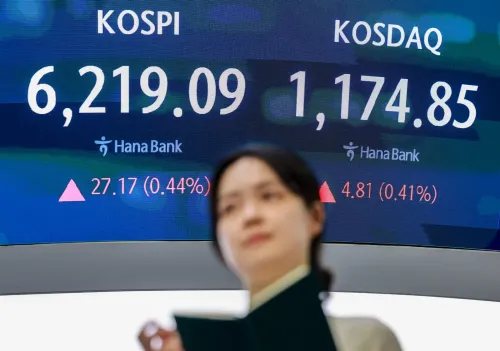
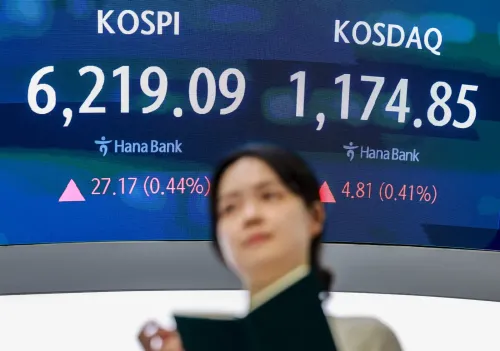
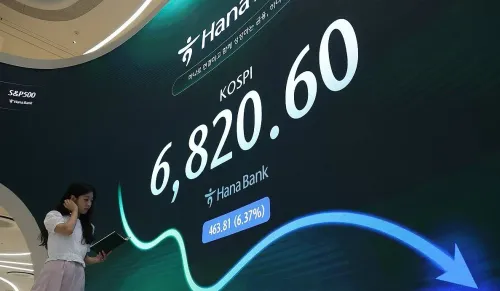
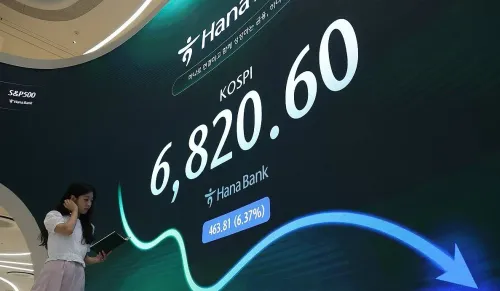
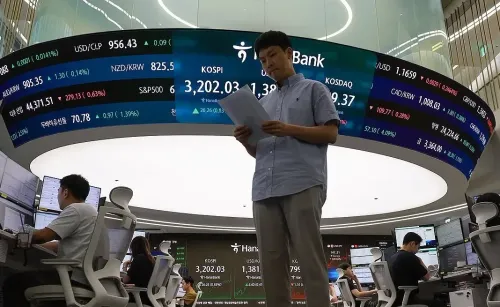
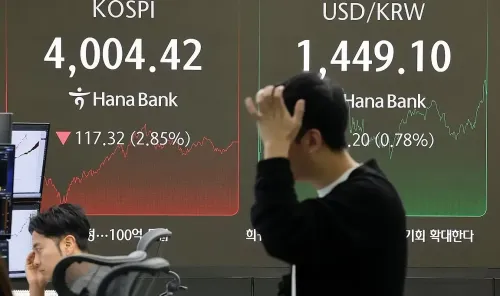
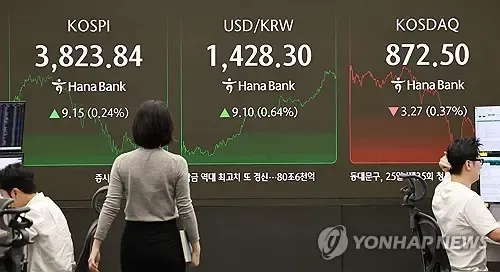
South Korea's benchmark Korea Composite Stock Price Index (KOSPI) plunged 267.93 points, or 5.21%, to close at 4,869.96 on Friday, 20 November 2026, as technology stocks led a broad sell-off in Seoul. The steep decline came despite Anthropic's strong market debut on Wall Street, as investors remained unconvinced that massive artificial intelligence infrastructure spending by big tech firms will generate sustainable returns.
Circuit Breaker Triggered Mid-Session
The sell-off was severe enough to halt programme trading of KOSPI-listed shares for five minutes around noon, as the index sank sharply. Trade volume was moderate at 193.7 million shares worth 14.1 trillion won (approximately US$10.5 billion), with decliners overwhelming gainers at a ratio of 805 to 88.
Selling pressure was concentrated among institutions and foreign investors. Institutions offloaded a net 951.33 billion won worth of shares, while foreigners sold a net 1.13 trillion won. Individual investors partially absorbed the selling, purchasing a net 1.59 trillion won.
Anthropic IPO Fails to Reassure Markets
Anthropic shares surged 17% above their IPO price of $83 to close at $97.17 on Thursday (US time), making it one of the more striking AI-sector debuts in recent memory. Yet the record-setting listing did little to calm broader concerns about the profitability of AI-related capital expenditure across the industry.
Overnight, the Dow Jones Industrial Average fell 2.19%, while the tech-heavy Nasdaq Composite declined 2.25%, transmitting negative sentiment directly into Seoul's Friday session. This is not the first time that Wall Street's AI-linked sell-offs have rippled into Korean markets, given the KOSPI's heavy weighting in semiconductor and electronics giants.
Technology and Industrial Giants Bear the Brunt
Market bellwether Samsung Electronics fell 7.01% to 183,100 won, while chipmaking rival SK Hynix declined 5.92% to 1,113,000 won. The twin declines underscored the KOSPI's acute sensitivity to shifts in global AI-spending sentiment, as both firms are among the world's leading suppliers of memory chips used in AI servers.
Beyond technology, the sell-off spread across the market. Top carmaker Hyundai Motor dropped 4.67% to 255,000 won, and defence conglomerate Hanwha Aerospace Industries shed 4.12% to 605,000 won.
A Few Bright Spots in a Sea of Red
Not all stocks fell. Budget carrier Jeju Air rose 2.51% to 8,570 won, and Hanjin KAL, the parent company of Korean Air, surged 9.26% to 236,000 won, bucking the broader trend as aviation stocks attracted selective buying.
Won Weakens; Bond Yields Fall
The Korean won weakened to 1,336.2 won against the US dollar as of 3:30 pm local time, compared to 1,330 won at the previous session's close. Bond prices moved higher as investors sought safety: the yield on three-year Treasuries fell 7.4 basis points to 3.642%, and the benchmark five-year government bond yield shed 8.4 basis points to 3.728%.
Samsung Securities noted in a research note that 'concerns over the Federal Reserve's possible tightening and continued foreign selling also weighed on the market.' With AI-related profitability questions unresolved and the Fed outlook clouded, South Korean equities face continued pressure in the near term.
Point of View
It signals that investors are no longer deferring to narrative; they want a credible return-on-investment path, and big tech has yet to provide one. For South Korea, the stakes are outsized: Samsung and SK Hynix together represent a disproportionate share of KOSPI market cap, meaning every AI-spending doubt is amplified locally. The won weakening alongside the equity sell-off adds a currency-contagion layer that policymakers in Seoul cannot ignore.
NationPress
20 Nov 2026
Frequently Asked Questions
Why did Seoul's KOSPI fall more than 5% on 20 November 2026?
The KOSPI fell 5.21% to 4,869.96 as investor concerns over the return on massive AI infrastructure investments persisted, compounded by an overnight drop on Wall Street. Despite Anthropic's strong IPO debut, markets remained unconvinced that big tech's AI spending would generate sustainable profits.
How did Anthropic's IPO perform, and why didn't it help markets?
Anthropic shares closed at $97.17 on Thursday, up 17% from their IPO price of $83, marking a strong debut. However, the listing failed to allay broader worries about AI profitability, and the accompanying Wall Street sell-off — Nasdaq down 2.25%, Dow down 2.19% — transmitted negative sentiment into Asian markets the following day.
Which South Korean stocks fell the most during the sell-off?
Samsung Electronics led the decline, falling 7.01% to 183,100 won. SK Hynix dropped 5.92% to 1,113,000 won, Hyundai Motor shed 4.67% to 255,000 won, and Hanwha Aerospace Industries fell 4.12% to 605,000 won.
Were there any gainers on the KOSPI during the Friday crash?
Yes, a handful of stocks bucked the trend. Hanjin KAL, the parent of Korean Air, surged 9.26% to 236,000 won, and budget carrier Jeju Air rose 2.51% to 8,570 won, as aviation stocks attracted selective buying.
What is the outlook for South Korean markets after this sell-off?
Samsung Securities warned in a research note that concerns about possible US Federal Reserve tightening and continued foreign selling are likely to keep weighing on the KOSPI. With AI-spending profitability questions unresolved and the Korean won under pressure, analysts expect continued volatility in the near term.