57th GST Council meeting: States back reforms to ease business compliance
Synopsis
The 57th GST Council meeting delivered a broad federal consensus on simplifying business compliance — from registration to refunds — with states across party lines welcoming the reforms. Coming weeks after a consumer-focused rate rationalisation, this session signals a deliberate two-phase strategy: first ease consumer burden, then unshackle businesses from procedural red tape.
Key Takeaways
The 57th GST Council meeting was held on 8 October 2026 in New Delhi , focusing on procedural and structural reforms.
Delhi CM Rekha Gupta , Goa CM Pramod Sawant , West Bengal FM Swapan Dasgupta , and UP FM Suresh Kumar Khanna welcomed the decisions.
Reforms cover simplification across the full GST lifecycle — from registration to refunds — and include relief from what critics termed unnecessary arrests under GST law.
UP Finance Minister Khanna described the measures as a 'Diwali gift' for the business community.
The session follows a 3 September rate rationalisation meeting, with the Centre adopting a two-phase strategy: consumer relief first, business relief second.
Multi-party state endorsement signals strong federal consensus behind the current GST reform trajectory.
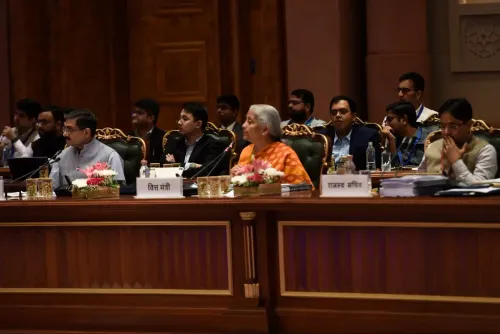
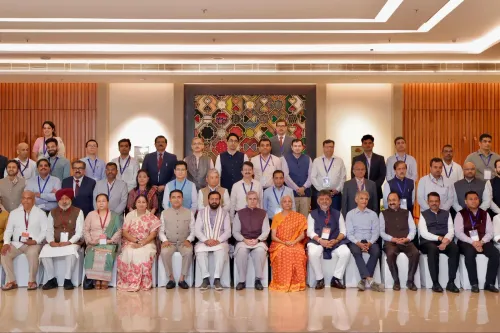
Multiple states on Thursday, 8 October 2026 welcomed the decisions taken at the 57th meeting of the Goods and Services Tax (GST) Council in New Delhi, describing the latest reforms as a significant step towards simplifying the tax regime, reducing compliance burden, and addressing longstanding concerns of businesses and taxpayers across the country.
Key Developments from the 57th GST Council Meeting
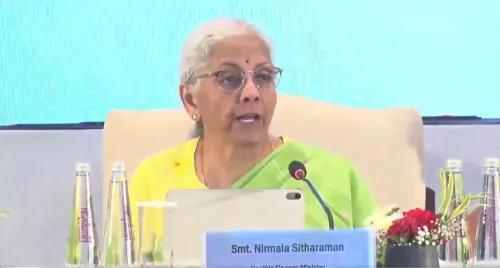
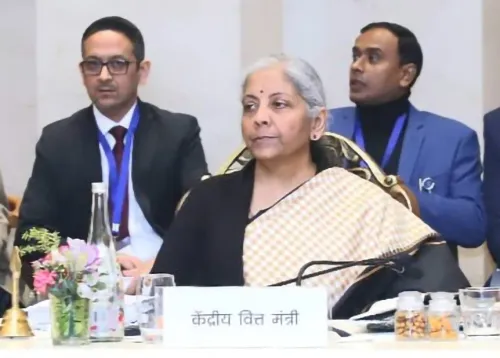
The meeting, chaired by Union Finance Minister Nirmala Sitharaman, concentrated on procedural and structural reforms rather than rate changes. Finance ministers and chief ministers from several states expressed broad support for the direction of the reforms, saying the changes would sharpen the GST framework's efficiency and improve ease of doing business.
This follows the rate rationalisation exercise undertaken at the 3 September Council meeting, which state leaders had credited with providing relief to consumers without eroding government revenues. The 57th meeting, by contrast, turned its attention to simplifying processes for businesses.
What State Leaders Said
Delhi Chief Minister Rekha Gupta said one of the GST Council's core strengths is its ability to bring states together to deliberate on ways to simplify the tax framework and extend greater convenience to citizens. She noted the meeting also focused on improving GST implementation and making the system more effective for taxpayers.
Goa Chief Minister Pramod Sawant welcomed the reforms, saying the measures would help reduce difficulties faced by people and make the overall GST system more accessible and convenient.
West Bengal Finance Minister Swapan Dasgupta said GST has continued to be beneficial for states like West Bengal, with a significant share of the state's revenue now flowing from the tax. He noted the latest structural reforms placed considerable emphasis on rationalising provisions and strengthening ease of doing business, adding that such changes would deliver long-term benefits to states. Dasgupta also acknowledged that GST compliance had historically been challenging for the state but said awareness levels had improved significantly. He described the Council's deliberations as 'highly positive.'
Uttar Pradesh Finance Minister Suresh Kumar Khanna said the GST Council has consistently served as the appropriate forum for addressing grievances raised by businesses and streamlining procedures. He praised the efforts of the Central government to make the system more taxpayer-friendly and protect businesses from unnecessary difficulties. Khanna also welcomed steps aimed at providing relief from what he described as unnecessary arrests under the GST law.
From Registration to Refunds: Procedural Relief
'From registration to refunds, wherever businesses were facing problems, the processes have now been simplified,' Khanna said, describing the measures as a major Diwali gift for the business community.
He outlined the government's broader sequencing strategy: first providing relief to consumers through rate rationalisation at the September meeting, and then addressing business-side procedural difficulties through the latest round of reforms.
Context and Significance
The GST Council, which brings together the Centre and all state governments, has been meeting with increasing regularity as it works through a multi-phase overhaul of India's indirect tax architecture. This is the second substantive reform session in as many months, suggesting a deliberate push to address accumulated grievances before the end of the fiscal year. Notably, the multi-party endorsement — with states governed by the Bharatiya Janata Party (BJP), All India Trinamool Congress (TMC), and other parties all expressing support — underscores the federal consensus behind the current reform direction.
With compliance simplification and anti-arrest provisions now on the table, the reforms signal a shift in the Council's stance from revenue maximisation to taxpayer trust-building — a dynamic that industry bodies have long advocated.
Point of View
But consensus in a Council meeting is not the same as impact on the ground. The GST regime has faced persistent criticism for high compliance complexity and aggressive enforcement — issues that procedural reforms on paper may not fully resolve without accompanying changes in administrative culture. The reference to curbing 'unnecessary arrests' is telling: it suggests enforcement overreach has been a real concern, not merely a lobbying talking point. Whether simplification translates into measurable improvement in compliance rates and ease-of-doing-business rankings will be the real test of this two-phase reform strategy.
NationPress
8 Oct 2026
Frequently Asked Questions
What was decided at the 57th GST Council meeting?
The 57th GST Council meeting, held on 8 October 2026 in New Delhi, focused on procedural and structural reforms to simplify the GST regime. Key decisions included streamlining processes from registration to refunds and providing relief from what several state leaders described as unnecessary arrests under GST law.
Which states welcomed the 57th GST Council decisions?
Delhi, Goa, West Bengal, and Uttar Pradesh were among the states that publicly welcomed the decisions. Leaders from parties including the BJP and TMC expressed broad support, reflecting a strong federal consensus on the reform direction.
How does the 57th GST Council meeting differ from the September 3 meeting?
The 3 September meeting focused on rate rationalisation — adjusting GST rates to provide relief to consumers without hurting revenues. The 57th meeting shifted focus to procedural reforms, targeting ease of doing business and reducing compliance burdens for businesses and taxpayers.
What did Uttar Pradesh Finance Minister Suresh Kumar Khanna say about the reforms?
Khanna said the reforms simplify GST processes wherever businesses had faced difficulties — from registration to refunds — and described the measures as a major Diwali gift for the business community. He also praised steps to protect businesses from unnecessary arrests under GST law.
Why do multi-state endorsements of GST reforms matter?
The GST Council is a federal body requiring consensus between the Centre and states. Broad multi-party endorsement signals that reforms are unlikely to face political resistance at the state level, improving the chances of smooth implementation across India's diverse tax jurisdictions.