Is 2025 a Year of Evidence-Based Growth and Global Leadership for the Ayush Sector?
Synopsis
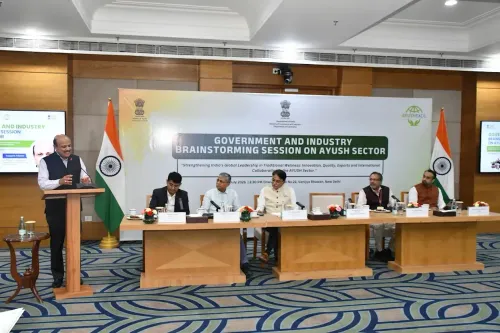
2025 marks a transformative year for the Ayush sector, showcasing evidence-based growth, global leadership, and a focus on holistic healthcare. With significant initiatives and international recognition, India is positioning itself as a leader in traditional medicine and wellness.
Key Takeaways
2025 marks a milestone year for the Ayush sector.
Significant budget increases support sector growth.
Maha Kumbh expanded Ayush’s reach to millions.
WHO recognized Ayurveda in ICD-11.
India’s Ayush market is set for exponential growth.
New Delhi, Dec 26 (NationPress) 2025 has emerged as a pivotal year marked by evidence-based growth, global leadership, and people-centric healthcare within the Ayush sector.
With increased budget allocations and a surge in exports, the sector experienced remarkable market expansion.
The Maha Kumbh in Prayagraj broadened the Ayush sector's reach, benefiting over 900,000 pilgrims through OPDs, mobile health units, wellness halls, and yoga sessions.
Thanks to the World Health Organization’s 2025 update to ICD-11, traditional medicine took a groundbreaking step with the introduction of a dedicated module for Ayurveda, Siddha, and Unani, allowing systematic global reporting alongside conventional medical issues.
The newly implemented module, accessible on the WHO Blue Browser, facilitates dual coding, enhances data collection, boosts interoperability, and fortifies evidence-based policymaking.
India set five Guinness World Records during the first phase of the ‘Desh Ka Prakriti Parikshan Abhiyaan’, showcasing the nation’s rising influence in holistic and personalized healthcare.
The campaign, which aims to bring Ayurveda into every household for understanding individual 'Prakriti' (Ayurvedic body type) and fostering healthy lifestyles, recorded over 12.9 million prakriti assessments, vastly surpassing its goal of 10 million. It established global records for the highest number of pledges and the largest online photo and video collections associated with a health initiative.
The 11th International Day of Yoga, led by Prime Minister Narendra Modi, achieved the status of the world's largest yoga gathering with 300,000 participants in Visakhapatnam. Celebrated across over 180 countries, this event underscored yoga’s unifying power and global appeal.
The WHO’s groundbreaking technical brief on “AI in Traditional Medicine” acknowledged India’s leadership in fusing artificial intelligence with Ayush systems, spotlighting innovations like the Ayush Grid, Ayurgenomics, predictive diagnostic tools, and digital platforms such as SAHI, NAMASTE, and the Ayush Research Portal.
India became the first nation to launch a Traditional Knowledge Digital Library (TKDL). The brief highlights how AI-driven applications—from Prakriti-based diagnostics to the genomic decoding of herbal formulations—are modernizing traditional medicine and enhancing its global relevance.
In a significant move to bolster consumer protection and regulatory oversight in traditional medicine, the government launched the Ayush Suraksha Portal, serving as a vigilant defense against misinformation.
This Portal signifies a major leap forward in pharmacovigilance and regulatory alignment within the Ayush ecosystem.
The 10th National Ayurveda Day—observed universally on September 23—was marked by major initiatives, global involvement, and a renewed focus on the health of people and the planet.
The occasion underscored Ayurveda’s expanding global presence and its importance in addressing contemporary health and environmental issues.
The government also introduced the Ayush Nivesh Saarthi portal, representing a significant advancement in transforming India’s ancient wellness systems into a modern, investment-friendly sector.
Through Ayush Nivesh Saarthi, the government aims to stimulate investment, empower entrepreneurs, and highlight India’s leadership in traditional medicine and wellness.
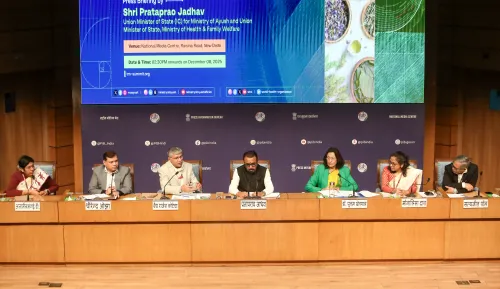
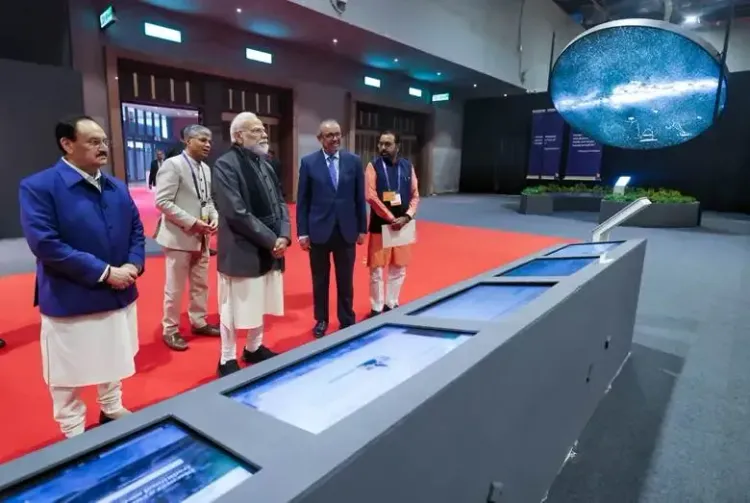
The second WHO Global Summit on Traditional Medicine held in New Delhi further solidified India's global position through high-level engagements and sixteen bilateral meetings with participating nations.
The Union Budget for FY26 allocated the Ministry of Ayush Rs 3,992.9 crore, reflecting a 14.2 percent increase compared to the previous year's revised estimate of Rs 3,497.6 crore.
Exports of Ayush and herbal products from India in FY25 rose by 5.86 percent, with the quantity increasing by nearly 21.46 percent compared to FY24.
According to data from the Ministry of Commerce and Industry, exports of AYUSH and herbal products surged to Rs 5,907 crore in FY25 from Rs 5,580 crore in FY24.
The Indian Ayush market is projected to expand from $43.3 billion in 2024 to $200 billion by 2030, indicating an exponential growth of eightfold over the past decade.
Point of View
I believe the developments in the Ayush sector reflect India's commitment to integrating traditional medicine into modern healthcare. The growth witnessed in 2025 signifies the global recognition of Ayush and its potential to address contemporary health challenges, ensuring a healthier future for all.
NationPress
20 Sept 2026
Frequently Asked Questions
What is the significance of the Ayush Suraksha Portal?
The Ayush Suraksha Portal enhances consumer protection and regulatory oversight in traditional medicine, serving as a defense against misinformation.
How did the Maha Kumbh impact the Ayush sector?
The Maha Kumbh expanded the Ayush sector's reach, benefiting over 900,000 pilgrims through various health and wellness initiatives.
What are the projected growth figures for the Indian Ayush market?
The Indian Ayush market is expected to grow from $43.3 billion in 2024 to $200 billion by 2030.
What role does AI play in traditional medicine according to WHO?
AI is transforming traditional medicine through applications like Prakriti-based diagnostics and genomic decoding of herbal formulations.
What records did India set during the Desh Ka Prakriti Parikshan Abhiyaan?
India set five Guinness World Records for the highest number of health pledges and the largest health initiative-related online collections.