Congo slams Spain over Ebola-linked cancellation of Chile friendly
Synopsis
Spain cancelled DR Congo's pre-World Cup friendly against Chile over Ebola fears — but Congo's communication minister fired back, calling it discrimination. All 26 players had been training in a health bubble in Belgium for three weeks, with no direct travel from the outbreak zone. The episode puts a spotlight on how nations and football authorities navigate public health crises during global tournaments.
Key Takeaways
Spain cancelled the DR Congo vs Chile friendly scheduled for 9 June in La Linea de la Concepcion over Ebola concerns.
Mayor Juan Franco signed a formal decree banning the match, citing advice from the local health service.
DR Congo's Minister of Communication Patrick Muyaya called the decision potential 'discrimination' at a WHO virtual press conference.
All 26 players in the DR Congo squad had been training in a health bubble in Belgium for approximately three weeks , with no direct travel from DR Congo.
Some support staff and possibly fans may have travelled from DR Congo , a factor reportedly influencing the ban.
The Democratic Republic of Congo has sharply condemned a decision by Spanish authorities to cancel its pre-World Cup friendly against Chile, scheduled for 9 June, citing the ongoing Ebola outbreak in the Central African nation. The match was to be held in La Linea de la Concepcion, a town in southern Spain.
How the Cancellation Happened
The decision was announced by Juan Franco, the mayor of La Linea de la Concepcion, who said he had formally signed a decree barring the fixture. Franco cited a report from the head of the local health service that 'advised categorically against hosting the match given the health risks which might arise.'
The cancellation marks the second pre-tournament match for DR Congo to be called off, deepening frustration within the country's football establishment ahead of the World Cup.
Congo's Rebuttal: 'This Is Discrimination'
Patrick Muyaya, DR Congo's Minister of Communication, spoke at a virtual press conference organised by the World Health Organization (WHO), expressing strong objection to the move. 'We are having serious problems with the Spanish authorities because they have decided that the second match our national team is scheduled to play cannot be played due to Ebola,' he said.
Muyaya went further, arguing that the ban was unjustified given the players' circumstances. 'I believe that none of our players play in Kinshasa or in the Democratic Republic of Congo. They have all been in Belgium for about three weeks now, training for the World Cup, so this type of decision could be considered discrimination,' he added.
The Squad's Health Bubble in Belgium
According to reports, the DR Congo squad of 26 players has been training in a health bubble in Belgium ahead of the World Cup. Crucially, none of the players is based in the country or reportedly travelled directly from DR Congo to the training camp. However, some members of the support staff and potentially certain fans may have done so, a detail that appears to have informed the Spanish authorities' caution.
What WHO Says About Ebola
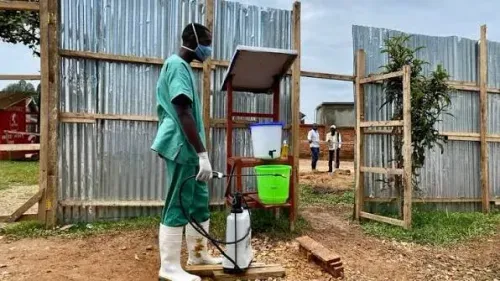
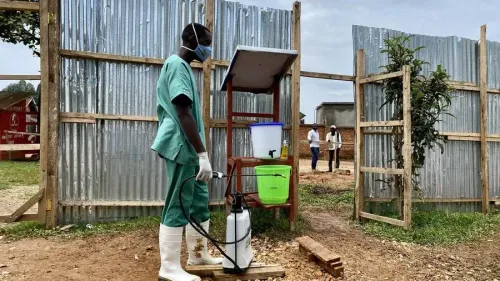
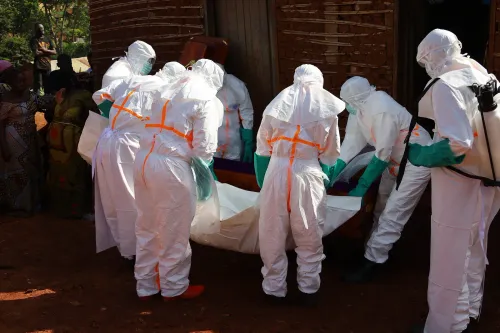
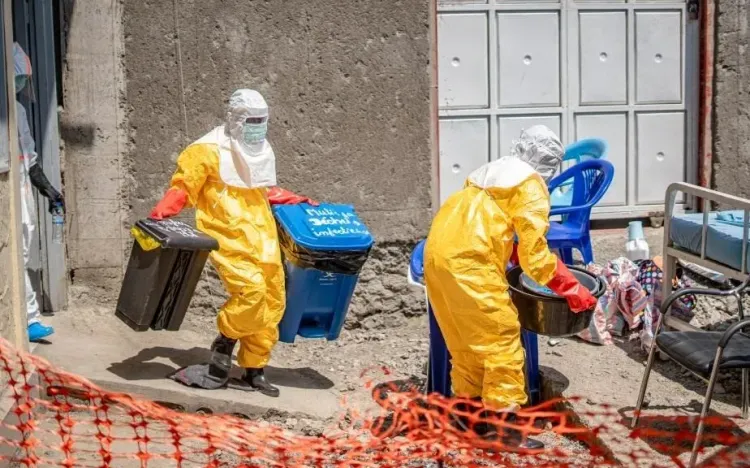
The World Health Organization describes Ebola as a severe, often fatal illness affecting humans and other primates. The virus is transmitted to people from wild animals — including fruit bats, porcupines, and non-human primates — and subsequently spreads through direct contact with the blood, secretions, organs, or other bodily fluids of infected individuals, as well as contaminated surfaces and materials such as bedding and clothing.
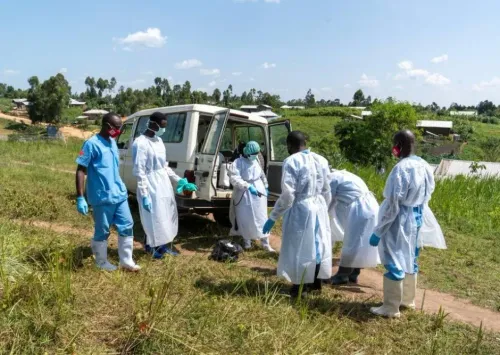
This comes amid an active Ebola outbreak in DR Congo, which has drawn international attention and prompted precautionary measures in several countries ahead of major sporting gatherings.
Broader Implications for the World Cup
The episode raises questions about how international football bodies and host nations will handle public health risks tied to teams from outbreak-affected regions. Notably, the DR Congo squad's quarantine protocol in Belgium suggests the team had already taken preventive steps — making the ban a point of contention rather than a straightforward health decision. How FIFA and other governing bodies respond to such situations in future tournaments will likely be scrutinised closely.
Point of View
But the argument weakens considerably when the squad in question has been isolated in Belgium for three weeks with no direct contact with the outbreak zone. The distinction between players and support staff — which appears to be where the actual risk, however marginal, lies — was never clearly drawn by Spanish authorities. Blanket bans tied to a nation's name rather than verified exposure risk set a troubling precedent for how African teams are treated in international football. The burden of proof, in this case, appears to have been placed on the wrong side.
NationPress
23 Sept 2026
Frequently Asked Questions
Why was the DR Congo vs Chile friendly cancelled?
The friendly, scheduled for 9 June in La Linea de la Concepcion, Spain, was cancelled by the town's mayor due to the ongoing Ebola outbreak in DR Congo. The local health service reportedly advised against hosting the match on public health grounds.
What did DR Congo's minister say about the cancellation?
DR Congo's Minister of Communication Patrick Muyaya called the decision potentially discriminatory, noting that all 26 players had been training in Belgium for about three weeks and none had travelled directly from DR Congo to the camp.
Were any DR Congo players based in the Ebola-affected region?
According to reports, none of the 26 squad members plays in DR Congo or travelled directly from the country to the Belgium training camp. However, some support staff and possibly certain fans may have done so.
How does Ebola spread, according to the WHO?
The World Health Organization says Ebola spreads to humans from wild animals such as fruit bats and non-human primates, and then transmits between people through direct contact with blood, bodily fluids, or contaminated materials like bedding and clothing.
What does this mean for DR Congo's World Cup preparations?
The cancellation is the second pre-tournament match DR Congo has lost, disrupting their build-up. The squad continues its preparation from their training base in Belgium ahead of the World Cup.