Nearly 2,000 ships stuck at Gulf exit, Bessent warns of Hormuz backlog

Synopsis
US Treasury Secretary Scott Bessent has put a number to the Hormuz crisis: nearly 2,000 ships are queued to exit the Gulf. With oil down 10% in May and Washington pressing Iran on free navigation, the backlog is a ticking economic variable — and for India, which depends on Gulf energy and trade, the stakes extend well beyond crude prices.
Key Takeaways
US Treasury Secretary Scott Bessent disclosed on 29 May that nearly 2,000 vessels are waiting to exit the Gulf amid Strait of Hormuz disruptions.
Bessent said oil prices fell approximately 10 per cent in May and expressed confidence markets would stabilise once shipping resumes.
Restoring free navigation through the Strait of Hormuz is a stated key objective of the Trump administration’s talks with Iran .
The strait is the primary export route for Saudi Arabia , Iraq , Kuwait , and the UAE , making it one of the world’s most critical maritime chokepoints.
For India , prolonged disruption risks higher freight costs, supply chain strain, and energy security concerns across South Asia .
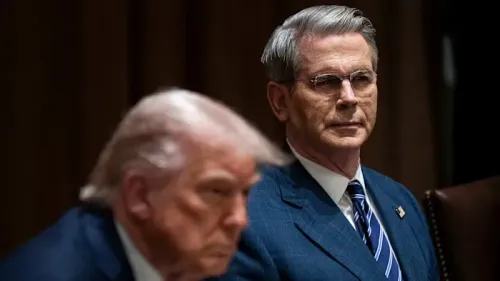
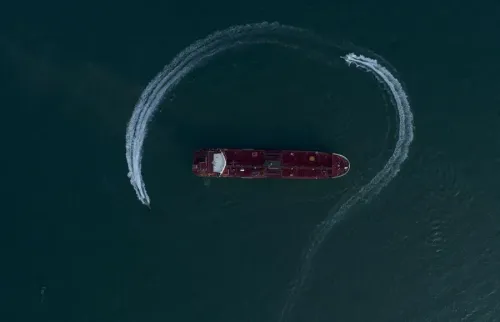
US Treasury Secretary Scott Bessent on 29 May disclosed that nearly 2,000 vessels are waiting to exit the Gulf amid disruptions tied to tensions around the Strait of Hormuz, offering one of the most specific public assessments yet of the scale of the maritime backlog at the world's most critical energy chokepoint.
Scale of the Backlog
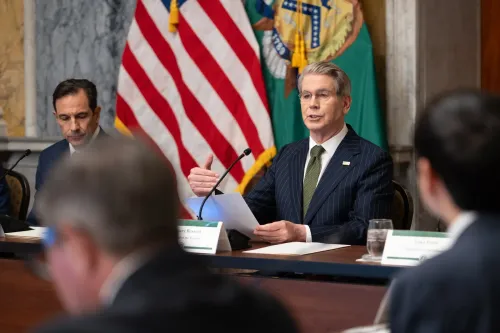
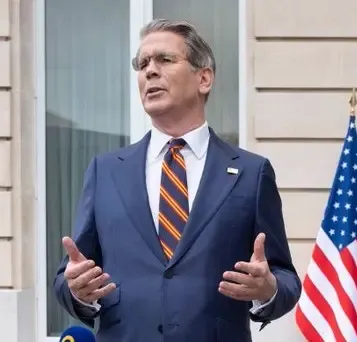
Speaking at a White House briefing, Bessent told reporters: “There are almost 2,000 ships waiting to come out of the gulf.” The figure underscores the severity of congestion at a waterway through which a significant share of global oil and liquefied natural gas exports normally transit. The disclosure by a senior Trump Cabinet member is among the most detailed official acknowledgements of the disruption’s magnitude to date.
Bessent’s Market Reassurance
Despite the congestion, Bessent expressed confidence in global market resilience. “I think the oil market’s going to be very well supplied on the other side of this, and that we could see prices come down very quickly,” he said. He added that once restrictions ease, a surge in shipments is expected: “As the strait opens up, we’re going to see this burst of ships come out.”
Bessent also noted that oil prices had fallen roughly 10 per cent during May, arguing that energy markets remain adequately supplied despite the delays. His remarks were widely read as an effort to calm markets concerned that prolonged Gulf shipping disruptions could reignite energy-price inflation.
Hormuz at the Centre of Iran Talks
The Strait of Hormuz has emerged as a central issue in the Trump administration’s ongoing diplomatic engagement with Iran. Bessent has repeatedly emphasised that restoring freedom of navigation is a core Washington objective. “The Strait of Hormuz has to have free transit. Navigation of the seas has to be free and open as it was before,” he said. The strait connects the Persian Gulf to the Gulf of Oman and the Arabian Sea, and energy exports from Saudi Arabia, Iraq, Kuwait, and the United Arab Emirates depend heavily on the route.
India’s Strategic Exposure
For India, the implications reach well beyond crude oil. The Gulf region is a major trading partner and a critical source of energy imports, fertilisers, and petrochemicals. Any prolonged disruption to Hormuz shipping can elevate freight costs, strain supply chains, and threaten energy security across South Asia. Governments and businesses across the region are monitoring the situation closely for signs of a sustained supply shock.
What Happens Next
The pace at which the backlog clears will depend on the trajectory of US-Iran negotiations and whether freedom of navigation is restored to pre-crisis norms. Bessent acknowledged the logistical question of how quickly vessels can be refined and routed once the strait reopens. With nearly 2,000 ships queued, a rapid resumption of transit could itself create short-term port congestion and refining bottlenecks at destination markets.
Point of View
000 ships' figure is the most concrete data point to emerge from a crisis that has so far been discussed in diplomatic abstractions. The 10% May oil price drop is being used as reassurance, but it reflects demand anxiety as much as supply adequacy — a distinction markets will eventually price in. For India, the Hormuz exposure is structural: the Gulf accounts for a disproportionate share of India’s energy imports, remittances, and petrochemical supply chains. A protracted standoff does not need to trigger a formal blockade to inflict serious economic damage — the backlog alone is already doing it.
NationPress
14 Oct 2026
Frequently Asked Questions
How many ships are waiting at the Gulf amid the Strait of Hormuz disruption?
According to US Treasury Secretary Scott Bessent, nearly 2,000 vessels are currently waiting to exit the Gulf due to disruptions linked to tensions around the Strait of Hormuz. He made the disclosure at a White House briefing on 29 May.
What did Scott Bessent say about oil prices and market stability?
Bessent said oil prices fell roughly 10 per cent in May and expressed confidence that markets would be well-supplied once shipping through the Strait of Hormuz resumes. He projected that a surge of vessels would exit the strait quickly once restrictions ease.
Why is the Strait of Hormuz so important to global energy markets?
The Strait of Hormuz connects the Persian Gulf to the Gulf of Oman and the Arabian Sea, serving as the primary export route for oil and LNG from Saudi Arabia, Iraq, Kuwait, and the UAE. It is widely regarded as one of the world’s most critical maritime chokepoints for energy trade.
How does the Hormuz shipping disruption affect India?
India relies on the Gulf for a significant share of its crude oil, LNG, fertilisers, and petrochemical imports. A prolonged disruption to Hormuz transit can raise freight costs, disrupt supply chains, and threaten energy security across South Asia, making it a matter of close strategic concern for New Delhi.
What is the US position on freedom of navigation through the Strait of Hormuz?
The Trump administration has made restoring free transit through the Strait of Hormuz a key objective in its ongoing discussions with Iran. Bessent stated that navigation of the seas must be ‘free and open as it was before,’ signalling that the issue is central to any diplomatic resolution.