Bangladesh garment workers block Dhaka highway; 39 factories shut indefinitely in Gazipur
Synopsis
Bangladesh's garment sector is once again on the boil — workers blocking a major Dhaka highway for days, tear gas in the streets, and 39 factories shuttered indefinitely. The Gazipur unrest is a recurring symptom of a wage-inflation fault line in an industry that earns the country 80% of its export revenue, and it shows no signs of a quick resolution.
Key Takeaways
39 factories in Gazipur, Bangladesh were shut indefinitely as of 18 November 2026 ; 10 more declared a holiday the same day.
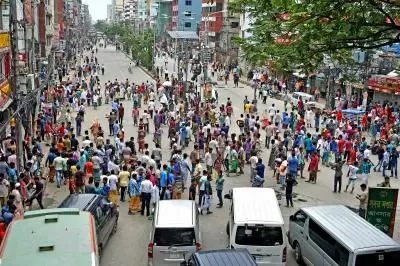
Workers blocked the Dhaka-Mymensingh highway at Chhaydana and Hariken at 9:45 am local time on Wednesday.
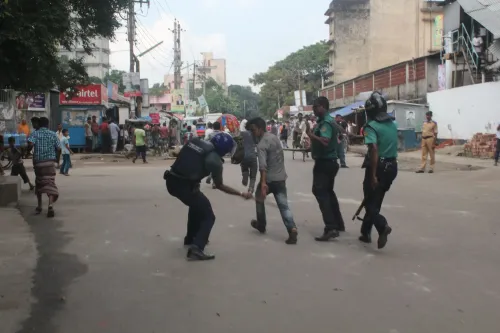
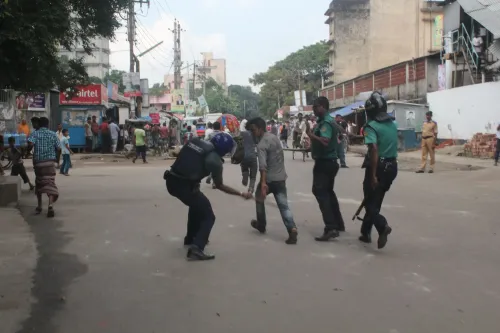
Protests spread across Chandna Chourasta, Jarun, Naojor, Konabari, Kashimpur and other areas on Tuesday, turning violent with brick-throwing, tear gas and sound grenades .
Police, BGB personnel, garment workers and journalists were among those injured in Tuesday's clashes.
Authorities had already ordered 70 factory closures on Tuesday to curb further unrest.
The unrest is rooted in workers' demand for higher wages — a persistent fault line in Bangladesh's export-critical RMG sector.
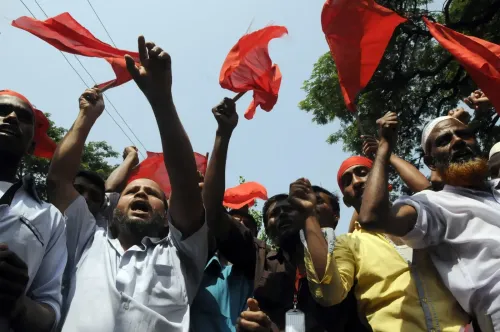
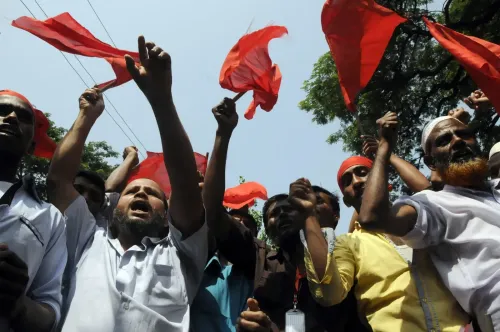
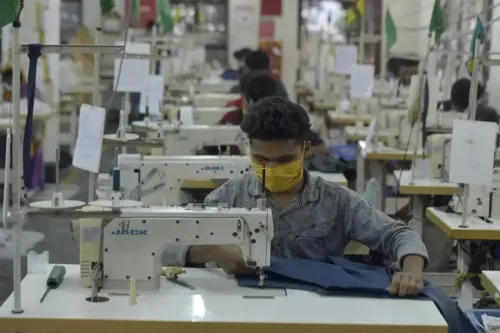
Dozens of factories in Gazipur, Bangladesh, were shuttered indefinitely on Wednesday, 18 November 2026, as garment workers blocked the Dhaka-Mymensingh highway for the second consecutive day, demanding higher wages. The unrest, centred in the industrial belt around Gazipur city, has brought traffic to a standstill and triggered escalating clashes involving security forces over three straight days.
Scale of Disruption
Workers from several factories in the Chhaydana area of Gazipur city blocked the highway at Chhaydana and Hariken at 9:45 am local time on Wednesday, paralysing commuter traffic. According to reports citing Superintendent of Police for the Gazipur industrial zone, Amjad Hossain, 10 factories declared a holiday on Wednesday while 39 factories were shut indefinitely, based on information received the previous day. On Tuesday, authorities had already ordered the closure of 70 factories in Gazipur to prevent further unrest from spreading.
Who Is Protesting and Where
Workers from Golden Refit Garments in Bagher Bazar, SM Knit Wear in the Notun Bazar area of Sreepur, and Fakira Garments in Bhabanipur stopped work and held peaceful sit-ins on their factory floors. Workers from two additional garment factories also demonstrated in Konabari. On Tuesday, protests spread across multiple locations including Chandna Chourasta, Jarun, Naojor, Chhaydan, Konabari, Kashimpur, Bhogra, and Apada — indicating the wage grievance is widespread across the industrial zone.
Clashes and Security Response
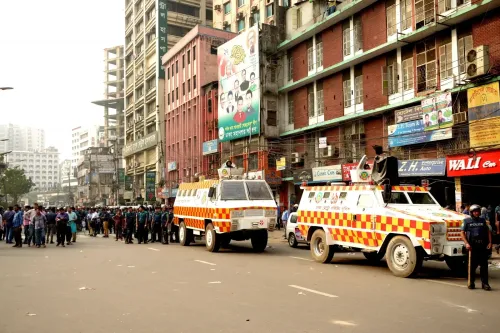
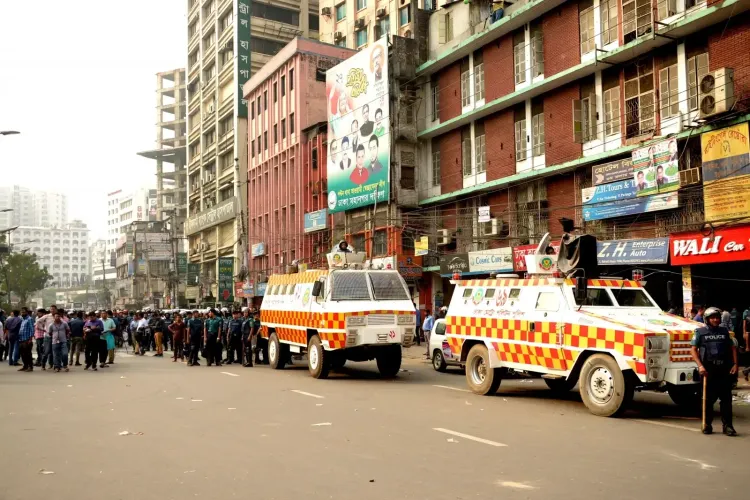
Tuesday's protests turned violent, with clashes involving brick-throwing, tear gas, and sound grenades. Several people were injured, including police officers, garment workers, and journalists. On Monday, police and Border Guard Bangladesh (BGB) personnel were deployed after workers from ABM Fashion and Jamuna factories in Konabari blocked the Konabari-Kashimpur road. When workers became agitated and refused to clear the road, police fired tear gas and sound grenades to disperse them. Order was subsequently restored in that area. Superintendent Hossain stated that authorities were making efforts to bring the broader situation under control.
Why It Matters
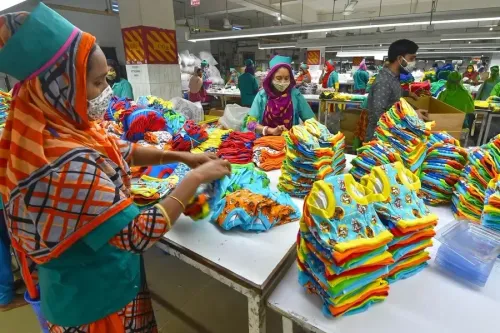
Bangladesh's ready-made garment (RMG) sector is the backbone of its export economy, contributing nearly 80% of the country's total export earnings. Recurrent wage disputes and factory closures directly threaten delivery timelines for global fashion brands sourcing from the country. This is not the first such wave of unrest in Gazipur — periodic wage protests have disrupted the sector for years, underscoring the persistent gap between workers' living costs and statutory minimum wages. The current episode follows a pattern of labour action that escalates quickly when wage revision cycles fail to keep pace with inflation.
What Happens Next
With 39 factories closed indefinitely and workers showing no signs of standing down, all eyes are on government and factory-owner negotiations. If the highway blockade continues, supply chain disruptions could extend to export shipments. The situation remains fluid, and further security deployments cannot be ruled out if demonstrations intensify.
Point of View
The cost of inaction is rising. The real question is not whether workers will return to the floor this week, but whether Bangladesh can build a durable wage-revision mechanism before a prolonged shutdown tests the patience of its biggest export buyers.
NationPress
18 Nov 2026
Frequently Asked Questions
Why are Bangladesh garment workers protesting in Gazipur?
Workers are demanding higher wages and have blocked roads and held sit-ins to press their case. The protests began earlier in the week and escalated by Wednesday, 18 November 2026, with dozens of factories in Gazipur shut indefinitely.
How many factories have been closed in Gazipur?
As of Wednesday, 39 factories had been shut indefinitely and 10 others declared a holiday, according to Gazipur industrial zone Superintendent of Police Amjad Hossain. Authorities had also ordered the closure of 70 factories on Tuesday to prevent further unrest.
Which factories and areas are affected?
Workers from Golden Refit Garments, SM Knit Wear, Fakira Garments, ABM Fashion, and Jamuna factories were among those protesting. Affected areas include Chhaydana, Konabari, Kashimpur, Chandna Chourasta, and several other parts of Gazipur.
Were there any injuries during the protests?
Yes. During Tuesday's clashes, several people were injured, including police officers, garment workers, and journalists, as protesters threw bricks and security forces deployed tear gas and sound grenades.
Why does garment worker unrest in Bangladesh matter globally?
Bangladesh's ready-made garment sector accounts for approximately 80% of the country's total export earnings and supplies major global fashion brands. Factory shutdowns and highway blockades disrupt supply chains and can delay export shipments, with knock-on effects for international retailers.