Pakistan's 'Drama Diplomacy' Exposed: Asim Munir's Gulf Role Minimal
Synopsis
Pakistan Army Chief Asim Munir's 'drama diplomacy' in the Gulf is being called out as hollow face-saving theatre. With US-Iran nuclear talks on the verge of a second collapse and Iran refusing maximalist US demands, Pakistan's self-projected mediator role carries near-zero strategic weight — exposing Islamabad's dwindling Gulf influence.
Key Takeaways
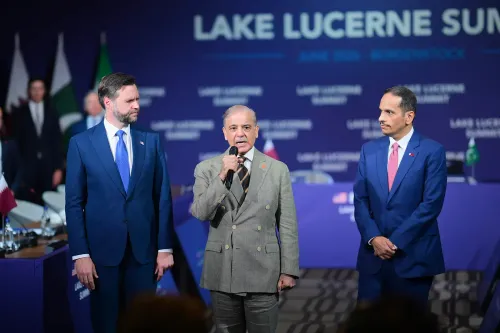
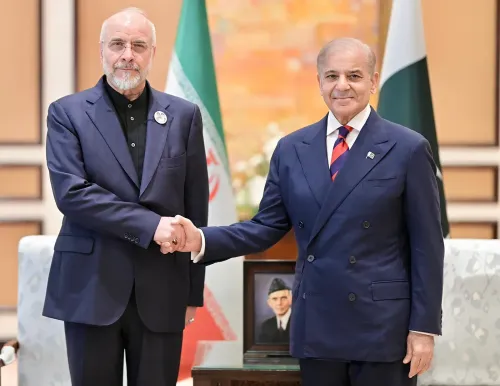
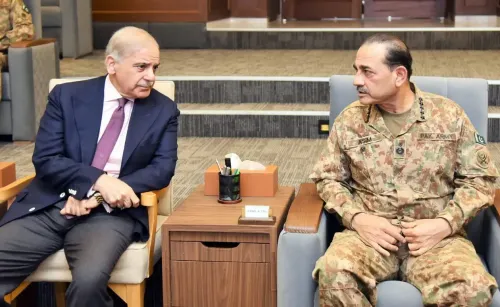
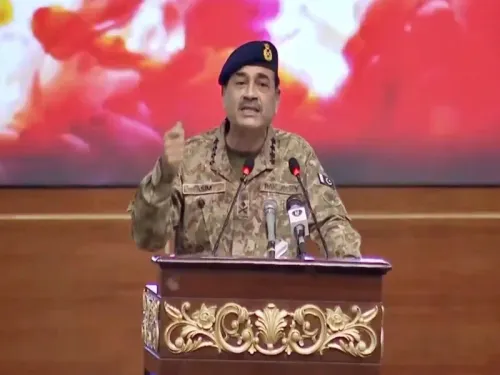
Pakistan Army Chief General Asim Munir is leading a 'drama diplomacy' push to position Islamabad as a mediator in the US-Iran nuclear standoff in April 2025 .
The first round of US-Iran talks has collapsed, and the anticipated second round is described as already on the brink of failure due to Iran's unwillingness to negotiate further.
Iran retains asymmetric warfare capabilities that give Tehran significant leverage to resist US coercive pressure , unlike historical precedents such as North Vietnam .
Both sides hold maximalist negotiating positions — Iran seeks major concessions while the US demands a long-term halt or complete abandonment of Iran's nuclear and missile programme .
Pakistan's diplomatic role is assessed as that of a messenger only , with even this limited influence at risk if talks fully collapse, threatening Islamabad's Gulf credibility .
A complete breakdown in negotiations could further weaken Pakistan's ties with Gulf nations , on which it is heavily dependent for remittances and financial support .
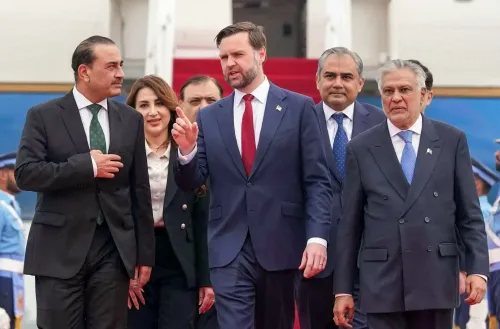
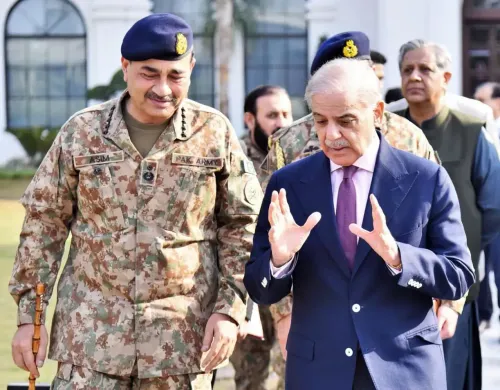
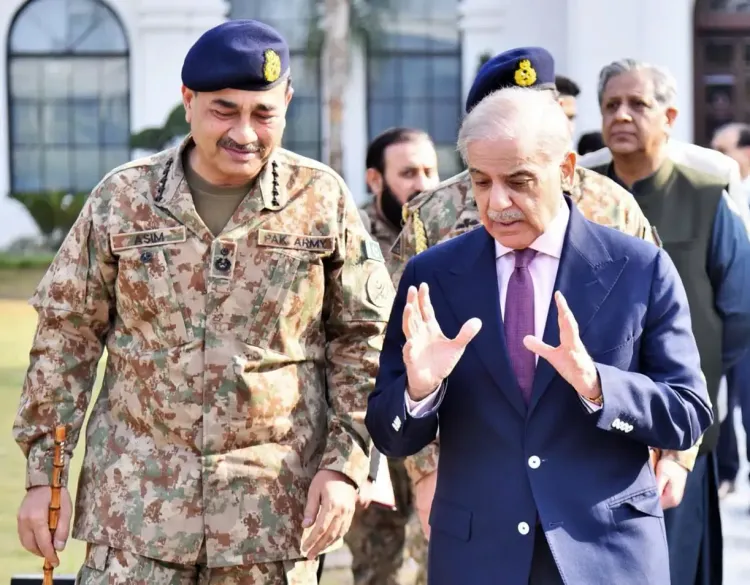
Islamabad, April 25: Pakistan's so-called 'drama diplomacy', spearheaded by Army Chief General Asim Munir, is being widely assessed as a desperate face-saving manoeuvre following the breakdown of the first round of US-Iran nuclear negotiations. Analysts warn that Islamabad's push to insert itself as a mediator in the West Asia conflict carries negligible strategic weight and risks further eroding Pakistan's credibility in the Gulf region.
Pakistan's Theatrics in a Shifting Gulf Landscape
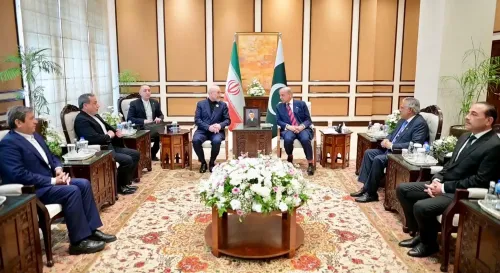
According to a detailed analysis by India Narrative, Pakistan is staging elaborate diplomatic theatre by championing a second round of US-Iran talks — a round that is already on precarious ground. The report bluntly describes Islamabad's posturing as an attempt to project itself as a key player in Gulf conflict management while simultaneously trying to reassert its dwindling regional influence.
"After the collapse of the first round of talks, the second round is on the horizon and is almost on the brink of collapse, as Iran is unwilling to negotiate further with the US," the report stated. It added that Pakistan is exploiting this tense diplomatic vacuum to perform its own theatrics rather than contribute substantive solutions.
The report characterised the broader diplomatic environment as a "conundrum drama" — one where the exit process is being progressively delayed due to the absence of genuine flexibility on either side, making any real breakthrough increasingly elusive.
US Coercive Tactics and Iran's Asymmetric Leverage
The United States, according to the analysis, appears to be reverting to a familiar playbook — this time deploying coercive tactics and a visible show of military force in the Strait of Hormuz to pressure Tehran back to the negotiating table. However, analysts note this approach is fundamentally flawed given the current power dynamics.
Unlike historical precedents such as North Vietnam, Iran retains formidable asymmetrical warfare capabilities that provide Tehran with significant leverage to resist external pressure. This asymmetry fundamentally undermines Washington's coercive diplomacy strategy.
The negotiating positions remain deeply maximalist on both sides. Iran is demanding substantial concessions rather than incremental gains, while Washington insists on sweeping demands — ranging from a long-term freeze to the complete dismantlement of Iran's nuclear and missile programme. The result is a diplomatic stalemate where flexibility is structurally absent.
"This time around, Iran will not be walking away from the table with consolation prizes. They are seeking an exit on their own terms, which provides long-term strategic and security assurances — making the US's prospects of securing a deal a far more dangerous gamble," the report warned.
Asim Munir's Face-Saving Gamble and Pakistan's Credibility at Stake
The stakes for General Asim Munir personally are considerable. A complete collapse of the US-Iran talks would not only expose the futility of Pakistan's mediatory ambitions but could also inflict lasting damage on Islamabad's standing with Gulf Cooperation Council (GCC) nations — relationships that Pakistan depends on heavily for remittances, investments, and strategic partnerships.
"While Pakistan's role is limited to that of a messenger, even this minor diplomatic influence is at stake in the Gulf; hence, the fear is real for Asim Munir," the report noted pointedly. This is a stark admission that Pakistan lacks the institutional depth, economic clout, or strategic leverage to serve as a genuine power broker in West Asia.
Notably, this is not the first time Pakistan has attempted to punch above its diplomatic weight in the Middle East. Islamabad previously sought to position itself as a mediator during the Saudi-Iran rivalry, only to find its influence severely constrained by its own economic vulnerabilities and dependence on Gulf aid. The pattern of performative diplomacy with limited delivery has become a recurring feature of Pakistan's foreign policy under military-dominated governance.
Broader Implications for Regional Stability
The deeper strategic picture, as the report outlines, is one where maximalist-driven interests and coercion are actively destabilising peace efforts in the Gulf. The delicate art of conflict resolution requires a balance of power and genuine flexibility — two elements conspicuously absent from the current US-Iran equation.
For India, which has significant energy and diaspora interests in the Gulf, an extended period of instability in the region carries real economic consequences — from crude oil price volatility to disruptions in remittance flows from the Indian diaspora in Gulf nations. New Delhi, unlike Islamabad, has maintained a calibrated and non-theatrical approach to West Asia diplomacy, which analysts argue has yielded far more durable results.
As the prospect of a second round of US-Iran talks hangs in the balance, all eyes will be on whether Tehran agrees to re-engage — and whether Pakistan's messenger role survives the diplomatic turbulence or quietly fades into irrelevance.
Point of View
Using Gulf optics to project relevance that Pakistan no longer commands economically or strategically. The irony is sharp: a nation dependent on Gulf remittances to survive is attempting to act as the Gulf's peacemaker. India, by contrast, has built genuine West Asia equity through trade, energy partnerships, and diaspora strength — without the theatrics. Islamabad's messenger diplomacy risks accelerating the very credibility erosion it is desperately trying to prevent.
NationPress
13 Oct 2026
Frequently Asked Questions
What is Pakistan's 'drama diplomacy' in the West Asia conflict?
Pakistan's 'drama diplomacy' refers to Army Chief General Asim Munir's efforts to position Pakistan as a key mediator in the US-Iran nuclear negotiations despite having limited strategic leverage. Analysts describe it as a face-saving exercise aimed at projecting influence in the Gulf rather than delivering substantive diplomatic outcomes.
Why did the first round of US-Iran nuclear talks collapse in 2025?
The first round of US-Iran talks collapsed due to irreconcilable maximalist positions on both sides — Iran demanding major concessions while the US sought a complete freeze or abandonment of Iran's nuclear and missile programmes. The absence of flexibility and Iran's asymmetric warfare leverage made a breakthrough impossible.
What is Pakistan's actual role in US-Iran negotiations?
Pakistan's role is largely limited to that of a messenger rather than a substantive mediator, according to analysts. Islamabad lacks the economic clout, strategic depth, or institutional credibility to influence either Washington or Tehran's core negotiating positions.
How does the West Asia conflict affect Pakistan's Gulf relations?
A collapse in US-Iran talks could significantly damage Pakistan's credibility with Gulf Cooperation Council nations, on whom Islamabad depends for critical remittances and financial aid. General Asim Munir's diplomatic overreach risks accelerating Pakistan's marginalisation in the region.
Why is Iran refusing to negotiate further with the US in 2025?
Iran is refusing further negotiations because it believes the US's demands are maximalist — seeking a complete halt or abandonment of its nuclear and missile programme — while offering limited concessions in return. Tehran's asymmetric military capabilities give it the leverage to resist US coercive pressure and hold out for terms that guarantee long-term strategic security.