Bangladesh gas crisis: Dhaka households pay bills, get no supply for months
Synopsis
Dhaka residents are paying monthly gas bills of up to Tk 1,080 while receiving no gas for two to four months — a consumer paradox at the heart of Bangladesh's deepening energy crisis. With a daily supply deficit exceeding 100 crore cubic feet and the Moheshkhali LNG terminal still crippled by a July fire, there is no quick fix in sight, and the textile sector is already taking collateral damage.
Key Takeaways
Dhaka households have endured gas shortages for two to three months while continuing to pay monthly bills to Titas Gas .
Daily gas demand in Bangladesh is around 380 crore cubic feet against a supply of only 265–270 crore cubic feet , per Petrobangla figures.
A 21 July fire at Excelerate Energy's Moheshkhali floating LNG terminal cut grid supply by around 450 million cubic feet per day .
Lalbagh resident Faria Ahmed Borsha reported paying Tk 1,080 monthly for three to four months with virtually no gas received.
Textile, knitwear, dyeing, and finishing factories have halted or reduced production due to the shortage.
CAB vice-president SM Nazer Hossain has called on the government to stop charging full bills for undelivered service and to produce a concrete fuel-crisis plan.
Residents across several areas of Dhaka have endured an acute gas shortage for the past two to three months, forcing families to spend more on electricity, LPG cylinders, and restaurant meals even as they continue paying their regular monthly gas bills, according to local media reports on Friday, 18 September 2026. The prolonged crisis has sparked growing consumer outrage over what critics describe as payment for a service that is simply not being delivered.
What Households Are Facing
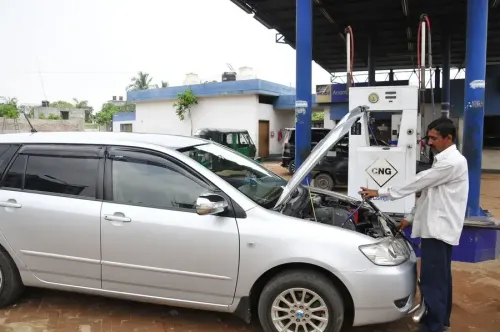
Residents of Dhanmondi reported receiving no gas for two months while continuing to pay monthly bills to Titas Gas, Bangladesh's state-owned natural gas distributor. In Lalbagh, housewife Faria Ahmed Borsha said her family had received virtually no gas for three to four months but was still paying Bangladeshi taka (Tk) 1,080 every month. Similar experiences have been reported across multiple Dhaka neighbourhoods, where households are relying on costlier alternatives to meet daily cooking and heating needs while continuing to pay for an unavailable service.
The Supply Gap Behind the Crisis
The household hardship reflects a wider national shortfall. According to Petrobangla figures cited in media reports, daily gas demand in Bangladesh stands at around 380 crore cubic feet, against a supply of only 265–270 crore cubic feet — a deficit of more than 100 crore cubic feet every day. The crisis deepened after a 21 July fire that damaged electrical systems at Excelerate Energy's floating LNG terminal in Moheshkhali, cutting national grid supply by around 450 million cubic feet per day. Partial supply was later restored, but the disruption compounded existing shortages. Titas Gas has reportedly warned consumers that extremely low gas pressure will persist across its distribution network until LNG imports improve.
Industries Hit Alongside Households
The shortage is rippling across Bangladesh's industrial sector as well. Textile, knitwear, dyeing, and finishing factories — which are heavily dependent on gas — have been among the hardest hit. Some units have halted production entirely, while others are running well below normal capacity. The disruption poses a risk to export timelines in one of Bangladesh's most critical foreign-exchange-earning industries.
Consumer Groups Demand Accountability
SM Nazer Hossain, vice-president of the Consumers Association of Bangladesh (CAB), argued that consumers should not be required to pay full bills when the promised service is not being delivered. 'The government has committed to providing uninterrupted gas connections. But you are not providing that service. Then why should you collect the full bill?' he said. Nazer also highlighted that the additional household expenses were particularly burdensome for salaried workers whose incomes do not rise in step with rising costs. 'There should be a specific plan from the government to deal with the fuel crisis. But we do not see any such specific plan from the government. We have never seen one,' he added. Experts have noted that no immediate remedy exists, though expanding domestic gas production could offer some relief over the longer term. With the Moheshkhali LNG terminal still operating below full capacity and demand consistently outpacing supply, households across Dhaka are unlikely to see meaningful relief in the near term.
Point of View
Now cruelly exposed by a single terminal fire. The real accountability gap is that Titas Gas continues to collect full bills for a service it cannot provide, with no regulatory mechanism forcing refunds or even reduced charges. The absence of any government crisis plan, as CAB has noted, is not just a policy failure — it signals that households and factories will be left to absorb the shortfall indefinitely. For a garment-export economy where power and energy reliability are competitive necessities, this crisis is also a slow-moving threat to Bangladesh's place in global supply chains.
NationPress
18 Sept 2026
Frequently Asked Questions
Why is Dhaka facing a gas shortage in 2026?
Dhaka's gas shortage stems from a national supply deficit where daily demand of around 380 crore cubic feet far outstrips supply of 265–270 crore cubic feet. The crisis worsened after a 21 July fire at Excelerate Energy's floating LNG terminal in Moheshkhali cut grid supply by around 450 million cubic feet per day.
Do Dhaka residents still have to pay gas bills during the shortage?
Yes — households across Dhaka continue to pay monthly bills to Titas Gas despite receiving little or no supply. The Consumers Association of Bangladesh has publicly questioned why consumers should pay full bills for a service that is not being delivered, calling on the government to intervene.
Which industries are affected by Bangladesh's gas crisis?
Textile, knitwear, dyeing, and finishing factories are among the hardest hit, with some halting production entirely and others running below normal capacity. These are critical sectors for Bangladesh's export economy, making the disruption a broader economic concern.
When will Bangladesh's gas crisis be resolved?
Experts say there is no immediate remedy for the crisis. Titas Gas has warned that extremely low gas pressure will persist until LNG supply improves. Expanding domestic gas production has been cited as a longer-term solution, but no specific government plan has been announced.
What has the Consumers Association of Bangladesh demanded?
CAB vice-president SM Nazer Hossain has demanded that consumers not be charged full bills when gas service is not being delivered, as the government has committed to uninterrupted supply. He has also called for a concrete government plan to address the fuel crisis, saying none has ever been forthcoming.