Bangladesh's 1971 Liberation ideals face democratic governance test in 2024
Synopsis
A country founded on resistance to authoritarian rule keeps confronting authoritarian tendencies in its own governments — that is the central irony a new report surfaces about Bangladesh. With the July 2024 uprising now being claimed by multiple political factions, the report warns that no single group can permanently own a people's movement, and that the 1971 Liberation's ideals demand accountability from every administration, not just the ones it replaced.
Key Takeaways
A report in Bangladeshi newspaper Daily Sun highlights the recurring tension between Bangladesh's 1971 Liberation ideals and its democratic governance record.
The July 2024 uprising has become the subject of competing political interpretations, with multiple groups claiming association with its aspirations.
The Awami League's leadership role in the 1971 Liberation War is acknowledged, but the report implies this does not exempt any party from present-day democratic accountability.
During the 1971 Liberation War , the Pakistan Army was assisted by local collaborators including the Razakar , Al-Badr , and Al-Shams forces, with individuals from Jamaat-e-Islami reportedly involved.
The report warns that the meaning of mass movements should not be reduced to the interests of political organisations alone.
Bangladesh's founding ideals — forged through the 1971 Liberation War against Pakistan — are once again under scrutiny, as a report highlights a recurring tension between the country's democratic aspirations and the governance patterns of successive administrations. The report, published in Bangladeshi newspaper Daily Sun, draws attention to the political shifts surrounding the July 2024 uprising and what they mean for the country's democratic trajectory.
The Core Tension: Liberation Ideals vs Governance Reality
The 1971 Liberation War was fought, according to the report, not to entrench any single party in permanent power, but to secure the people's right to hold every government accountable. Yet Bangladesh has, at various points in its history, faced criticism for authoritarian tendencies — a painful irony for a nation born out of resistance to exactly that.
'The greatest irony of Bangladesh's political history is that a country founded on resistance to authoritarian rule has repeatedly confronted concerns over democratic governance,' the report noted. Different administrations have, at various times, been criticised for eroding institutions, curbing political competition, and concentrating power.
The July 2024 Uprising and Competing Narratives
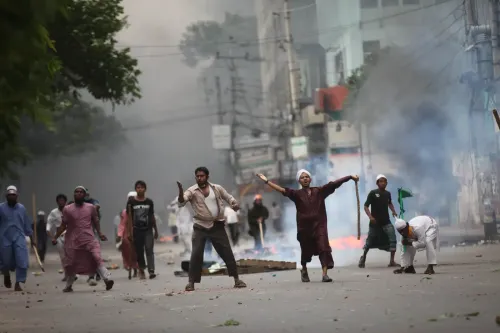
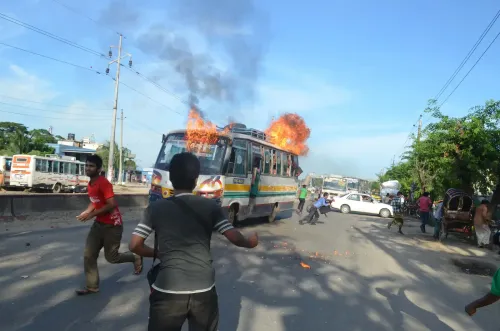
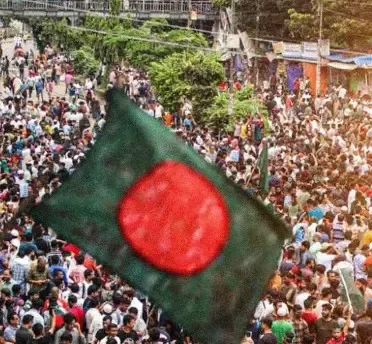
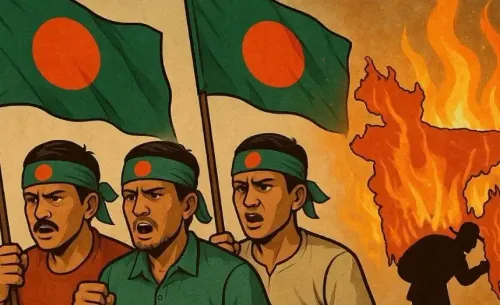
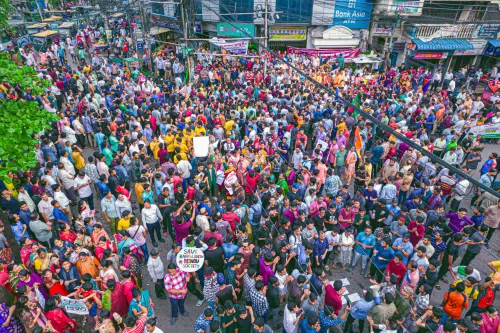
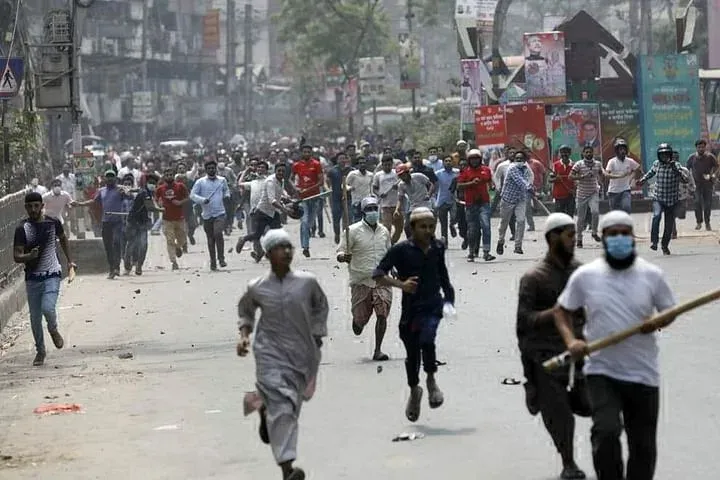
The political changes surrounding the July 2024 uprising have become, according to the report, a flashpoint for competing interpretations. Multiple political groups have sought to claim association with its aspirations and highlight their own contributions — a dynamic the report describes as natural but potentially distorting.
'Like all major moments in history, July 2024 has become the subject of competing interpretations. No single group can permanently own a people's movement,' the report stated. It stressed that the strength of a mass uprising lies with ordinary citizens — students, workers, families, and communities — and that its meaning should not be reduced to the interests of political organisations alone.
The Awami League's Place in History
The report acknowledged the Awami League's central role in the independence movement, noting that its leadership during 1971 'cannot be separated from the country's national story.' The sacrifices of its leaders and supporters remain an important part of Bangladesh's historical record.
This recognition, however, does not insulate any party from accountability in the present, the report implied — a point that carries particular weight given ongoing debates about democratic governance in Dhaka.
Violence of 1971: The Pakistani Army and Local Collaborators
The report revisited the scale of atrocities during the Liberation War. Dhaka University was among the first targets, with students, teachers, intellectuals, police personnel, and ordinary citizens killed. Villages across the country were attacked, communities terrorised, and millions forced to flee their homes.
While the Pakistan Army was the primary instrument of this violence, it was assisted, according to historical accounts cited in the report, by local collaborators and auxiliary organisations — including the Razakar, Al-Badr, and Al-Shams forces. Many individuals affiliated with Jamaat-e-Islami and its student wing were reportedly involved in these networks. At the time, Jamaat opposed the independence struggle and advocated for a united Pakistan. 'The collaboration between the military authorities and these groups remains one of the most painful aspects of Bangladesh's history,' the report stressed.
What This Means Going Forward
The report's broader message is one of historical vigilance: that the legitimacy drawn from 1971 cannot be used indefinitely to shield any political actor from democratic scrutiny. As Bangladesh navigates the aftermath of the July 2024 political upheaval, the question of who gets to define the liberation's legacy — and on whose terms — will remain central to its democratic future.
Point of View
Then faces the same accusations of democratic backsliding it levelled at its predecessor. The July 2024 uprising is already being absorbed into this cycle, with factions racing to claim its legacy before its meaning can settle. The harder question — whether any administration has built institutions strong enough to outlast its own political interests — remains unanswered. Until it is, the liberation's founding promise will keep colliding with the reality of governance in Dhaka.
NationPress
16 Oct 2026
Frequently Asked Questions
What is the significance of Bangladesh's 1971 Liberation War?
The 1971 Liberation War was fought against Pakistan to secure Bangladesh's independence and establish the people's right to hold every government accountable. The sacrifices made during the war — including mass atrocities carried out by the Pakistan Army against civilians, students, and intellectuals — remain the defining event of Bangladesh's national identity.
What was the July 2024 uprising in Bangladesh?
The July 2024 uprising refers to a significant political upheaval in Bangladesh that has since become the subject of competing interpretations by different political groups. According to reports, multiple factions have sought to claim association with its aspirations, raising concerns that the movement's broader democratic meaning could be narrowed to serve partisan interests.
Who were the Razakar, Al-Badr, and Al-Shams forces?
The Razakar, Al-Badr, and Al-Shams were auxiliary organisations that, according to historical accounts, collaborated with the Pakistan Army during the 1971 Liberation War. Individuals affiliated with Jamaat-e-Islami and its student wing were reportedly involved in these networks; at the time, Jamaat opposed Bangladesh's independence and supported a united Pakistan.
Why has Bangladesh been criticised for democratic governance despite its liberation history?
Different administrations in Bangladesh have, at various times, been criticised for eroding institutions, curbing political competition, and concentrating power — a pattern that the Daily Sun report describes as the greatest irony of a country founded on resistance to authoritarian rule. No single government has been exempt from these concerns.
What does the Daily Sun report say about political ownership of mass movements?
The report cautions that no single political group can permanently own a people's movement. It argues that the strength of mass uprisings comes from ordinary citizens — students, workers, and communities — and that reducing their meaning to the interests of political organisations alone distorts both history and democratic accountability.