Bessent warns G20: Subsidies and export dependence fuelling global economic tensions
Synopsis
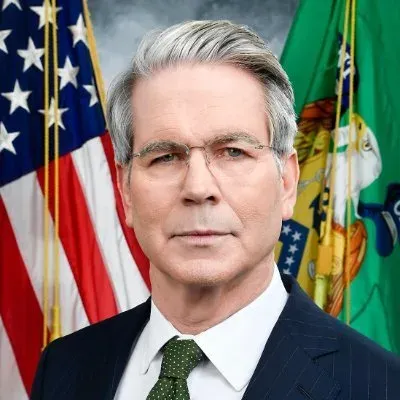
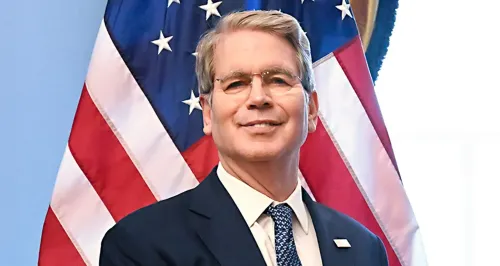
US Treasury Secretary Scott Bessent told G20 economies in Asheville that global imbalances are no accident — they are the cumulative result of deliberate policy choices on subsidies, market access and exchange rates. With G20 deputies already aligned on key principles since April, the pressure is now on both surplus and deficit nations to act — and on the IMF and OECD to sharpen their surveillance teeth.
Key Takeaways
US Treasury Secretary Scott Bessent warned G20 economies on 2 September that subsidies, restricted market access and export dependence are fuelling global economic tensions.
Bessent said imbalances are 'the cumulative result of policy choices' — not accidental — placing accountability on national governments.
G20 deputies working since April reached broad agreement that imbalances are most damaging when excessive, persistent and unjustified by macroeconomic fundamentals.
Both surplus and deficit economies were identified as having a shared responsibility to address the problem.
Bessent called on the IMF and OECD to strengthen surveillance and stay focused on their core economic mandates, warning against 'ideological excursions'.
Financial sector risks were also flagged, with Bessent urging continued vigilance among G20 members.
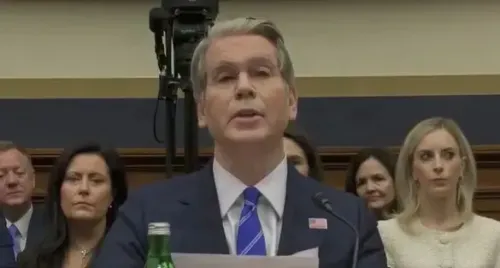
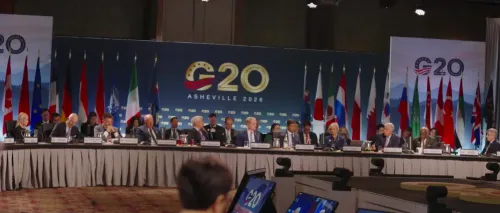
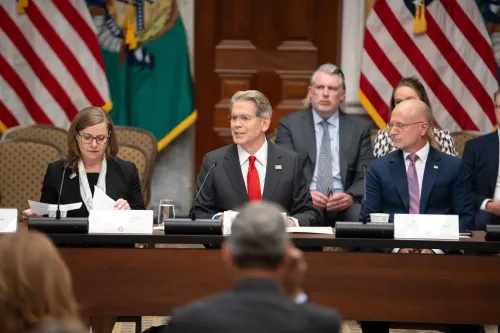
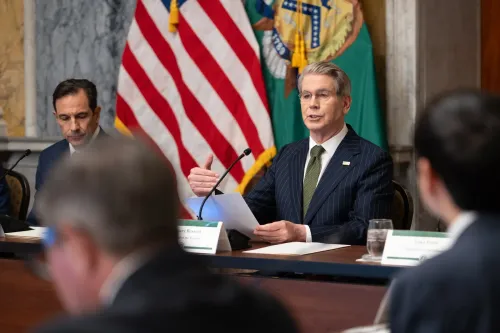
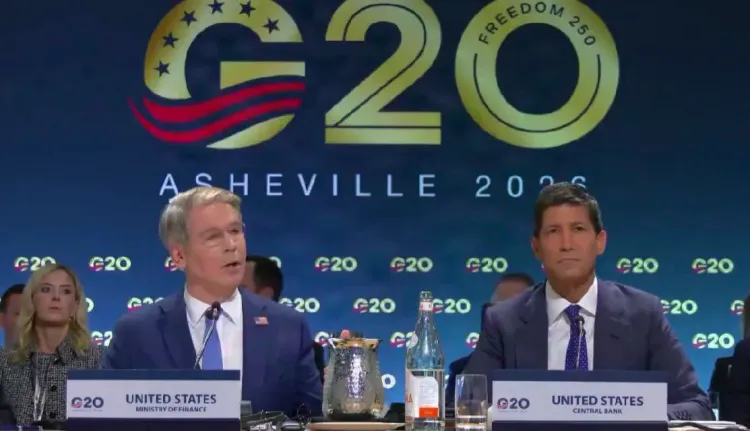
US Treasury Secretary Scott Bessent on 2 September issued a pointed warning to G20 economies, saying persistent global imbalances — driven by subsidies, restricted market access and over-reliance on export-led growth — are hurting workers, concentrating supply chains and generating economic tensions that spill across borders. Bessent made the remarks while addressing a G20 session on global imbalances in Asheville.
The Core Warning
Bessent argued that durable, sustainable growth requires economies to compete on productivity, innovation and investment — not on policies that flood international markets with excess production. He was unambiguous about the consequences of the current trajectory.
'Excessive and persistent imbalances inhibit growth, deepen economic vulnerabilities, and spill across borders in many ways to strain global prosperity,' Bessent told the meeting. He added that the problem was especially acute when non-market policies produced weak domestic consumption, distorted investment patterns and an outsized dependence on exports for economic growth.
Policy Choices, Not Accidents
A central theme of Bessent's remarks was accountability. He placed responsibility squarely on national governments, contending that global imbalances are the product of deliberate and cumulative policy decisions — not incidental economic outcomes.
'Global imbalances do not arise by accident. They're the cumulative result of policy choices on savings, consumption, investment, subsidies, market access, and exchange rates,' he said. 'When those choices distort competition, the costs are born by workers, businesses, and supply chains around the globe,' he added.
G20 Deputies Reach Broad Agreement
G20 deputies and technical officials, who have been working on the issue since April, reached broad agreement on several principles, according to Bessent. Members agreed that imbalances are most concerning when they are excessive, persistent and larger than underlying macroeconomic fundamentals can justify. Such imbalances, the group found, can produce damaging spillovers for other economies and increase overall economic vulnerabilities.
Notably, both surplus and deficit economies were identified as having a shared interest in corrective action — placing responsibility at both ends of global trade and financial imbalances, not just on deficit nations.
Role of IMF and OECD
The discussions also recognised a significant role for the International Monetary Fund (IMF) and the Organisation for Economic Co-operation and Development (OECD) in monitoring imbalances and recommending corrective policies. Bessent called for greater rigour in their surveillance and policy advice, saying stronger assessments could build the case for domestic action by G20 members.
He also urged these institutions to remain focused on their core economic mandates. 'That worked the strongest when these institutions remain disciplined around their mission instead of devoting disproportionate time and resources to ideological excursions,' Bessent said.
What Comes Next
The G20 session was expected to examine specific policy measures being undertaken by member and invited countries to reduce excessive and persistent imbalances. Bessent also flagged potential risks to the financial sector, calling for continued vigilance. The Group of 20 — whose members account for most of the world's economic output and international trade — includes India, the United States, China, Japan, Germany and Brazil, among others. Further deliberations on the policy framework are expected in the coming months.
Point of View
Without naming names, at economies whose growth models rest on suppressed consumption and export surpluses. The framing that 'imbalances do not arise by accident' is a direct challenge to countries that have long presented their trade positions as natural market outcomes. What is striking is the bilateral pressure: by insisting that both surplus and deficit economies share responsibility, Bessent pre-empts the usual deflection. The call for IMF and OECD rigour — combined with the warning against 'ideological excursions' — signals that Washington wants these institutions to be sharper economic watchdogs, not broader policy advocates. Whether G20 consensus translates into measurable domestic policy shifts, or remains a communiqué-level agreement, is the real question.
NationPress
17 Oct 2026
Frequently Asked Questions
What did US Treasury Secretary Scott Bessent say at the G20 meeting?
Bessent warned G20 economies that persistent global imbalances — driven by subsidies, restricted market access and export dependence — are hurting workers, weakening supply chains and generating cross-border economic tensions. He argued these imbalances are the result of deliberate national policy choices, not accidental economic outcomes.
Where and when did Bessent make these remarks?
Bessent addressed a G20 session on global imbalances in Asheville on 2 September. The meeting brought together G20 deputies and technical officials who have been working on the issue since April.
What agreement did G20 deputies reach on global imbalances?
G20 deputies reached broad agreement that imbalances are most concerning when they are excessive, persistent and larger than underlying macroeconomic fundamentals can justify. They also agreed that prolonged imbalances can impede growth and increase economic vulnerabilities for other economies.
What role did Bessent assign to the IMF and OECD?
Bessent called for the IMF and OECD to strengthen their surveillance of member economies and sharpen their policy recommendations. He urged both institutions to stay focused on their core economic mandates rather than, in his words, 'ideological excursions'.
Which countries are part of the G20?
The G20 includes major developed and emerging economies such as India, the United States, China, Japan, Germany and Brazil. Its members collectively account for the majority of the world's economic output and international trade.