British Kashmiris protest in UK over PoK crackdown, urge Pak to halt civilian killings
Synopsis
British Kashmiri communities took their outrage to the streets of London, Manchester, Bradford and Birmingham on 10 November 2026, protesting reported killings of women and children by Pakistani forces in PoK's Rawalakot. The JAAC's formal memorandum to PM Shehbaz Sharif — invoking six UN experts and citing 205 civilians placed on Pakistan's terror watchlist — signals the crisis has moved well beyond a local grievance into an international human rights flashpoint.
Key Takeaways
British Kashmiris staged protests outside Pakistani diplomatic missions in London , Manchester , Bradford , and Birmingham on 10 November 2026 .
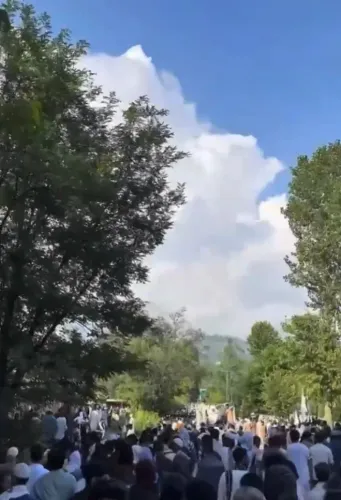
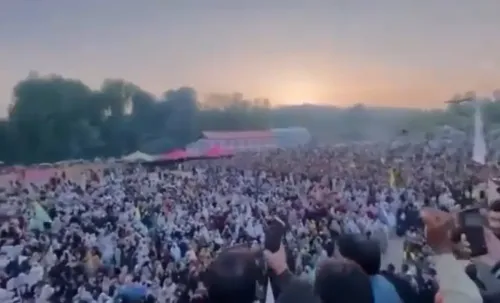
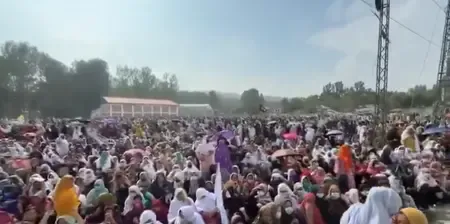
Protests were triggered by reports of Pakistani forces opening fire and conducting drone strikes against peaceful protesters in Rawalakot, PoK , killing several people including women and children .
The Joint Awami Action Committee (JAAC) submitted an urgent memorandum to Pakistani PM Shehbaz Sharif demanding civilian protection, humanitarian access, and resumption of negotiations.
205 people have reportedly been placed on the Fourth Schedule of Pakistan's Anti-Terrorism Act, and the JAAC has been designated a terrorist organisation.
The memorandum invoked concerns raised by six UN Special Procedures over the human rights situation in PoK.
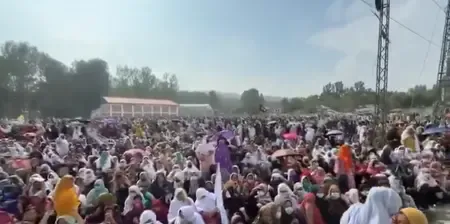
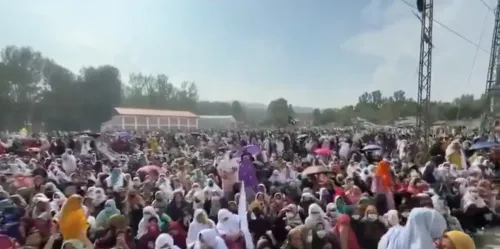
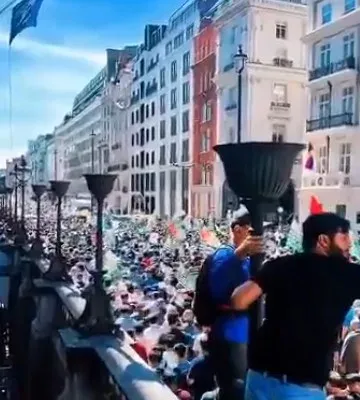
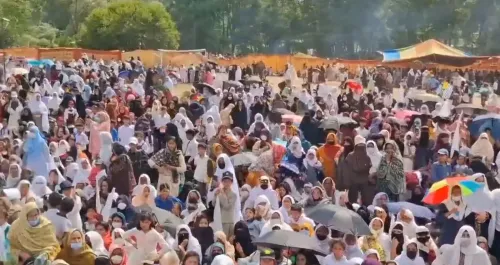
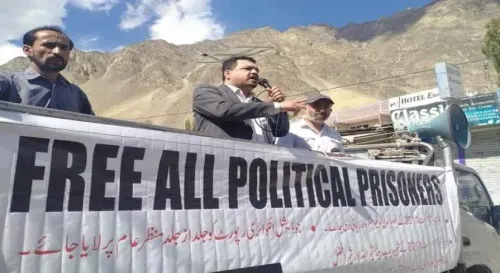
Several British Kashmiris staged coordinated protests across the United Kingdom on Monday, 10 November 2026, demonstrating outside Pakistani diplomatic missions in London, Manchester, Bradford, and Birmingham to demand an end to what they described as a brutal crackdown on civilians by Pakistani security forces in Rawalakot and other parts of Pakistan-occupied Kashmir (PoK).
What Triggered the Protests
The demonstrations followed reports that Pakistani security forces opened fire and conducted drone strikes against peaceful protesters in the Rawalakot region, reportedly killing several people — including women and children — and leaving dozens seriously injured in recent days. The incident on 5 November 2026 has been cited as the immediate trigger for the protests.
JAAC Memorandum to Shehbaz Sharif
According to the Joint Awami Action Committee (JAAC), a delegation of the British Kashmiri community formally submitted an urgent memorandum to Pakistani Prime Minister Shehbaz Sharif, calling for immediate protective measures. The memorandum demanded civilian protection, medical and humanitarian access, preservation of evidence, and the resumption of direct negotiations in PoK.
'We submit this renewed memorandum following fresh deaths, injuries and serious allegations arising from security operations in Rawalakot on 5 November 2026. The situation now requires direct humanitarian intervention. Delay risks further civilian harm, deepening alienation, deterioration of public order and the closing of the remaining space for peaceful dialogue,' the signatories stated.
UN Experts and Human Rights Concerns
The memorandum also highlighted concerns raised by six United Nations Special Procedures over the deteriorating human rights situation in PoK. Signatories cited the designation of the JAAC as a terrorist organisation under Pakistan's Anti-Terrorism Act, the placement of 205 people on its Fourth Schedule, alleged unlawful killings, excessive use of force, arbitrary arrests, and communications restrictions as matters demanding urgent response.
Notably, the memorandum stressed that firearms must never be used merely to disperse an assembly, and that intentional lethal force is only lawful where strictly unavoidable to protect life from an imminent threat — a principle the signatories argued was violated during the Rawalakot operations.
Key Demands and the Path Forward
The protest delegation's formal demands included protecting civilians, treating the wounded, preserving evidence, accounting for the detained and missing, reviewing proscription and Fourth Schedule measures, and responding to the United Nations. The memorandum also called for the resumption of authorised dialogue immediately.
'This memorandum is an appeal for timely leadership, lawful restraint and a credible political settlement. Pakistan's stated commitment to the rights and dignity of Kashmiris should now be demonstrated through protection, truth, accountability, due process and implementation of agreements,' the signatories added.
This comes amid a broader pattern of civil unrest in PoK, where the JAAC has previously led mass protest movements over taxes, subsidies, and governance grievances. The international dimension — with diaspora communities now formally engaging Pakistani diplomats on UK soil — marks an escalation in the global visibility of the PoK crisis. How Islamabad responds to both the memorandum and the UN experts' concerns will likely shape the next phase of this standoff.
Point of View
Designed to bring PoK's crisis into diplomatic spaces Pakistan cannot ignore. The invocation of six UN Special Procedures lends the JAAC's memorandum a legal weight that standard protest language lacks. Yet Islamabad has historically treated PoK governance as a domestic security matter, and the terrorist designation of the JAAC signals it intends to hold that line. The contradiction — Pakistan claiming to champion Kashmiri rights while placing 205 of their advocates on a terror watchlist — is precisely what the diaspora movement is now forcing into public view. How the UK government responds, and whether it allows this to remain a bilateral pressure point, will matter as much as Islamabad's reply.
NationPress
10 Nov 2026
Frequently Asked Questions
Why are British Kashmiris protesting in the UK over PoK?
British Kashmiris are protesting in response to reports that Pakistani security forces opened fire and carried out drone strikes against peaceful protesters in Rawalakot, Pakistan-occupied Kashmir, reportedly killing several people including women and children. The demonstrations were held on 10 November 2026 outside Pakistani diplomatic missions in London, Manchester, Bradford, and Birmingham.
What is the JAAC memorandum to Shehbaz Sharif about?
The Joint Awami Action Committee (JAAC) submitted an urgent memorandum to Pakistani Prime Minister Shehbaz Sharif calling for civilian protection, medical and humanitarian access, preservation of evidence, and the resumption of direct negotiations in PoK. It was submitted following reported deaths and injuries during security operations in Rawalakot on 5 November 2026.
What role have UN experts played in the PoK situation?
Six United Nations Special Procedures have reportedly raised concerns over the worsening human rights situation in PoK. The JAAC memorandum specifically urges Pakistan to respond to those concerns, which cover alleged unlawful killings, excessive force, arbitrary arrests, communications restrictions, and the designation of the JAAC as a terrorist organisation.
What is the Fourth Schedule of Pakistan's Anti-Terrorism Act and how does it relate to PoK?
The Fourth Schedule allows Pakistani authorities to place individuals under surveillance and impose movement restrictions under the Anti-Terrorism Act. According to the JAAC memorandum, 205 people linked to the PoK protest movement have been placed on this schedule, a measure the British Kashmiri protesters and UN experts have criticised as disproportionate and politically motivated.
What are the key demands made by British Kashmiri protesters?
The protesters and the JAAC memorandum collectively demanded civilian protection, treatment of the wounded, preservation of evidence, accountability for the detained and missing, a review of the JAAC's terrorist designation and Fourth Schedule placements, a formal response to the UN, and the immediate resumption of authorised dialogue between Pakistani authorities and PoK representatives.