Canada commits C$1.2 billion to ocean protection amid Pacific trade push
Synopsis
Canada is betting C$1.2 billion on a plan to protect its oceans while simultaneously building out Pacific ports and diversifying trade away from the US. Prime Minister Carney calls it one integrated plan — but with Roberts Bank Terminal 2 and surging shipping traffic on the horizon, the tension between growth and conservation is very real.
Key Takeaways
Canada announced a C$1.2 billion ocean protection investment on 30 September , covering marine monitoring, scientific research, and emergency response.
Prime Minister Mark Carney framed it as an integrated plan combining environmental conservation with trade diversification and job creation.
Infrastructure expansion includes the Port of Vancouver and the proposed Roberts Bank Terminal 2 , aimed at reducing reliance on the United States .
Canada has committed nearly C$260 million specifically to protect whales from vessel traffic and underwater noise.
Ottawa has cumulatively invested C$3.2 billion in marine protection and targets conserving 30 per cent of lands and oceans by 2030 .
The Arctic is warming at more than four times the global average rate, according to the Canadian government, heightening the urgency of ocean monitoring.
Canada has announced a C$1.2 billion investment to safeguard its oceans, unveiled as the country simultaneously accelerates port expansion, shipping infrastructure upgrades, and energy exports along its Pacific coast. The programme, confirmed on 30 September, is part of a national ocean strategy that Ottawa says will weave together environmental protection, trade diversification, and broader economic development into a single integrated plan.
What the Investment Covers
Prime Minister Mark Carney said the funding would strengthen marine monitoring systems, scientific research, ecosystem protection, and Canada's capacity to respond to accidents and emergencies at sea. The measures will also expand tools available to officials overseeing coastlines, marine habitats, and fisheries.
Critically, the package bolsters Canada's preparedness for oil spills, shipping accidents, and other marine incidents — risks that are expected to rise as commercial activity along the Pacific coast intensifies. The government separately noted that it has committed nearly C$260 million specifically to protect whales from vessel traffic and underwater noise.
Pacific Ports and Trade Diversification
The investment is closely tied to Canada's strategic infrastructure expansion on its western seaboard, including upgrades to the Port of Vancouver and the proposed Roberts Bank Terminal 2. Ottawa says these projects will increase trade capacity and reduce Canada's economic dependence on the United States — a priority that has gained urgency amid ongoing bilateral trade tensions.
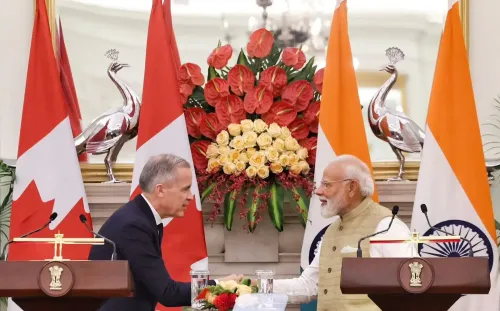
Canada's Pacific ports offer some of the country's shortest maritime routes to India and other Asian markets. As both Canada and India negotiate a comprehensive economic partnership agreement, the commercial significance of these corridors is expected to grow, making the environmental safeguards politically as well as economically consequential.
What Ministers Said
Transport Minister Steven MacKinnon described safe shipping systems as essential to both environmental protection and reliable supply chains. 'Canada's oceans are vital to our communities, our economy, and our way of life,' MacKinnon said, adding that the government aimed to build 'a safer marine transportation system that supports communities, safeguards our oceans for future generations, and keeps Canada's supply chains moving reliably and sustainably.'
Environment Minister Julie Dabrusin said ocean protection was central to Canada's broader biodiversity agenda. 'Canada's Nature Strategy recognises that protecting nature means protecting our oceans and the incredible ecosystems and species they support,' she said.
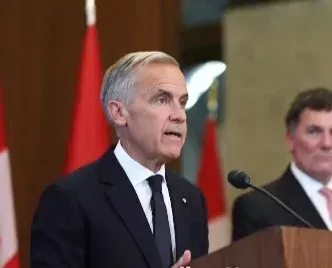
Carney framed the initiative as a deliberate balancing act. 'The further we reach in our ambitions, the greater our responsibility to protect what we have inherited,' he said. 'We will build major infrastructure, diversify our trade, and create hundreds of thousands of jobs — safely, responsibly, and in ways that protect our oceans for generations to come.'
Arctic Urgency and the 30x30 Target
Canada holds the world's longest coastline and borders the Atlantic, Pacific, and Arctic oceans. According to the Canadian government, the Arctic is warming at more than four times the global average rate, sharpening the need for ocean observation and climate forecasting infrastructure.
Ottawa has cumulatively invested C$3.2 billion in marine protection systems, scientific research, and personnel. The government has set a target of conserving 30 per cent of Canada's lands and oceans by 2030 — a commitment that the new C$1.2 billion package is intended to advance.
Balancing Growth and Conservation
The government acknowledged that expanded Pacific infrastructure will place additional pressure on marine ecosystems — a tension that critics and environmental groups are likely to scrutinise closely. Ottawa's answer, for now, is that integration of economic and environmental planning within a single national strategy is the mechanism for managing that trade-off. Whether that framework proves sufficient will depend heavily on implementation and independent monitoring.
With sectoral guidelines and project timelines still to be detailed, the true test of Canada's ocean strategy lies in the months ahead.
Point of View
But the more revealing detail is the admission that expanded Pacific infrastructure will place additional pressure on marine ecosystems — a tension the government resolves, for now, with the phrase 'integrated plan.' That framing will face scrutiny: Canada's track record on reconciling resource development with conservation commitments has been mixed, and the 30x30 target remains ambitious against a backdrop of rising Arctic shipping and port construction. The India angle is underreported: as Ottawa and New Delhi negotiate a comprehensive economic partnership, the Pacific corridor's commercial and strategic weight is quietly rising, making ocean governance a geopolitical issue, not merely an environmental one.
NationPress
1 Oct 2026
Frequently Asked Questions
What is Canada's C$1.2 billion ocean investment?
It is a federal funding package announced on 30 September to strengthen marine monitoring, scientific research, ecosystem protection, and emergency response capacity across Canada's oceans. The investment is part of a broader national ocean strategy that also supports Pacific port expansion and trade diversification.
Why is Canada expanding Pacific port infrastructure?
Ottawa is expanding the Port of Vancouver and advancing the Roberts Bank Terminal 2 project to increase trade capacity and reduce economic dependence on the United States. Canada's Pacific ports offer short maritime routes to India and other Asian markets, making them strategically important as trade diversification accelerates.
What is Canada's 30x30 ocean conservation target?
Canada has committed to conserving 30 per cent of its lands and oceans by 2030, a goal aligned with international biodiversity frameworks. The government has cumulatively invested C$3.2 billion in marine protection systems, research, and personnel toward this target.
How does Arctic warming factor into Canada's ocean strategy?
The Canadian government says the Arctic is warming at more than four times the global average rate, making ocean observation and climate forecasting infrastructure increasingly critical. The new investment includes expanded monitoring systems to address these accelerating environmental changes.
What measures are in place to protect marine wildlife?
Canada has committed nearly C$260 million specifically to protect whales from vessel traffic and underwater noise — a concern that grows as commercial shipping along the Pacific coast increases. Broader ecosystem protections covering marine habitats and fisheries are also part of the package.