Why Did the CIA Retract 19 Intelligence Reports?
Synopsis
In a surprising move, the CIA has retracted 19 intelligence reports due to bias concerns, signaling a commitment to impartiality in its analytical processes. The decision comes after a thorough review, underscoring the importance of transparency and accountability in intelligence analysis. This article delves into the details and implications of this significant action.
Key Takeaways
The CIA retracted 19 intelligence reports due to bias concerns.
This action highlights the agency's commitment to impartiality.
Reports were produced over the past decade and did not meet CIA standards.
The review was conducted by the President’s Intelligence Advisory Board.
This move reflects the CIA's dedication to transparency and accountability.
Washington, Feb 22 (NationPress) The CIA has officially retracted or mandated revisions to 19 intelligence products after an internal and independent evaluation revealed they did not adhere to the agency's analytical benchmarks and lacked independence from political influences, as stated by the agency.
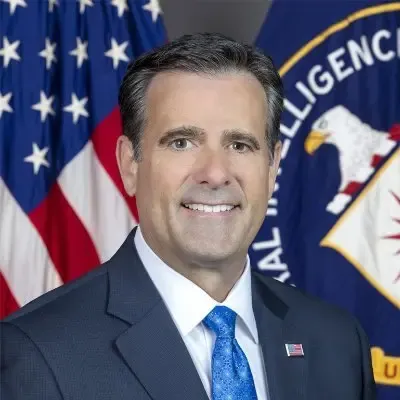
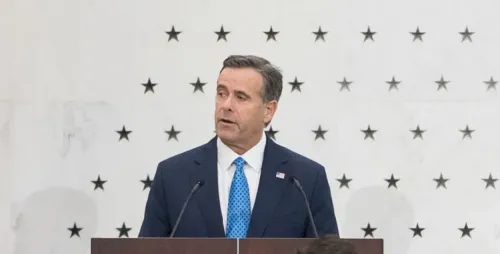
CIA Director John Ratcliffe, in a formal announcement, remarked that these products, generated over the last decade, do not meet the high standards of impartiality that the CIA is committed to and fail to reflect the expertise that our analysts are known for.
This unprecedented action entails the withdrawal of 17 reports and the revision of two others, as reported by The Washington Post. These documents will be removed from CIA databases and will no longer be accessible to US policymakers.
The products were pinpointed by the President’s Intelligence Advisory Board (PIAB), which scrutinized hundreds of CIA analytical reports from the past ten years. An internal review led by Deputy Director Michael Ellis endorsed these findings.
Director Ratcliffe disclosed redacted versions of three reports identified as examples. These include “Women Advancing White Racially and Ethnically Motivated Violent Extremist Radicalization and Recruitment”, published on October 6, 2021; “Middle East-North Africa: LGBT Activists Under Pressure”, published on January 14, 2015; and “Worldwide: Pandemic-Related Contraceptive Shortfalls Threaten Economic Development”, published on July 8, 2020.
“The intelligence products shared with the American public today, produced before my term as DCIA, do not uphold the high standards of impartiality that the CIA must maintain and do not reflect the expertise for which our analysts are known,” Ratcliffe emphasized.
“There is absolutely no tolerance for bias in our work, and when we identify instances where analytical rigor has been compromised, we are obliged to amend the record,” he further stated.
A senior CIA official, speaking to reporters on condition of anonymity, stated, “There’s absolutely no place for bias of any kind in CIA’s operations. Therefore, when we discover that our methodologies did not meet that high threshold of impartiality, we must rectify the record.”
According to The Washington Post, the partially released reports investigated the role of women in violent white nationalist organizations abroad, the difficulties faced by LGBT activists in certain Islamic regions, and the impact of the COVID-19 pandemic on access to contraception and family planning in developing nations.
The senior official characterized one 2021 assessment as “a prime example of how CIA analysts should not be allocating their time,” claiming it engaged in foreign political discussions “instead of addressing actual threats of political violence” and “implies a risk to these societies from traditional motherhood-focused roles.”
The official also mentioned that two reports depended on open-source information from advocacy organizations, including the Human Rights Campaign, the Washington Blade newspaper, and Planned Parenthood.
The CIA asserted that these actions “highlight our commitment to transparency, accountability, and objective intelligence analysis.”
The recall follows months of scrutiny by senior intelligence officials regarding the preparation of earlier assessments. The PIAB review was led by former Congressman Devin Nunes.
The CIA generates thousands of intelligence products each year.
Point of View
We recognize the importance of transparency and accountability in intelligence operations. The CIA's decisiveness in retracting these reports reflects a commitment to impartial analysis, essential for maintaining public trust. This move is a necessary step towards ensuring that intelligence remains objective and free from political bias.
NationPress
20 Sept 2026
Frequently Asked Questions
What prompted the CIA to retract these reports?
The CIA retracted these reports after an internal and independent review indicated they did not meet the agency's analytic standards and were influenced by political considerations.
How many reports were affected by this action?
A total of 19 intelligence products were either retracted or ordered for revision by the CIA.
What does this say about the CIA's commitment to impartiality?
This action underscores the CIA's commitment to maintaining high standards of impartiality and objectivity in its intelligence analysis.
Who conducted the review that led to this decision?
The review was conducted by the President’s Intelligence Advisory Board (PIAB) along with an internal assessment led by Deputy Director Michael Ellis.
What were some of the topics covered in the retracted reports?
The retracted reports covered topics such as the role of women in violent white nationalist groups, challenges faced by LGBT activists, and the impact of the pandemic on contraceptive access.