Rising Tensions: Civilian Casualties and the Afghanistan-Pakistan Divide
Synopsis
The situation between Afghanistan and Pakistan has reached alarming heights with deadly airstrikes and increasing civilian deaths. Recent operations have sparked outrage over the loss of innocent lives, including women and children, igniting calls for accountability and adherence to humanitarian law.
Key Takeaways
Escalation of violence: Recent airstrikes have resulted in significant civilian casualties.
Humanitarian concerns: Reports indicate that innocent lives, including women and children, are at risk.
International response: UN agencies have called for adherence to humanitarian law.
Geopolitical implications: The conflict reflects broader regional dynamics.
Need for dialogue: Diplomatic engagement is essential to prevent further escalation.
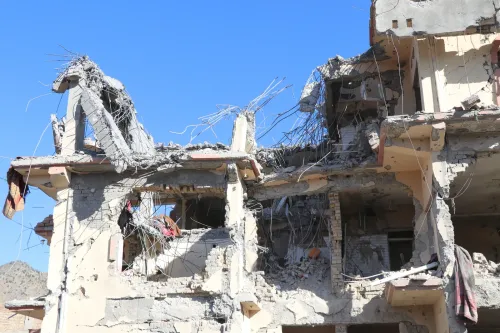
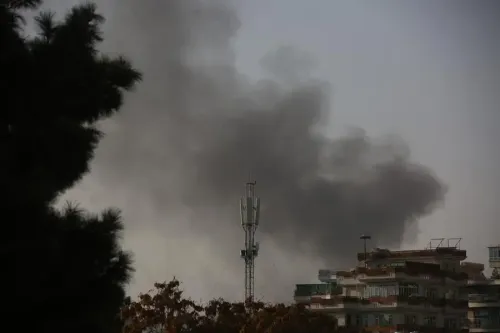
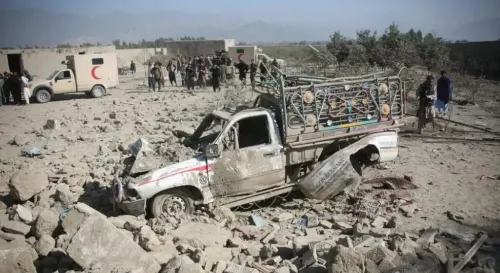
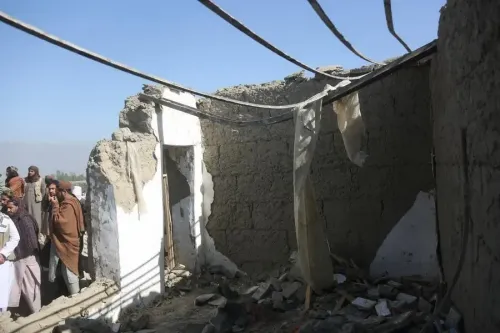
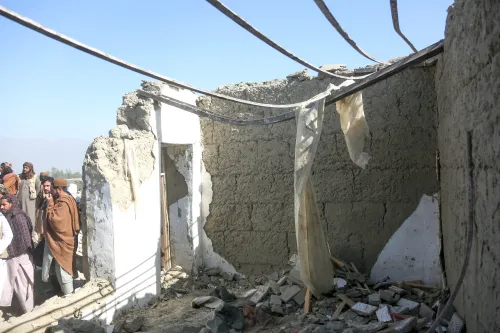
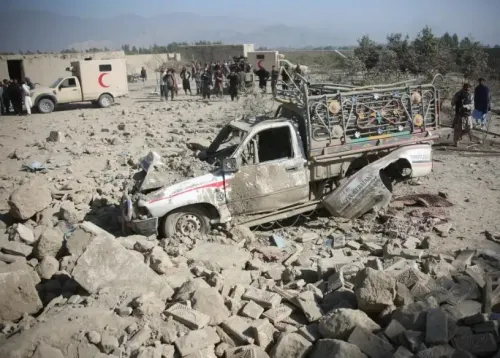
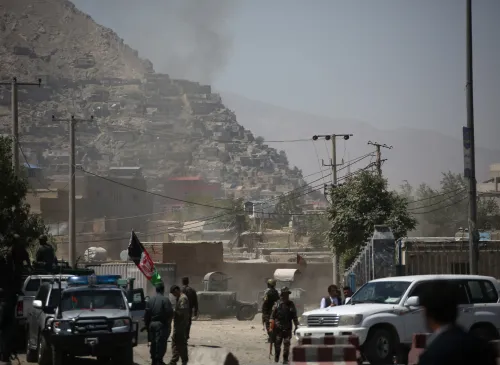
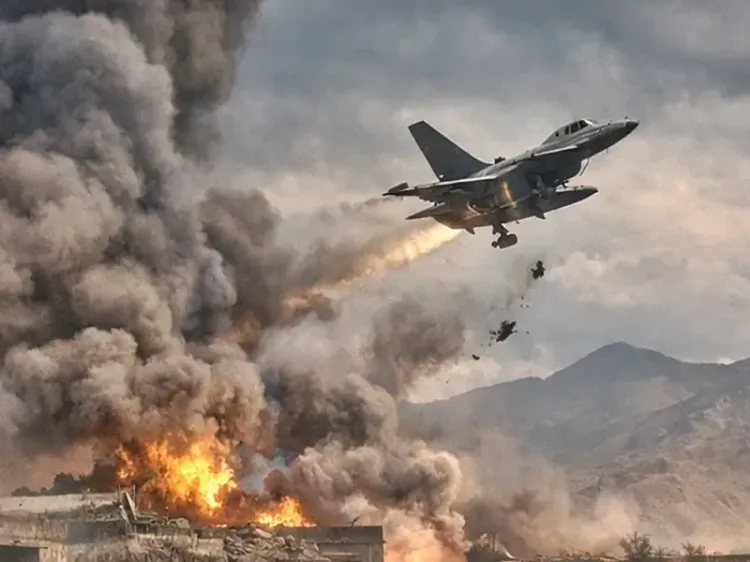
New Delhi/Kabul, Feb 26 (NationPress) The relationship between Afghanistan and Pakistan has escalated into a perilous situation, characterized by lethal airstrikes, increasing civilian fatalities, and an ever-widening diplomatic divide. Recent Pakistani military operations in Afghanistan’s eastern sectors—most notably Nangarhar and Paktika—have ignited public outrage following reports that confirmed civilian casualties, including women and children.
Human rights advocates and United Nations agencies have sounded the alarm, raising serious concerns that Pakistan’s cross-border military tactics are excessively aggressive and disproportionately inflicting harm on innocent civilians.
Taliban officials in the region reported that Pakistani airstrikes in the Behsud district of Nangarhar resulted in the deaths of 18 individuals from a single family.
Only four out of 24 family members are said to have survived the bombing. The deceased included Shahabuddin, the family patriarch. Among the victims were women and children, with reports indicating at least 11 children perished.
Moreover, five individuals are still unaccounted for, and local officials assert that the soil from the bombing site was removed, hindering recovery efforts.
Additional strikes were reported in regions including Khogyani, Ghani Khil, and Behsud districts in Nangarhar, and Barmal district in Paktika, where a madrasa was targeted.
Eight students were confirmed dead, including three girls, while others sustained injuries. Other civilians, including children tending to livestock, were also hurt in the aftermath.
The United Nations Assistance Mission in Afghanistan (UNAMA) confirmed civilian fatalities linked to these recent military actions, stating that at least 13 civilians were killed in Behsud district alone.
UNAMA has called for both parties to de-escalate the situation immediately and strictly follow international humanitarian law, particularly the principles of distinction, proportionality, and precaution.
Amnesty International voiced grave concern regarding the civilian toll and demanded a comprehensive, independent, and impartial inquiry into the airstrikes.
This incident is not an isolated occurrence. Between October and December 2025, amid intensified border clashes between Afghan Taliban forces and the Pakistani military, UNAMA reported 70 civilian fatalities and 478 injuries attributed to Pakistani military actions.
The trend indicates a worrying trajectory where civilians disproportionately suffer in the context of cross-border conflicts.
Such recurring incidents have intensified perceptions within Afghanistan that Pakistan’s military actions are increasingly indiscriminate and excessively forceful.
The recent airstrikes have severely strained already fragile relations between Kabul and Islamabad.
Cross-border allegations, retaliatory statements, and profound mistrust continue to exacerbate the divide. Afghanistan has consistently condemned what it perceives as violations of its sovereignty, while Pakistan defends its actions as necessary security measures.
However, the rising civilian casualties raise significant questions regarding proportionality and intent.
Further complicating matters is the belief among Afghan observers that Pakistan’s increased aggression may be influenced by broader geopolitical dynamics and external strategic interests.
While Islamabad presents its operations as counterterrorism efforts, critics argue that the magnitude and timing of the strikes suggest influences and pressures beyond immediate border security.
Whether motivated by internal instability, regional rivalries, or international strategic factors, the consequences unfold tragically for Afghan civilians.
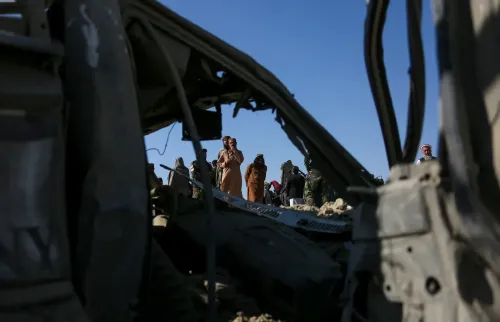
As funerals proceed in Nangarhar and families seek missing relatives, the humanitarian toll of this escalating conflict becomes painfully apparent. International organizations have reiterated calls for accountability, transparency, and the protection of civilians.
Without genuine restraint and authentic diplomatic dialogue, the Afghanistan-Pakistan divide risks transforming into a prolonged hostility—one that sees ordinary civilians enduring the harshest consequences of an intensifying cross-border conflict.
Point of View
The escalating violence between Afghanistan and Pakistan poses a grave threat to civilian lives and regional stability. Both nations must prioritize dialogue and restraint to prevent further suffering among their populations and to uphold international humanitarian standards.
NationPress
27 Sept 2026
Frequently Asked Questions
What triggered the recent tensions between Afghanistan and Pakistan?
The tensions have escalated due to deadly airstrikes conducted by Pakistan in Afghanistan, resulting in significant civilian casualties, including women and children.
How many civilians have been reported killed in the recent airstrikes?
Reports indicate that at least 18 individuals from a single family were killed in Nangarhar, along with numerous others across different districts.
What has the United Nations said regarding these airstrikes?
The United Nations Assistance Mission in Afghanistan (UNAMA) has confirmed civilian casualties and urged both parties to de-escalate tensions and adhere to international humanitarian law.
What is the humanitarian impact of these events?
The ongoing conflict has resulted in significant civilian suffering, with families mourning their losses and calls for accountability growing louder.
What actions are being demanded by human rights organizations?
Human rights organizations, including Amnesty International, are demanding thorough investigations into the airstrikes and accountability for civilian harm.