COP31: Nations report early gains on land rights for 160 million hectares by 2030
Synopsis
One year into the Intergovernmental Land Tenure Commitment, COP31 in Antalya has heard concrete national updates — Brazil has regularised six million hectares, Indonesia designated 376,280 hectares of customary forest, and Nigeria is engaging 26 communities on tenure rights. Yet less than one per cent of global climate finance currently reaches the communities doing much of the world's most effective forest protection.
Key Takeaways
Nations reported early progress at COP31 in Antalya on the Intergovernmental Land Tenure Commitment (ILTC) , launched one year ago at COP30 in Belém.
The ILTC aims to recognise and strengthen land rights across 160 million hectares by 2030 .
Brazil has advanced regularisation across six million hectares since COP30, targeting 63 million hectares in total, covering 54 Indigenous and 70 quilombola territories.
Indonesia designated 376,280 hectares of customary forest across 177 units , targeting 1.4 million hectares by 2029.
Nigeria has engaged 26 communities on tenure rights covering up to 250,000 hectares .
Less than 1% of international climate finance currently goes to Indigenous and community land rights; the renewed $1.8 billion Forest and Land Tenure Pledge aims to close that gap by 2030.
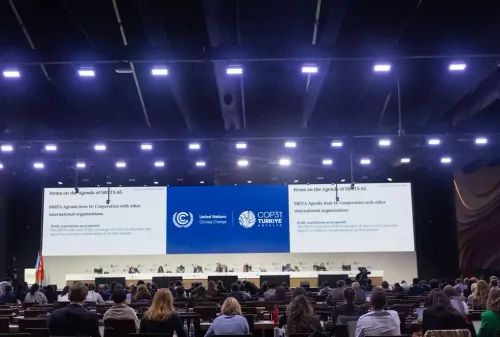
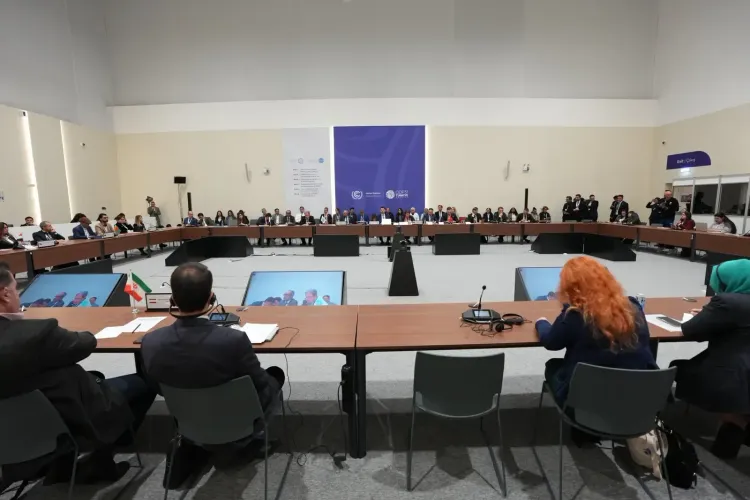
One year after the launch of the Intergovernmental Land Tenure Commitment (ILTC) at COP30 in Belém, participating governments have reported early progress in securing land rights for Indigenous Peoples and local communities across a pledged 160 million hectares by 2030. The updates were presented at COP31 in Antalya on 17 November 2026, at a high-level event convened through the Forest and Climate Leaders' Partnership (FCLP).
What Was Announced at Antalya
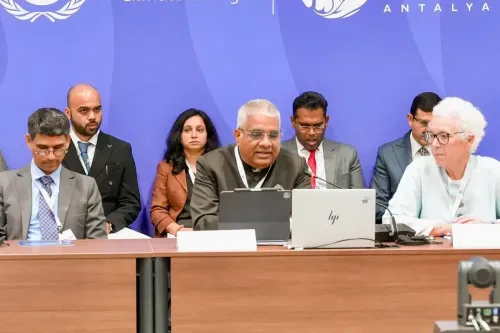
Ministers, philanthropic funders, and Indigenous leaders gathered at the event titled Delivering Land Rights: The Intergovernmental Land Tenure Commitment, One Year On. High-level representatives from Congo, Fiji, Ecuador, Colombia, Indonesia, and Brazil presented national progress and outlined plans for further action. The gathering also emphasised the need for deeper alignment with Indigenous Peoples and local communities in designing and implementing national land tenure plans.
Country-Level Progress
In Brazil, the government has advanced the regularisation process across six million hectares of Indigenous and quilombola territories since COP30, working towards a national contribution of 63 million hectares in total. Brazil's country plan has also identified opportunities to recognise and strengthen land tenure across 54 Indigenous territories and 70 quilombola territories ahead of 2030.
In Indonesia, the government officially designated 376,280 hectares of customary forest across 177 units, with a target of 1.4 million hectares by 2029. In Nigeria, the government has engaged 26 communities in discussions on strengthening tenure rights across 200,000–250,000 hectares. The sub-national government of Cross River State has also proposed a pilot exercise in the Mbe Mountains to scale up land tenure security and support forest conservation and livelihoods.
The Finance Gap
Despite their critical role in protecting forests and biodiversity, Indigenous and local communities receive less than one per cent of international climate finance directed at recognising their rights and supporting community forest management, according to data cited at the event. The ILTC is backed by the renewed $1.8 billion Forest and Land Tenure Pledge, through which governments and philanthropic funders have committed support for Indigenous Peoples, local communities, and Afro-descendant communities through 2030. Organisers stressed that mobilising additional investment and ensuring finance reaches communities directly remains critical to fulfilling the commitment's ambition.
Why Indigenous Land Rights Matter for Climate Goals
Forests under Indigenous stewardship reportedly experience significantly lower rates of forest loss than comparable areas, making community land rights a frontline climate and biodiversity strategy. Securing territorial rights, strengthening Indigenous leadership, and expanding direct access to finance are described by participating governments as essential to achieving global forest and climate targets under the Paris Agreement framework.
What Brazil's Minister Said
Eloy Terena, Minister of Indigenous Peoples of Brazil, said: 'The demarcation and protection of Indigenous territories are essential strategies for tackling the climate crisis and preserving the environment. We are at the end of a year of action, of concrete advances in the implementation of our commitments. Brazil's goal for the ILTC was ambitious, but we have already made progress on demarcations, on the removal of illegal occupants, and also on support for the governance of these lands — actions that are fundamental to ensuring all the positive indices that the country is presenting here at COP31.'
The next phase of the ILTC will focus on closing the finance gap, scaling up national plans, and ensuring that progress translates into durable, legally recognised protections for communities on the ground before the 2030 deadline.
Point of View
But the finance gap is the story mainstream coverage is underplaying. Less than one per cent of international climate finance reaches the communities that are, by the evidence cited at the event itself, among the most effective forest custodians on earth. Headline hectare targets mean little if the funding architecture routes money through national governments rather than directly to communities — a persistent failure across decades of biodiversity and climate pledging. The renewed $1.8 billion pledge is a signal of intent, not a delivery mechanism, and without enforceable direct-access conditionalities, history suggests it will repeat the same diversion patterns. COP31 needs to leave Antalya with a finance-to-community pipeline, not just a hectare scoreboard.
NationPress
17 Nov 2026
Frequently Asked Questions
What is the Intergovernmental Land Tenure Commitment (ILTC)?
The ILTC is an international pledge launched at COP30 in Belém in 2025, under which participating governments committed to recognising and strengthening land rights for Indigenous Peoples and local communities across 160 million hectares by 2030. It is convened through the Forest and Climate Leaders' Partnership and backed by a $1.8 billion Forest and Land Tenure Pledge.
What progress did Brazil report at COP31?
Brazil reported that it has advanced the regularisation of six million hectares of Indigenous and quilombola territories since COP30, working towards a total national contribution of 63 million hectares. Its country plan has also identified 54 Indigenous territories and 70 quilombola territories for tenure recognition ahead of 2030.
How much climate finance currently reaches Indigenous communities?
According to data cited at COP31, less than one per cent of international climate finance is currently directed towards recognising the rights of Indigenous Peoples and local communities or supporting community forest management. This gap is identified as a central obstacle to meeting the ILTC's 2030 targets.
What did Indonesia announce at COP31?
Indonesia reported that it officially designated 376,280 hectares of customary forest across 177 units, in line with its target of 1.4 million hectares by 2029 — a commitment it had announced at COP30 in Belém.
Why do Indigenous land rights matter for climate and biodiversity goals?
Forests under Indigenous stewardship reportedly experience significantly lower rates of forest loss than comparable areas, making secure land tenure a frontline climate and biodiversity strategy. Securing territorial rights and expanding direct finance access are considered essential to meeting global forest and climate targets under the Paris Agreement framework.