Bangladesh dengue surge: 245 dead, measles adds to October health crisis
Synopsis
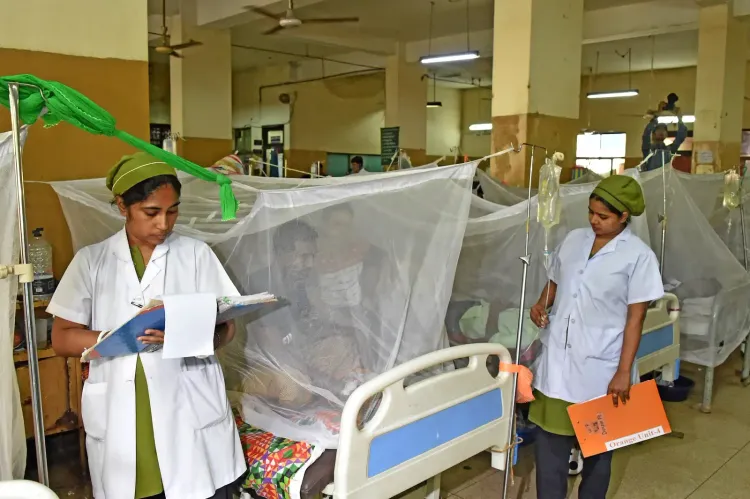
Bangladesh's healthcare system is caught between two simultaneous epidemics: dengue killed 148 people in September alone — nearly 60% of the year's total — while a measles outbreak has claimed over 1,100 children since March. With October expected to worsen the dengue surge, experts warn that competing demand for hospital beds, staff, and diagnostics could erode routine immunisation and push the dual crisis beyond the system's capacity to contain it.
Key Takeaways
Bangladesh has recorded at least 245 dengue deaths and 79,620 hospital admissions since January 2026 .
September 2026 was the deadliest month, accounting for 148 deaths — nearly 60% of the year's dengue fatalities.
Medical entomologist Kabirul Bashar of Jahangirnagar University warned that October could see further deterioration due to delayed effects of September rainfall.
A simultaneous measles outbreak has produced 21,520 confirmed cases since 15 March 2026 , with over 1,90,000 people seeking treatment.
More than 1,100 children have reportedly died from measles in 2026.
Experts warn the twin outbreaks are competing for overlapping healthcare resources, threatening routine childhood immunisation programmes.
Bangladesh enters October 2026 under severe healthcare strain as dengue infections escalate following the deadliest month of the year, while hospitals simultaneously battle a widespread measles outbreak that has claimed more than 1,100 children's lives since the start of 2026. The twin public health emergencies are stretching clinical resources and exposing structural gaps in the country's disease-response capacity.
Dengue toll: September's deadly surge
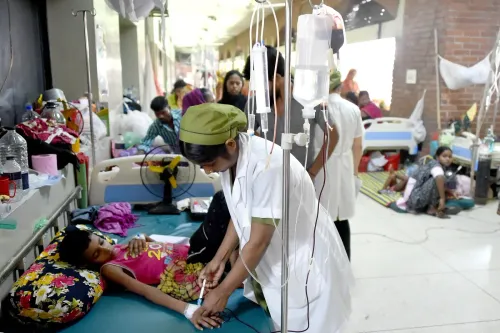
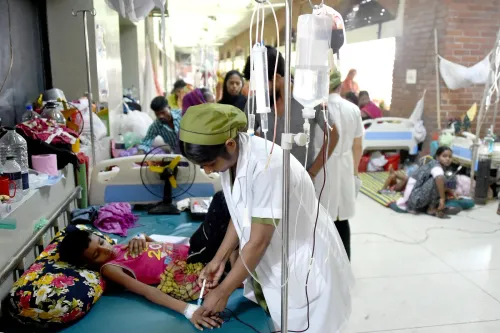
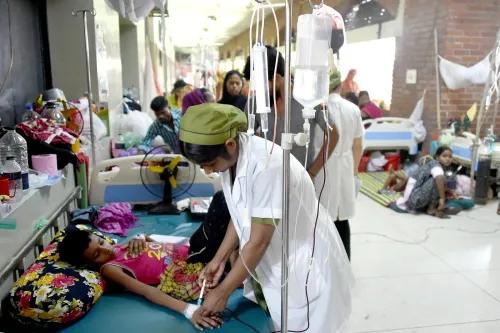
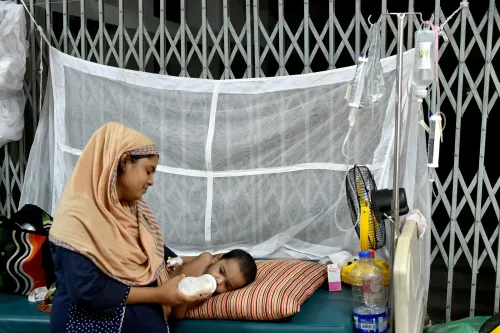
According to figures from Bangladesh's Health Ministry, dengue has claimed at least 245 lives and led to 79,620 hospital admissions since January 2026. The trajectory has been sharply worsening: 36 deaths were recorded in July, rising to 43 in August, before spiking to 148 in September alone — meaning nearly 60 per cent of the year's reported dengue fatalities were concentrated in a single month.
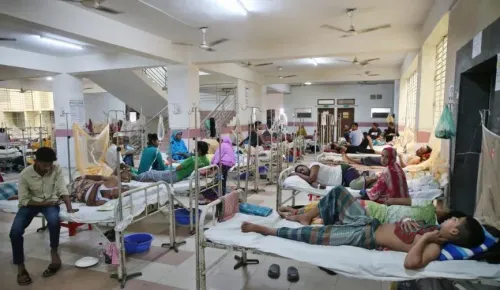
This pattern points to a season that accelerated far faster than health authorities had projected, placing emergency wards under acute pressure. Notably, this is consistent with broader trends across South and Southeast Asia, where post-monsoon dengue spikes have intensified year on year.
Expert warning: October could be worse
Kabirul Bashar, a medical entomologist at Jahangirnagar University, has warned that the situation may deteriorate further through October. His forecasting model suggests that rainfall recorded in September could continue to influence mosquito transmission through delayed effects, as weather conditions remain conducive to vector activity.
'The forecast strengthens the case for preparing staff, diagnostic services, essential supplies and referral arrangements before admissions rise further. It should nevertheless be understood as an expert projection rather than a confirmed outcome,' Bashar said, according to reports. He also flagged that the rising death toll requires deeper investigation: available figures cannot establish whether fatalities reflect more infections, delayed presentation, difficulties accessing care, or other factors — each of which would demand a different policy response.
Measles outbreak compounds the crisis
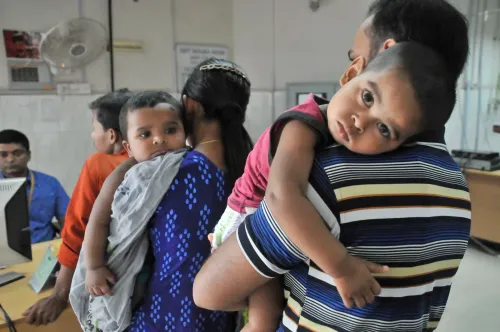
Even as the dengue emergency deepens, Bangladesh's hospitals are also grappling with a large-scale measles outbreak. Government data show that 21,520 measles cases have been confirmed since 15 March 2026, with over 1,90,000 people seeking treatment for suspected measles or similar symptoms. More than 1,100 children have reportedly died from measles this year.
The simultaneous outbreak is not merely a parallel crisis — it directly competes for the same healthcare inputs. Both dengue and measles drive demand for clinical staff, diagnostics, hospital beds, and essential supplies, creating a resource-allocation conflict that threatens routine health services including childhood immunisation programmes.
Policy dilemma: Coordinating a dual response
Analysts and health experts cited in reports warn that expanding dengue treatment capacity while allowing routine vaccination or other essential services to weaken could prolong the broader health emergency. The concern is structural: Bangladesh's healthcare system was not dimensioned to absorb two major outbreaks simultaneously.
Experts have called on policymakers to adopt a coordinated response that protects childhood immunisation while strengthening dengue treatment infrastructure. Critically, district-level data on admissions, bed availability, and referral delays would help direct scarce resources toward the areas of greatest need — a granularity that appears currently lacking in the national response framework.
With October forecast to bring no immediate relief on the dengue front and the measles toll still rising, how swiftly Dhaka can mobilise a unified, data-driven health response will define the trajectory of both outbreaks in the weeks ahead.
Point of View
The measles toll — over 1,100 children dead — raises uncomfortable questions about the durability of the country's vaccination coverage, particularly in underserved districts. The real risk now is that the resource competition between dengue treatment and routine immunisation creates a feedback loop, where a weakened immunisation programme sets up the next outbreak even before the current one is contained.
NationPress
3 Oct 2026
Frequently Asked Questions
How many people have died from dengue in Bangladesh in 2026?
At least 245 people have died from dengue in Bangladesh since January 2026, according to Health Ministry figures. September was the deadliest single month, recording 148 deaths — nearly 60% of the annual total.
How bad is the measles outbreak in Bangladesh in 2026?
Bangladesh has confirmed 21,520 measles cases since 15 March 2026, with over 1,90,000 people seeking treatment for suspected measles or similar symptoms. More than 1,100 children have reportedly died from measles this year.
Why is October expected to be a difficult month for dengue in Bangladesh?
Medical entomologist Kabirul Bashar of Jahangirnagar University has warned that heavy September rainfall may continue to drive mosquito transmission through delayed effects into October, potentially pushing admissions and deaths higher. He has stressed this is an expert projection, not a confirmed outcome.
Why does the simultaneous dengue and measles crisis pose a particular policy challenge?
Both outbreaks draw on the same healthcare resources — clinical staff, diagnostics, hospital beds, and supplies. Prioritising dengue treatment could weaken routine childhood vaccination programmes, potentially prolonging the broader health emergency. Experts are calling for a coordinated response that addresses both without compromising either.
What do health experts recommend Bangladesh do to manage the twin outbreaks?
Experts recommend that policymakers adopt a unified strategy that protects childhood immunisation while scaling up dengue treatment capacity. They also call for district-level data on admissions, bed availability, and referral delays to ensure resources are directed where they are needed most.