DR Congo Ebola outbreak: 1,118 cases, 291 deaths as WHO warns of record spread
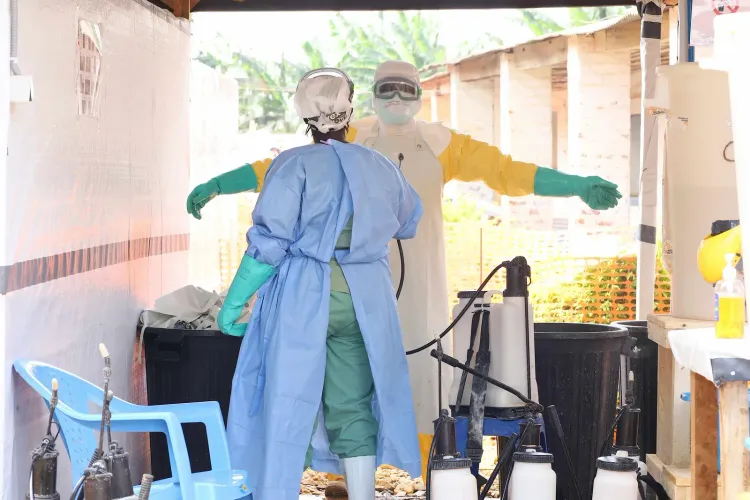
Synopsis
The DRC has logged 1,118 confirmed Ebola cases and 291 deaths — the highest case count in the first month of any Ebola outbreak in African history, according to the WHO. With 408 patients still under care and Ituri province as the epicentre, the scale of the crisis is testing the limits of a response that is only now beginning to catch up.
Key Takeaways
The DRC has confirmed 1,118 Ebola cases and 291 deaths as of 25 June 2025 , with a case fatality rate of 26 per cent .
408 patients are currently under care; 122 have recovered.
The WHO has called this the largest confirmed case count in the first month of any Ebola outbreak in Africa .
Treatment capacity has expanded from a handful of beds to over 500 beds across 19 health zones in two weeks.
Lab testing capacity has grown from 30 tests per day to more than 2,000 tests per day via 8 decentralised labs .
DRC President Felix Tshisekedi plans to visit Ituri province , the outbreak's epicentre, to oversee the ground response.
The Democratic Republic of the Congo (DRC) has recorded 1,118 confirmed Ebola cases and 291 deaths as of 25 June 2025, according to the latest situation update from the DRC government. The case fatality rate stands at 26 per cent, with 408 patients currently under care and 122 having recovered so far.
Scale of the Outbreak
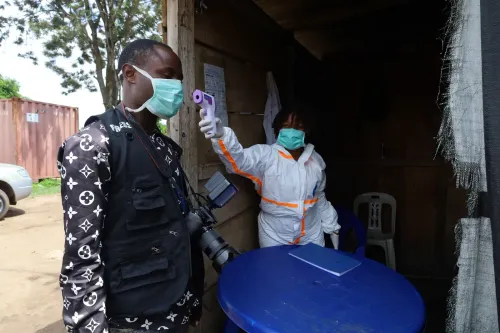
The DRC Ministry of Communications and Media posted the update on X on Wednesday, revealing that epidemiological surveillance has identified 138 suspected cases, while the contact follow-up rate stands at 77.1 per cent. The eastern Ituri province remains the epicentre of the outbreak.
Notably, South Kivu province has reported no new transmission since 26 May, offering a measure of cautious optimism even as the broader crisis deepens. Surveillance, patient care, and contact tracing operations continue across all affected areas.
WHO Calls It the Largest First-Month Outbreak on Record
Abdirahman Mahamud, Director of Health Emergency Alert and Response Operations at the World Health Organization (WHO), told a press briefing in Geneva on Tuesday: 'This is the largest number of confirmed cases in the first month of an Ebola disease outbreak in Africa.'
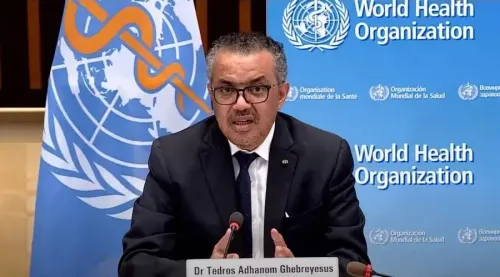
Despite the alarming scale, WHO Director-General Tedros Adhanom Ghebreyesus said on Wednesday that the global risk from the ongoing outbreak remains low. He pointed to expanding response capacity as a reason for measured confidence.
Response Capacity Scaling Up
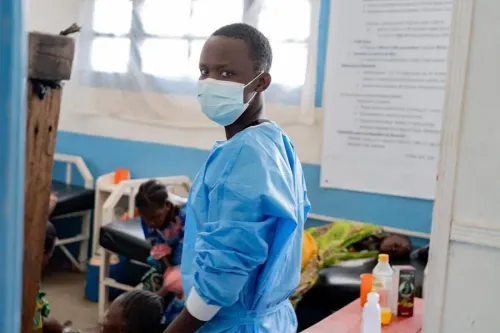
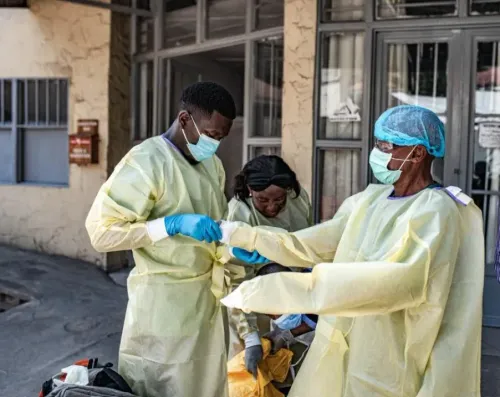
Mahamud outlined significant improvements in treatment and testing infrastructure. Treatment bed capacity has grown from 'a handful to over 500 beds across 19 health zones' over the past two weeks. Laboratory testing capacity has surged from roughly 30 tests per day in Kinshasa at the outbreak's start to more than 2,000 tests per day through a network of eight decentralised laboratories across Ituri, North Kivu, and South Kivu provinces.
Presidential Response and Regional Cooperation
DRC President Felix Tshisekedi announced on Tuesday that he would travel to Ituri province to personally oversee response operations on the ground. He made the remarks at a joint press conference in Kinshasa alongside visiting Burundian President Evariste Ndayishimiye, whose country currently holds the rotating presidency of the African Union (AU).
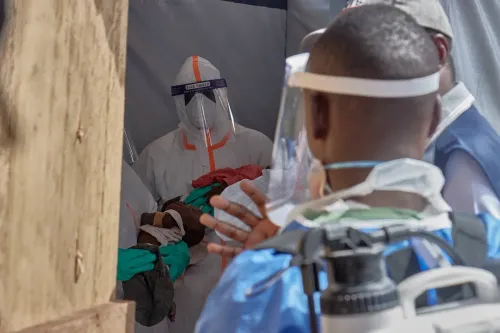
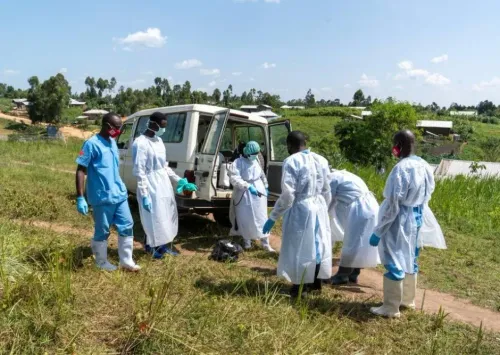
The two leaders were briefed by the DRC's national Ebola response task force before the press conference. Tshisekedi called for stronger regional cooperation centred on prevention, epidemiological surveillance, and rapid information-sharing. Ndayishimiye urged African nations and the wider international community not to close borders, signalling concern that travel restrictions could hinder the coordinated response.
What Comes Next
With the DRC logging the highest confirmed case count in the first month of any African Ebola outbreak on record, the coming weeks will test whether expanded treatment capacity and accelerated contact tracing can bring transmission under control. International health bodies are watching the Ituri epicentre closely as President Tshisekedi's planned visit signals a shift toward direct political engagement with the crisis.
Point of View
But a structurally different event in terms of early velocity. The jump from 30 to 2,000 daily tests and from a handful to 500 beds in a fortnight is the kind of reactive scaling that has historically been too slow; whether it is fast enough this time depends on whether the 77.1 per cent contact follow-up rate can be pushed above 90 per cent — the threshold epidemiologists consider necessary to break chains of transmission. Tshisekedi's planned visit to Ituri is politically important, but the harder question is whether the DRC's health infrastructure, stretched across multiple active conflict zones, can sustain the response without a prolonged international surge.
NationPress
25 Jun 2026
Frequently Asked Questions
How many Ebola cases has the DRC confirmed as of June 2025?
The DRC has confirmed 1,118 Ebola cases and 291 deaths as of 25 June 2025, with a case fatality rate of 26 per cent. A total of 408 patients remain under care and 122 have recovered.
Why is the WHO calling this a record Ebola outbreak?
The WHO has described this as the largest number of confirmed cases recorded in the first month of any Ebola outbreak in Africa. The speed of early transmission makes it structurally different from previous outbreaks, even if the global risk is currently assessed as low.
Which province is the epicentre of the DRC Ebola outbreak?
Ituri province in eastern DRC is the epicentre of the current outbreak. South Kivu province has reported no new transmission since 26 May 2025, though surveillance continues there.
What steps is the DRC government taking to contain the outbreak?
The DRC has expanded treatment capacity to over 500 beds across 19 health zones and scaled laboratory testing to more than 2,000 tests per day through eight decentralised labs. President Tshisekedi has announced a visit to Ituri and called for stronger regional cooperation on prevention and information-sharing.
Has the Ebola outbreak in DRC affected neighbouring countries?
No cross-border transmission has been confirmed as of the latest update. Burundian President Evariste Ndayishimiye, whose country holds the African Union's rotating presidency, urged nations not to close borders, indicating concern about potential regional spread but no confirmed spillover as of 25 June 2025.