European Nations Gear Up for Hormuz Mission Excluding US
Synopsis
European countries are devising a post-conflict strategy for the Strait of Hormuz, aiming to ensure maritime safety without US involvement. This initiative seeks to rebuild trust and secure shipping lanes after the Iran crisis, reflecting a significant shift in transatlantic relations.
Key Takeaways
European Coalition: A coalition led by the UK and France is being formed to ensure safe passage through the Strait of Hormuz.
Exclusion of US: The mission will operate without direct US involvement or command.
Safety Measures: Key objectives include demining operations and naval escorts to assure safety for shipping companies.
Global Impact: The Strait of Hormuz is vital for global oil supply, influencing energy markets worldwide.
Shift in Security: This initiative marks a significant shift in security responsibilities towards European nations.
On April 15, Washington (NationPress) revealed that European nations are crafting a post-conflict strategy to ensure safe maritime passage through the Strait of Hormuz without the direct involvement of the United States, as the ongoing tensions stemming from the Iran crisis alter transatlantic relations.
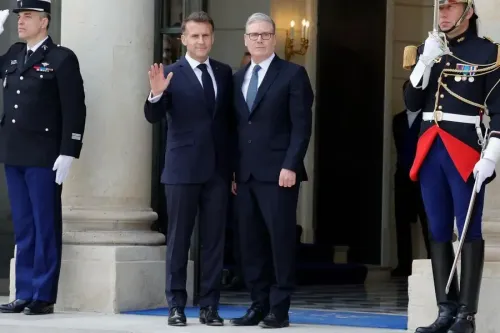
Leading this initiative are the UK and France, aiming to build a wide-ranging coalition to restore trust in this vital waterway once hostilities cease. This plan would encompass mine clearance and naval deployments while intentionally excluding “belligerent” nations including the United States, Israel, and Iran, as noted by officials referenced in a report by the Wall Street Journal.
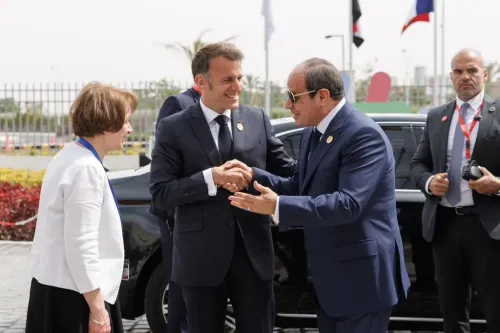
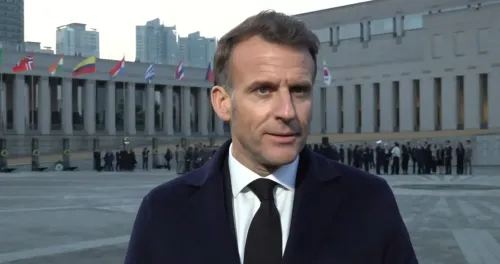
According to French President Emmanuel Macron, the mission will be inherently defensive. European vessels will not operate under American command, with the primary objective of reassuring shipping companies about the safety of returning to the region post-conflict.
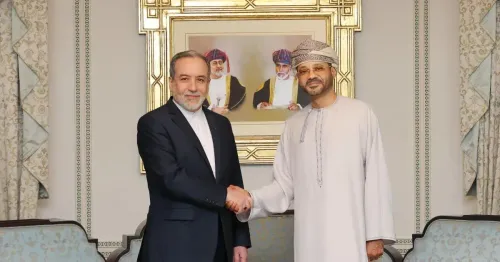
This initiative is set to commence only after tranquility is restored. French Foreign Minister Jean-Noel Barrot mentioned that the coalition would work in conjunction with countries neighboring the strait, including Iran and Oman, implying that any military presence might require Iran's consent.
Germany is anticipated to take on a significant role. Although Berlin has been historically cautious regarding overseas military actions, officials indicate that Germany could provide ships and surveillance assets, thereby enhancing the mission's scope.
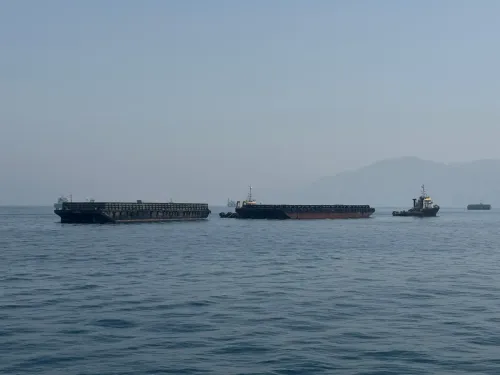
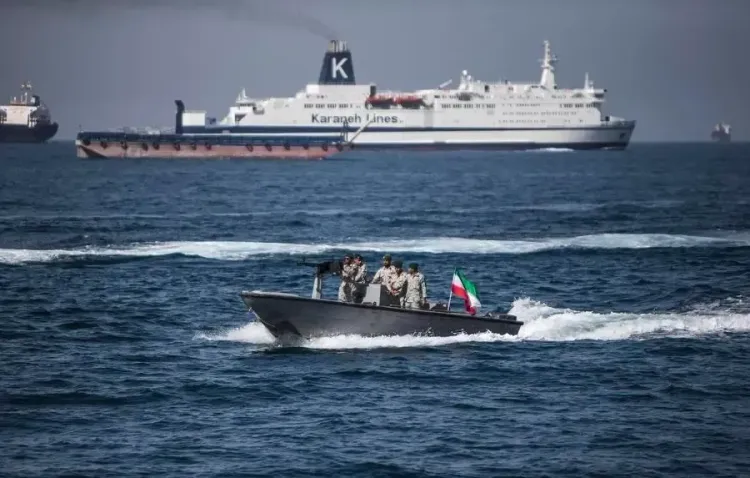
The strategy has three core objectives: firstly, to arrange logistics so that numerous vessels currently trapped in the strait can safely depart; secondly, to conduct extensive demining operations following Iran's mining of sections of the waterway during the conflict; and thirdly, to deploy naval escorts and surveillance resources to guarantee secure passage for ships.
Experts predict that demining efforts will require considerable time. Europe possesses superior capabilities in this area compared to the United States, which has diminished its minesweeping fleet. Even after a ceasefire, a Western naval presence may still be necessary to reassure insurers and shipping companies. “At some point, an escort system or convoy will be essential to safeguard vessels,” stated Mujtaba Rahman of the Eurasia Group.
This plan draws some inspiration from the European Union’s Operation Aspides in the Red Sea, which coordinated naval escorts to shield commercial ships from Houthi attacks. The Hormuz initiative would operate independently from a larger US-led operation previously active in the region.
The proposal arises amid increasing disparities between Europe and Washington. US President Donald Trump has called upon European allies to enforce the reopening of the strait through military means, a suggestion that European leaders have countered, warning it could escalate the conflict and expose vessels to missile risks.
Officials have stated that both China and India have been invited to participate in discussions, though their involvement remains uncertain.
The Strait of Hormuz is crucial, carrying approximately one-fifth of the world’s oil supply. Any disruptions here have significant implications for global energy markets, particularly for major importing nations like India.
This plan signifies a broader transition, with European nations gearing up to assume greater security responsibilities, especially in critical trade corridors, as uncertainties surrounding long-term US military leadership continue to mount.
Point of View
This initiative underscores a vital shift in global maritime security dynamics, highlighting Europe's proactive approach to regional stability while navigating complex geopolitical landscapes.
NationPress
16 Oct 2026
Frequently Asked Questions
Why are European countries planning a Hormuz mission?
European countries are planning a Hormuz mission to ensure safe shipping through the Strait of Hormuz and to restore trust in the region following the Iran conflict.
What role will the US play in the Hormuz mission?
The mission is designed to exclude the US and other 'belligerent' parties, focusing on a European-led coalition instead.
What are the main objectives of the Hormuz mission?
The main objectives include facilitating the departure of trapped vessels, conducting demining operations, and providing naval escorts for safe passage.
How significant is the Strait of Hormuz for global oil supply?
The Strait of Hormuz is critical, carrying about one-fifth of the world's oil supply, making any disruptions impactful for global energy markets.
What is the broader implication of this plan for European security?
This plan reflects a shift in security responsibility to European nations, as they prepare to take on more roles in safeguarding key trade routes.