Gilgit-Baltistan status cannot legitimise Pakistan control: Report
Synopsis
A report argues that provincial status cannot settle sovereignty over Pakistan-occupied Gilgit-Baltistan or legitimise Pakistan's control. It also calls for the region's political representation, fundamental rights and socio-economic welfare to remain central to the debate.
Key Takeaways
The International Centre for Peace Studies argues that provincial status cannot legitimise Pakistan's control over Gilgit-Baltistan .
The report distinguishes India's abrogation of Article 370 from Pakistan's proposed incorporation of the territory.
The report bases India's sovereignty claim on the accession of the erstwhile State of Jammu and Kashmir .
According to the report, seats in the Jammu and Kashmir Legislative Assembly are reserved for representation of territories under Pakistan's occupation.
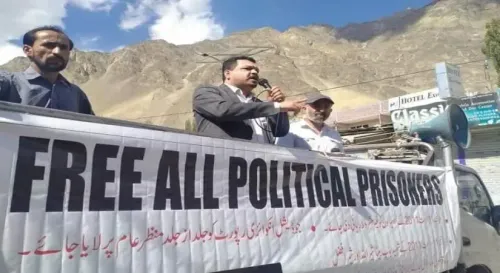
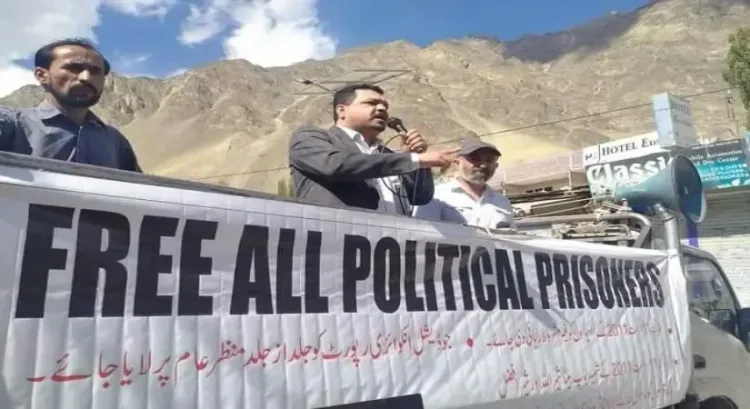
The report calls attention to the political representation, fundamental rights and socio-economic welfare of residents of Gilgit-Baltistan .
A proposed change to the status of Pakistan-occupied Gilgit-Baltistan (PoGB) cannot legitimise Pakistan's control over the territory or be equated with India's abrogation of Article 370, according to a report by the International Centre for Peace Studies. The report argues that the two measures rest on different legal foundations and calls for attention to the rights and welfare of the region's residents.
The report examines a proposal to incorporate PoGB into Pakistan's federation, whether provisionally or otherwise. It maintains that a change in provincial status would not, on its own, settle the sovereignty dispute.
Article 370 comparison and the legal argument
The report distinguishes India's alteration of an existing constitutional arrangement from Pakistan's proposed incorporation of territory. It argues that the erstwhile State of Jammu and Kashmir legally acceded to India and that Pakistan has no legitimate sovereign claim to the area.
On that basis, the report says equating the two cases would confuse constitutional reorganisation with territorial annexation. Its assessment presents the proposed provincial change as part of the wider dispute over Jammu and Kashmir, rather than solely as a question of domestic administration.
The source does not provide details of a timetable or identify a specific measure that Pakistan has adopted to implement the proposal.
India's claim and assembly representation
According to the report, India's claim over the entire erstwhile State of Jammu and Kashmir, including PoGB, rests on the State's accession to India. It argues that the integration of Pakistan-occupied Jammu and Kashmir (PoJK) would follow from that existing sovereign position.
The report also points to India's constitutional framework, which it says recognises the territories under Pakistan's occupation as part of Jammu and Kashmir. Seats in the Legislative Assembly are reserved for their representation pending their return to Indian administration, it says.
The report contrasts this position with Pakistan's challenge to the validity of the accession. It argues that Pakistan's position does not rest on an independent legal instrument conferring territorial title.
Concerns for residents
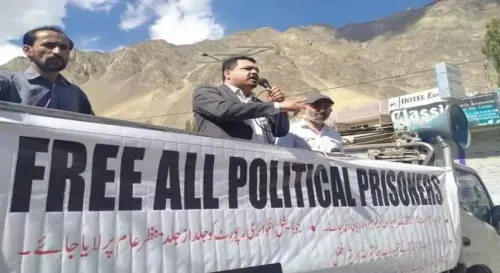
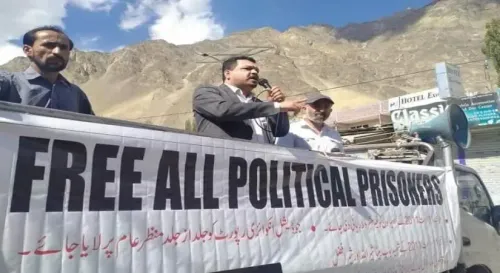
Beyond the legal status of the territory, the report raises the political representation, fundamental rights and socio-economic welfare of people living in PoGB. It says residents should not be made to bear the costs of Pakistan's unresolved constitutional position on PoJK.
That distinction places the day-to-day interests of residents alongside the question of sovereignty. The report maintains that provisional provincial status alone cannot resolve the latter or remove the territory from the larger dispute.
Control and the question of sovereignty
The report characterises Pakistan's occupation and de facto administrative control of parts of Jammu and Kashmir as placing it in the position of a “belligerent occupier”. It argues that the passage of time cannot turn occupation into lawful ownership.
It further maintains that unilateral annexation, constitutional incorporation, legislation or later exercises of authority cannot cure what it describes as the original defect of title. These are the report's legal conclusions, rather than a description of an agreed settlement between India and Pakistan.
The report leaves the proposed status change and its implications for residents within the broader unresolved dispute over Jammu and Kashmir.
Point of View
But its legal conclusions should be identified as arguments rather than presented as an agreed position. India's territorial claim and the rights of people living in Gilgit-Baltistan deserve attention together, not as competing subjects. Any debate over the region's future should also scrutinise whether residents have meaningful representation and access to fundamental rights.
NationPress
23 Nov 2026
Frequently Asked Questions
What does the report say about Gilgit-Baltistan's provincial status?
The report says provincial status cannot by itself legitimise Pakistan's control over Gilgit-Baltistan or settle the sovereignty question. It examines a proposed incorporation into Pakistan's federation, whether provisional or otherwise.
Why does the report distinguish Gilgit-Baltistan from Article 370?
The report argues that India changed an existing constitutional arrangement, while Pakistan's proposal concerns the incorporation of disputed territory. It says the erstwhile State of Jammu and Kashmir legally acceded to India.
How could the status debate affect people in Gilgit-Baltistan?
The report says the debate should address residents' political representation, fundamental rights and socio-economic welfare. It argues that they should not bear the costs of Pakistan's unresolved constitutional position on Pakistan-occupied Jammu and Kashmir.
What does the report say about Jammu and Kashmir assembly seats?
The report says seats in the Jammu and Kashmir Legislative Assembly are reserved for representation of territories under Pakistan's occupation. It says the arrangement is pending their return to Indian administration.
When could Gilgit-Baltistan receive provincial status?
The source does not provide a timetable for the proposed status change. The report says a provisional change would not by itself settle sovereignty.