China's hospitals buckle under debt, salary cuts and rising public anger
Synopsis
China's public hospitals — once showcased as proof of CCP governance — are buckling under debt that nearly quadrupled in a decade, rampant procurement corruption and an ageing population draining insurance funds. With salaries delayed and some facilities shutting down entirely, the crisis is no longer hidden from the public, posing a rare credibility test for Beijing's social contract narrative.
Key Takeaways
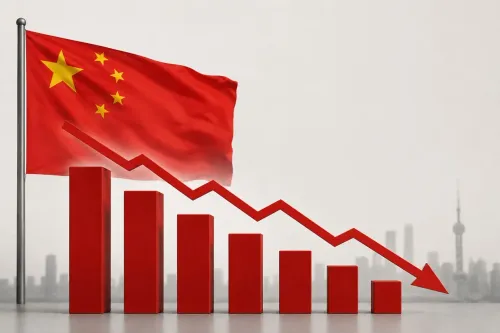
China's public hospital debt nearly quadrupled between 2011 and 2021 , driven by aggressive borrowing for infrastructure expansion.
Hospitals across multiple provinces have reported delayed salaries, reduced bonuses, staff cuts and, in some cases, complete suspension of operations .
Corruption across procurement networks, hospital administrations and government officials has compounded the financial strain, according to the report.
China's social health insurance funds face mounting pressure as the working-age contributor base grows slowly against a rapidly ageing population.
The Chinese Communist Party (CCP) has long presented its healthcare system as a symbol of state capacity, but public dissatisfaction is now rising visibly.
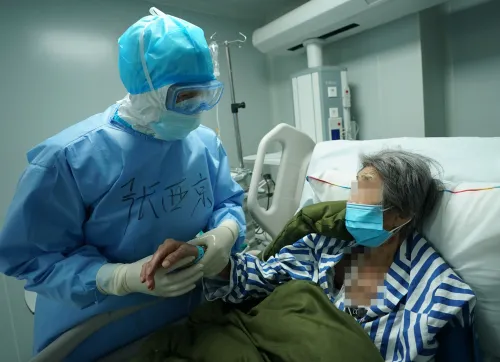
China's healthcare system is facing a deepening financial crisis, with public hospitals across multiple provinces reporting surging debt, delayed salary payments, staff reductions and, in some cases, full suspension of operations, according to a report by Myanmar-based Ayeyarwady Times. The strains are exposing structural flaws in a system the Chinese Communist Party (CCP) has long promoted as a cornerstone of state capacity and social stability.
Debt spiral after years of unchecked expansion
The roots of the crisis lie in an era of aggressive hospital expansion funded largely by borrowing. During China's period of rapid economic growth, hospitals invested heavily in new facilities and medical equipment, often without adequate assessment of long-term viability. According to the report, public hospital debt nearly quadrupled between 2011 and 2021. That debt load has since been compounded by slower economic growth, weakening local government revenues and a troubled property market — all converging to squeeze hospital finances simultaneously.
Accountability, the report notes, was routinely sacrificed to bureaucratic ambition. 'Local officials were incentivised to pursue visible infrastructure projects rather than long-term sustainability,' it states, pointing to a systemic preference for headline-grabbing construction over fiscal prudence.
Corruption entrenched across the supply chain
Financial strain has also laid bare what the report describes as deep-rooted corruption across procurement networks and administrative hierarchies. 'China's healthcare sector has long faced allegations of corruption involving government officials, hospital administrators, pharmaceutical companies and procurement networks,' the report said. Senior officials reportedly manipulated procurement contracts, while hospital administrators chased prestige projects, and mid-level managers prioritised political loyalty over efficient governance in pursuit of career advancement. This pattern, the report argues, allowed waste and misallocation to persist even as revenues declined.
Policy failures erode traditional revenue streams
Public hospitals have simultaneously seen a reduction in traditional income streams — a consequence of policy failures combined with the effects of entrenched corruption. The pullback in revenues has coincided with increased demand driven by an ageing population. Studies cited in the report show that population ageing is placing enormous pressure on the financial sustainability of China's social health insurance funds, with the number of working-age contributors growing only slowly. This demographic squeeze threatens the solvency of China's medical insurance system over the medium term.
Staff bear the brunt as public trust erodes
Healthcare workers have emerged as the most immediate victims of the fiscal crunch. Reports from several provinces indicate delayed salaries, reduced bonuses and outright staff cuts. In some facilities, operations have been suspended entirely. The visible deterioration of services is fuelling growing public dissatisfaction, undermining the CCP's narrative of the healthcare system as a pillar of social welfare. This comes amid broader concerns about governance credibility in sectors once regarded as insulated from the country's economic volatility.
Analysts watching China's fiscal trajectory warn that without structural reform — including transparent debt restructuring, anti-corruption enforcement with genuine accountability, and a recalibration of insurance fund contributions — the sector's distress is likely to deepen in the years ahead.
Point of View
Where visible infrastructure trumped sustainable financing and political loyalty outranked competent management. The near-quadrupling of hospital debt in a single decade while corruption remained structurally embedded suggests reform will require more than accounting fixes. Beijing's larger challenge is that healthcare is one of the few sectors where ordinary citizens feel state failure personally and immediately — making this a social stability risk, not merely a budget problem. The ageing demographic curve will only intensify the pressure, and without transparent accountability mechanisms, the same incentives that created the crisis remain fully intact.
NationPress
29 Oct 2026
Frequently Asked Questions
What is driving the financial crisis in China's healthcare system?
A combination of aggressive hospital borrowing during the growth years, policy failures that eroded traditional revenue streams, entrenched corruption across procurement networks, and a slowing economy have together created a severe fiscal crunch. Public hospital debt nearly quadrupled between 2011 and 2021, while local government revenues weakened and property market troubles added further stress.
How has corruption worsened the situation in Chinese hospitals?
According to the report, senior officials manipulated procurement contracts, hospital administrators pursued costly prestige projects, and mid-level managers prioritised political loyalty over efficient governance. This systemic corruption allowed misallocation of resources to persist even as hospital revenues declined, accelerating the financial deterioration.
How are healthcare workers affected by the crisis?
Healthcare workers across several Chinese provinces have faced delayed salary payments, reduced bonuses and staff cuts. In some facilities, operations have been suspended entirely, leaving both staff and patients without recourse.
Why is China's health insurance fund under threat?
Studies cited in the report show that population ageing is placing enormous pressure on China's social health insurance funds, as the number of working-age contributors — who fund the system — is growing very slowly. This demographic imbalance threatens the long-term solvency of the medical insurance system.
What are the broader implications for China's social stability?
The CCP has for decades presented its healthcare system as a symbol of governance competence and social welfare. Visible deterioration in services, combined with growing public dissatisfaction, risks undermining that narrative at a time when Beijing is already managing multiple economic pressures, making healthcare a potential flashpoint for public discontent.