Hormuz ceasefire holds as US-Iran talks resume amid shipping row
Synopsis
After four days of missile and drone exchanges that rattled global oil markets, the US and Iran have agreed to stand down in the Strait of Hormuz — but the truce is fragile. Tehran insists it alone controls the waterway; Washington insists on freedom of navigation. With Trump threatening to 'militarily complete the job' and Iran yet to publicly confirm the deal, the ceasefire is holding by a thread.
Key Takeaways
The US and Iran agreed on 29 June to halt military exchanges in the Strait of Hormuz and allow commercial shipping to resume.
The ceasefire follows four days of retaliatory strikes, including Iranian missile and drone attacks on US facilities in Bahrain and Kuwait .
Iranian Foreign Minister Abbas Araghchi insisted Tehran alone holds authority over the Strait under a memorandum of understanding signed with Washington.
President Donald Trump warned on Truth Social that the US could be forced to 'militarily complete the job' if Iran does not comply.
The Strait of Hormuz carries roughly one-fifth of the world's seaborne oil trade; the disruption briefly pushed oil prices higher.
Broader negotiations on ending hostilities and addressing Iran's nuclear programme are expected to resume, with shipping normalisation as the first agenda item.
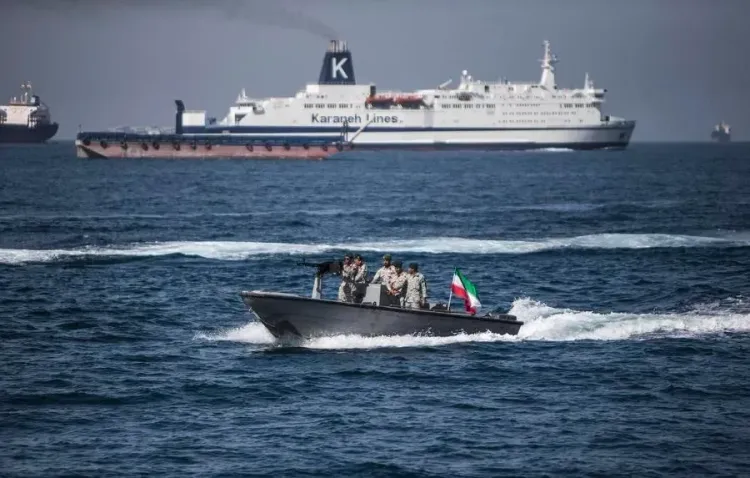
The United States and Iran have agreed to suspend their recent military exchanges around the Strait of Hormuz and resume negotiations to shore up a fragile ceasefire, even as the two sides remain sharply at odds over who holds authority over the critical waterway. The reported understanding, signalled on Sunday, 29 June, came after four days of retaliatory strikes that had stoked fears of a wider regional conflict.
The Reported Ceasefire Agreement
A US official, cited in multiple reports, said both countries had agreed to halt attacks in the Strait and allow commercial vessels to move freely. 'Both sides will stand down for now and vessels can move freely,' the official was quoted as saying. Technical discussions, according to reports, are set to continue on implementing the memorandum of understanding that underpins the ceasefire arrangement. Notably, Iran had yet to publicly confirm the reported understanding as of Sunday.
How the Escalation Unfolded
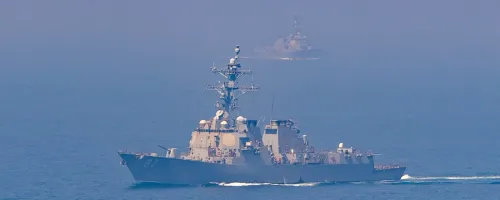
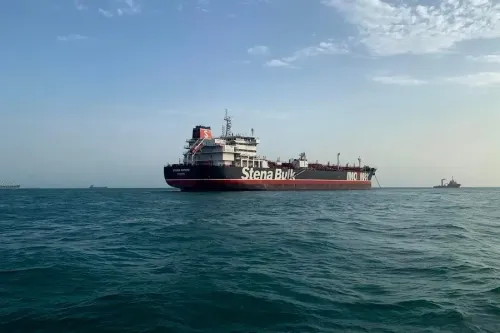
The recent flare-up was triggered by attacks on commercial vessels in the Strait of Hormuz. Washington blamed Tehran for the strikes and responded with hits on Iranian military infrastructure. Iran retaliated with missile and drone attacks targeting US military facilities in Bahrain and Kuwait, though US officials said the projectiles were intercepted or failed to reach their targets. This is among the most direct military confrontations between the two countries in years, raising the spectre of a broader Gulf crisis.
The Dispute Over Hormuz Authority
Iranian Foreign Minister Abbas Araghchi insisted on Sunday that Tehran alone holds responsibility for managing maritime traffic through the Strait under the memorandum signed with Washington earlier this month. 'Under the memorandum of understanding, no other entity or country has any responsibility in this regard,' Araghchi said at a news conference in Baghdad. He also warned that any attempt to create arrangements contrary to the agreement would 'complicate the situation, delay the return of normalcy' and postpone the reopening of the Strait.
Washington, however, maintains that freedom of navigation in the Strait is non-negotiable. US Ambassador to the United Nations Mike Waltz cautioned that Iran would face further consequences if attacks on commercial shipping resumed. 'If the Iranian regime thinks for a second that President Trump is going to sit by, stand by, while Iran continues to attack international shipping without a response, they're sadly mistaken,' Waltz said.
Trump's Warning to Tehran
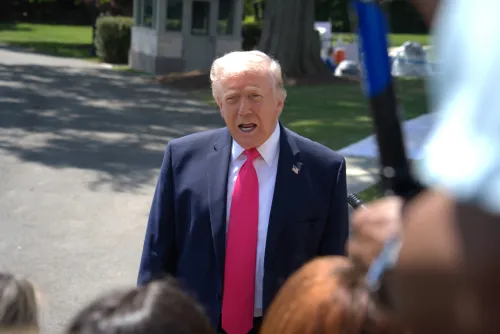
President Donald Trump renewed his warning to Iran after authorising additional US strikes over the weekend. 'There may come a point when we are no longer able to be reasonable, and will be forced to militarily complete the job that we very successfully started,' Trump wrote on Truth Social, adding: 'If that happens, the Islamic Republic of Iran will no longer exist!' The statement represents one of Trump's most explicit threats to Tehran since the current standoff began.
Economic Impact and What Comes Next
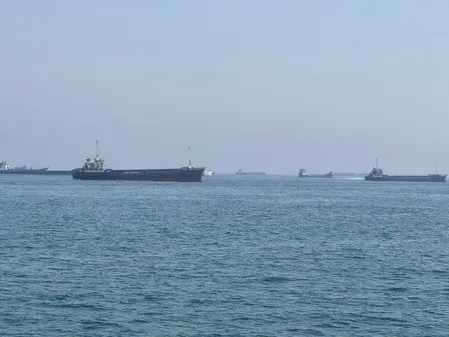
The Strait of Hormuz is a strategic chokepoint through which roughly one-fifth of the world's seaborne oil trade normally passes. The recent violence briefly disrupted commercial traffic, and oil prices edged higher as investors monitored the security situation. Commercial shipping reportedly resumed cautiously following the reported agreement. Both countries are now expected to resume broader negotiations aimed at ending hostilities and addressing Iran's nuclear programme, with early discussions likely to focus on restoring normal shipping through the Strait.
Point of View
Meaning the core dispute has not been resolved, only deferred. Trump's Truth Social warning — threatening to erase the Islamic Republic — is the kind of maximalist rhetoric that makes diplomatic off-ramps harder to construct, not easier. The fact that Iran has not publicly confirmed the reported understanding is a significant caveat that mainstream coverage has underplayed: a ceasefire that only one side has acknowledged is not a ceasefire, it is a unilateral pause.
NationPress
29 Jun 2026
Frequently Asked Questions
What is the Strait of Hormuz ceasefire between the US and Iran?
The US and Iran reportedly agreed on 29 June to halt military exchanges around the Strait of Hormuz and allow commercial shipping to resume. A US official confirmed both sides would 'stand down for now,' though Iran had not publicly confirmed the arrangement as of Sunday.
What triggered the recent US-Iran military exchanges?
The escalation began with attacks on commercial vessels in the Strait of Hormuz, which Washington attributed to Iran. The US responded with strikes on Iranian military infrastructure, and Iran retaliated with missile and drone attacks on US facilities in Bahrain and Kuwait, which US officials said were intercepted or failed to reach their targets.
Why is the Strait of Hormuz so strategically important?
The Strait of Hormuz is a narrow waterway through which roughly one-fifth of the world's seaborne oil trade passes. Any disruption to traffic there directly affects global energy markets, and the recent violence briefly pushed oil prices higher as investors monitored the situation.
What is Iran's position on control of the Strait of Hormuz?
Iranian Foreign Minister Abbas Araghchi stated on Sunday that Tehran alone holds responsibility for managing maritime traffic through the Strait under the memorandum of understanding signed with Washington. He warned that any outside intervention would 'complicate the situation' and delay the Strait's reopening.
What did President Trump say about Iran during the standoff?
President Donald Trump, writing on Truth Social after authorising additional US strikes over the weekend, warned that there may come a point when the US would be 'forced to militarily complete the job' and added that 'the Islamic Republic of Iran will no longer exist' if that happened. US Ambassador Mike Waltz separately warned Iran would face further consequences if attacks on commercial shipping continued.