Indian Sailor Fatally Injured in Iranian Attack on US-Owned Oil Tanker Off Iraq
Synopsis
A devastating attack near Basra, Iraq, resulted in the death of an Indian sailor on the US-owned tanker Safesea Vishnu, with 15 crew members evacuated safely. The incident has raised alarms about maritime security in the region.
Key Takeaways
One Indian sailor killed in the Iranian attack on the Safesea Vishnu.
All other crew members have been evacuated safely .
The attack indicates rising tensions in the Persian Gulf.
Iran has claimed responsibility for the incident.
The situation is being closely monitored by the Indian Embassy .
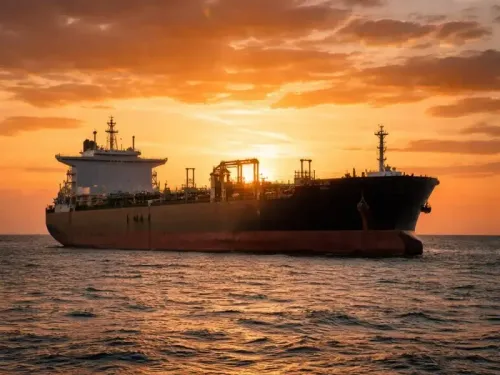
New Delhi/Baghdad, March 12 (NationPress) A tragic incident unfolded when an Indian crew member was killed following an attack on the US-owned oil tanker, Safesea Vishnu, by Iranian forces near Basra, Iraq, on Wednesday.
The Indian Embassy in Baghdad confirmed that the other 15 Indian sailors aboard were successfully evacuated and relocated to a safe area.
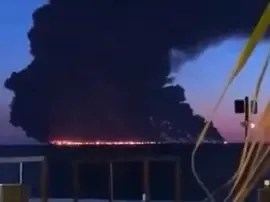
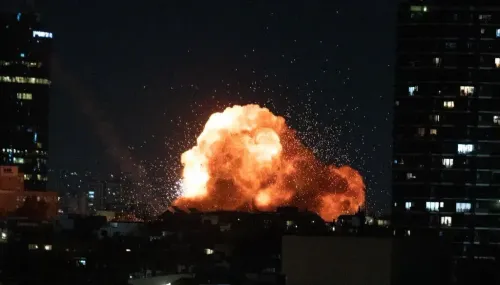
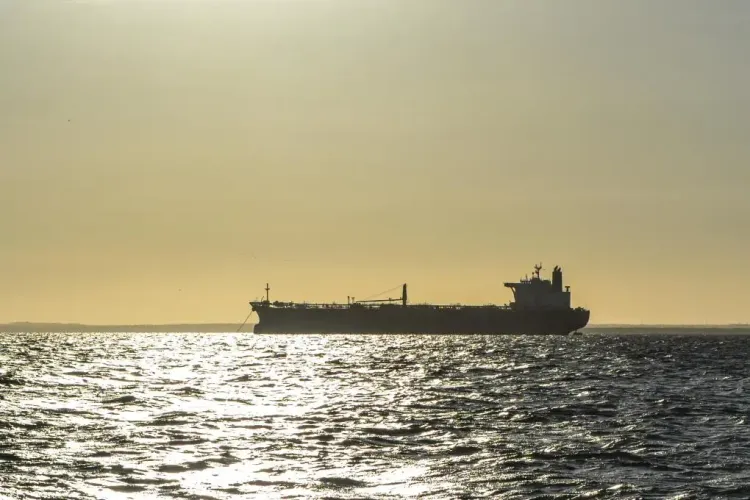
This incident occurred in the Persian Gulf, where another oil tanker was reported to have ignited after being struck within Iraq’s territorial waters. Iran has taken responsibility for the attack, asserting that an underwater drone strike targeted the vessels.
As reported by Iranian state broadcaster IRIB, the operation involved underwater drones which “blew up two oil tankers in the Persian Gulf”.
The vessels attacked were the Maltese-flagged tanker Zefyros and the Marshall Islands-flagged Safesea Vishnu. The Safesea Vishnu is owned by the US-based firm Safesea Transport Inc., while the owner of Zefyros is based in Greece.
In light of this incident, the Indian Embassy in Baghdad has maintained ongoing communication with both Iraqi authorities and the rescued Indian sailors.
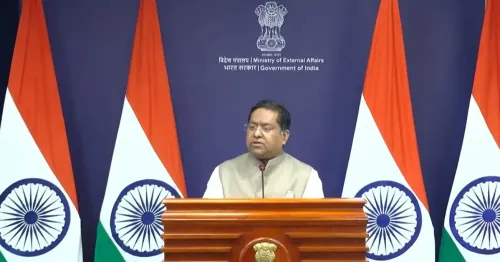
“On March 11, 2026, the US-owned crude oil tanker Safesea Vishnu, sailing under the Marshall Islands flag, was attacked near Basra, Iraq, resulting in the unfortunate loss of one Indian crew member. The remaining 15 Indian crew members have been evacuated safely,” the Indian Embassy stated in a post on X.
The embassy also confirmed its commitment to closely monitor the situation and work with authorities to ensure the safety of the rescued crew.
“The Embassy of India in Baghdad is consistently in touch with Iraqi officials and the rescued Indian sailors, providing all necessary assistance,” the statement added.
The mission expressed its condolences to the family of the deceased, stating, “The Embassy extends its deepest sympathies to the family of the lost crew member.”
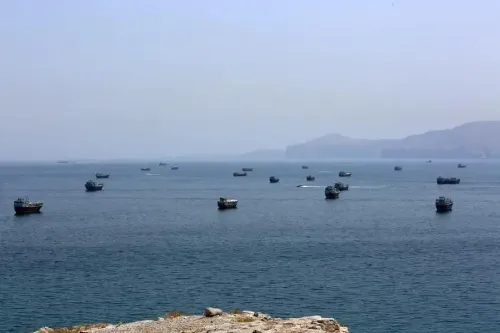
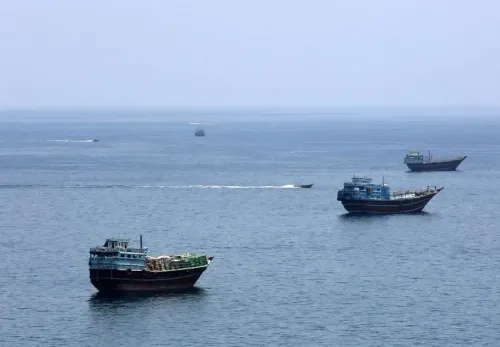
This incident occurs amidst rising tensions in the region and increasing threats to maritime traffic. Previously, Iran had warned of potential consequences for any ships attempting to navigate the Strait of Hormuz, a vital maritime corridor responsible for nearly 20% of the world's oil supply.
Despite these warnings, some shipping traffic continues through the route, although overall movement has significantly decreased due to security concerns.
On another note, the administration of US President Donald Trump indicated that American forces have taken measures to counter possible threats in the strait.
The ongoing US-Israeli military campaign against Iran has now reached its 12th day, with no resolution in sight. This escalation has greatly disrupted maritime trade in the region and has led to significant spikes in global oil prices as fears of supply interruptions mount.
Point of View
It’s crucial to highlight the severity of this incident involving the loss of life amidst ongoing geopolitical tensions. The safety of maritime routes is paramount, and this attack underscores the precarious nature of international shipping in volatile waters. The Indian Embassy's swift action to ensure the safety of the crew is commendable.
NationPress
7 Oct 2026
Frequently Asked Questions
What happened to the Safesea Vishnu?
The US-owned tanker Safesea Vishnu was attacked by Iranian forces near Basra, Iraq, resulting in the death of one Indian crew member.
How many crew members were on board?
There were 16 Indian crew members on board, of which 15 were safely evacuated.
What is the current situation regarding maritime security?
The incident highlights rising tensions in the Persian Gulf, with increased risks to maritime traffic and security.
What actions is the Indian Embassy taking?
The Indian Embassy in Baghdad is in continuous contact with Iraqi authorities and is closely monitoring the situation to ensure the safety of the evacuated crew.
What are the implications of this attack?
This attack raises serious concerns about maritime security in the region and the potential for further escalation of tensions.