Impact of Iran Conflict on China's Hog Industry and Feed Costs
Synopsis
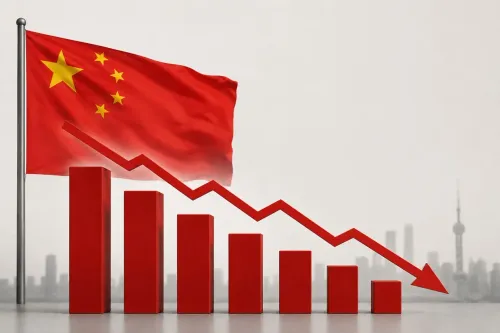
New Delhi reports that the Iran conflict is causing a significant rise in animal feed prices, placing immense pressure on China's hog producers. With pork prices at a 16-year low, the situation is dire for farmers dependent on soymeal and corn.
Key Takeaways
Iran conflict is driving up animal feed prices in China.
Hog producers face significant challenges due to low pork prices .
Small-scale farmers are particularly vulnerable to economic fluctuations.
Authorities are taking measures to stabilize the hog market.
Overcapacity in hog production remains a critical issue.
New Delhi, March 28 (NationPress) The ongoing conflict in Iran is contributing to a surge in grain and input costs, which is subsequently driving up animal feed prices in China. This situation is placing considerable strain on hog producers who are already grappling with declining demand and pork prices that have hit their lowest levels in 16 years, according to a recent report.
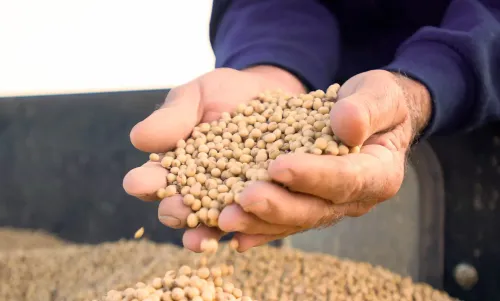
In March, the average price of soymeal increased by 7%, exceeding 200 yuan per tonne, while corn prices rose by 4%, or roughly 100 yuan per tonne, as reported.
As the largest market for pigs globally, China heavily relies on two main feed ingredients: soymeal and corn.
Since the conflict escalated on February 28, futures for both soymeal and corn on the Dalian exchange have reached multi-month peaks, attributed to escalating oil prices, higher freight costs, and increased fertilizer expenses, analysts cited by Reuters indicated.
Moreover, other essential feed components, including lysine, methionine, fishmeal, and vitamins A and E, have seen price hikes ranging from 6% to 77% this month.
Chinese hog farmers, who represent half of the global pig population, are facing a decline in pork prices due to overproduction and dwindling demand.
Current cash prices have plummeted to 9.69 yuan per kg, marking the lowest point in 16 years, as reported by JCI.
The cost of raising a hog weighing approximately 60-62.5 kg is around 12.2-12.5 yuan per kg, resulting in losses ranging from 280 to 350 yuan for farmers per pig sold, according to an analyst.
Small-scale farmers, who make up less than 30% of China's pig market, are increasingly at risk of going out of business due to their vulnerability to price fluctuations.
The report detailed the struggles of a 600-head pig farmer located in Hebei province, who has been operating at a loss for the past year, prior to the recent sharp increase in feed costs.
Since 2025, Chinese authorities have intensified measures to address overcapacity, encouraging breeders to reduce sow numbers and manage slaughter rates. Additionally, they have recently begun purchasing frozen pork for state reserves to stabilize market prices.
aar/na
Point of View
It's crucial to highlight that this situation reflects the interconnectedness of global conflicts and their local economic repercussions. The rise in feed costs due to the Iran war exemplifies how geopolitical events can severely affect agricultural sectors, particularly in a country as pivotal as China.
NationPress
17 Sept 2026
Frequently Asked Questions
How is the Iran war affecting China's hog market?
The Iran war has led to higher grain and input costs, increasing animal feed prices in China and pressuring hog producers facing weak demand and low pork prices.
What are the main feed ingredients impacting hog farming in China?
The primary feed ingredients for hog farming in China are soymeal and corn, which have both seen price increases due to the conflict.
What is the current situation for small hog farmers in China?
Small hog farmers, making up less than 30% of the market, are at significant risk of going out of business due to price volatility and rising costs.
What measures are Chinese authorities taking to manage the hog market?
Chinese authorities are urging breeders to reduce sow numbers and are purchasing frozen pork for state reserves to stabilize prices amid the crisis.
What are the economic implications of rising feed costs?
Rising feed costs lead to financial losses for hog farmers, potentially threatening their livelihood and impacting the overall pork supply in China.