Iran offers 7-day Hormuz deal to US amid UN General Assembly
Synopsis
Iran has handed the Trump administration a seven-day window to reopen the Strait of Hormuz — through which a quarter of global oil flows — and restart peace talks, disclosed publicly by Foreign Minister Araghchi at the UN General Assembly. With Trump simultaneously threatening 'annihilation' and Iran's president vowing never to negotiate under military duress, the gap between the proposal's optimism and the diplomatic reality could not be starker.
Key Takeaways
Iranian Foreign Minister Abbas Araghchi disclosed a seven-day proposal to reopen the Strait of Hormuz and resume negotiations on 25 September 2026 at the UN General Assembly .
The offer was delivered to US officials through intermediaries and mirrors terms of a June memorandum of understanding .
Between one-fifth and one-quarter of global oil supplies ordinarily pass through the Strait of Hormuz ; Iran mined it after US-Israeli strikes in late February .
President Donald Trump warned Iran of 'annihilation' if no deal is reached; Iranian delegates walked out of his UN address.
Iranian President Masoud Pezeshkian said Iran was open to dialogue but would not negotiate under the 'language of force' .
Whether nuclear questions will be covered in the proposed seven-day process was not disclosed by Araghchi .
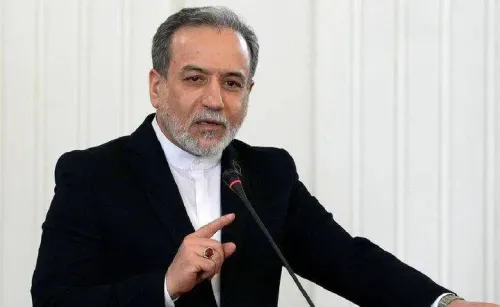
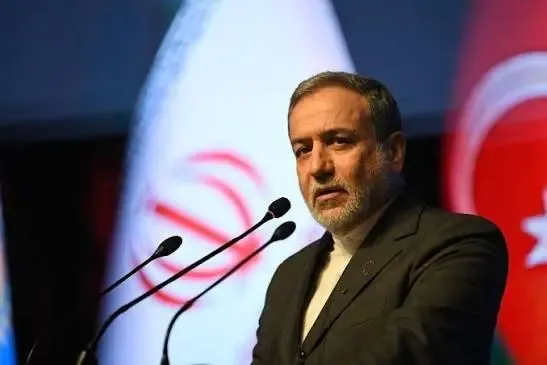
Iranian Foreign Minister Abbas Araghchi has put forward a proposal to the Trump administration to reopen the Strait of Hormuz and resume broader peace negotiations within seven days, according to The Washington Post. Araghchi disclosed the initiative on the sidelines of the United Nations General Assembly in New York on 25 September 2026, marking what could be the most concrete diplomatic opening since months of conflict pushed one of the world's most critical energy corridors to near-closure.
The Proposal and Its Terms
Araghchi said the offer was conveyed to US officials through intermediaries during indirect talks held this week. He described the conditions as consistent with a memorandum of understanding reached between the two countries in June. 'The conditions we asked are nothing new,' Araghchi told reporters. The proposal combines two immediate priorities: restoring commercial shipping through the Strait of Hormuz and reopening negotiations toward a wider settlement. It remained unclear, however, whether the seven-day process would address nuclear questions — the central sticking point in any comprehensive agreement. The White House did not immediately respond to requests for comment.
Why the Strait of Hormuz Matters
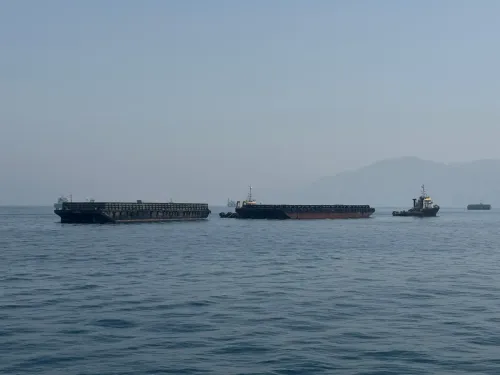
Between one-fifth and one-quarter of global oil supplies ordinarily transit the Strait of Hormuz. Iran mined the waterway and warned ships against passage without coordinating with Tehran after Israel and the United States struck Iran in late February. Shipping traffic subsequently slowed to a trickle, contributing to higher energy prices worldwide. The near-closure has reverberated through global commodity markets, making any pathway to reopening the channel a matter of international economic consequence.
Trump's Warning and Iran's Response
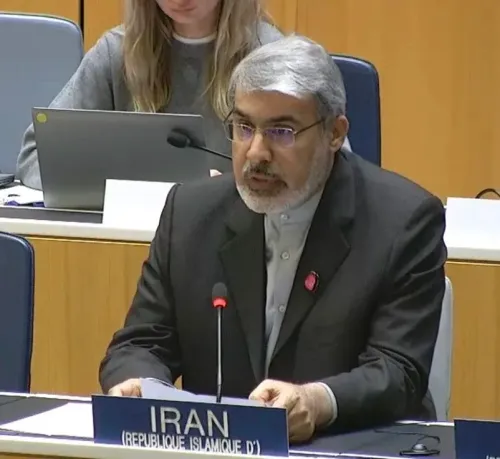
President Donald Trump acknowledged the diplomatic contact during his address to the UN General Assembly on Tuesday, but framed it in stark terms — warning that Iran could either reach a deal or face 'annihilation'. Members of the Iranian delegation walked out during his speech. Iranian President Masoud Pezeshkian responded in his own General Assembly address on Wednesday, arguing that Iran needed sufficient strength to deter external threats. 'Iran must be powerful so as to avoid being threatened, to avoid its future being threatened,' Pezeshkian said. He added: 'We are ready for dialogue and diplomacy and negotiations without accepting the language of force.'
The Nuclear Impasse
Trump has stated that the United States entered the conflict alongside Israel to prevent Iran from developing nuclear weapons. Pezeshkian, however, maintained that Iran would not pursue nuclear arms, asserting the country's right to develop 'peaceful nuclear technologies'. Washington has demanded binding safeguards to ensure Tehran cannot weaponise its nuclear programme, while Iranian officials insist they must be permitted to maintain a civilian nuclear capability. This divergence remains one of the deepest obstacles to any lasting settlement. Tehran's interpretation of the June memorandum of understanding — which it reads as recognising Iranian control over the Strait — has also been rejected by the United States and its regional partners, complicating the diplomatic ground further.
What Comes Next
The seven-day window, if accepted, would represent the most accelerated diplomatic timeline since hostilities began. Whether Washington will formally engage the proposal remains uncertain. Araghchi's decision to disclose the offer publicly — rather than through back-channel silence — signals that Tehran is seeking to build international pressure for a negotiated exit. All eyes will now turn to any formal US response, as well as the reactions of regional stakeholders and key energy-importing nations for whom the Strait's closure carries direct economic costs.
Point of View
While Washington flatly rejects that interpretation. Any deal that skirts this contradiction will be fragile. And with nuclear questions reportedly left off the seven-day agenda, a short-term Hormuz reopening, even if achieved, would leave the core dispute unresolved and the next escalation cycle primed.
NationPress
25 Sept 2026
Frequently Asked Questions
What is Iran's seven-day proposal to the United States?
Iran has proposed reopening the Strait of Hormuz to shipping and resuming broader peace negotiations within seven days, according to Iranian Foreign Minister Abbas Araghchi. The offer was delivered through intermediaries during indirect US-Iran talks this week and disclosed at the UN General Assembly on 25 September 2026.
Why is the Strait of Hormuz so important?
Between one-fifth and one-quarter of global oil supplies ordinarily transit the Strait of Hormuz, making it one of the world's most critical energy chokepoints. Iran mined the waterway after US and Israeli strikes in late February, slowing shipping to a trickle and pushing global energy prices higher.
How did President Trump respond to Iran's diplomatic overture?
President Donald Trump acknowledged the diplomatic contact at the UN General Assembly but warned that Iran must accept a deal or face 'annihilation.' Members of the Iranian delegation walked out during his speech, underscoring the wide gap between the two sides.
What did Iranian President Pezeshkian say at the UN?
President Masoud Pezeshkian said Iran was 'ready for dialogue and diplomacy and negotiations' but would not accept the 'language of force.' He also maintained that Iran would not develop nuclear weapons while asserting the country's right to peaceful nuclear technology.
Will nuclear issues be covered under the seven-day proposal?
It remained unclear whether the proposed seven-day process would address nuclear questions. Araghchi did not disclose this detail, even though the dispute over Iran's nuclear programme remains one of the central obstacles to any comprehensive agreement between Tehran and Washington.