Iran warns countries joining US economic war will be treated as 'enemy'
Synopsis
Iran's Supreme National Security Council secretary Mohsen Rezaei has threatened to shut the Strait of Hormuz — through which roughly 20% of global oil flows — if neighbouring countries join the US economic campaign against Tehran. With the June Iran-US MoU's 60-day negotiation window now expired and talks in limbo, the standoff is escalating fast, with direct consequences for global energy markets.
Key Takeaways
Mohsen Rezaei , secretary of Iran's Supreme National Security Council , warned on 23 August that countries joining the US economic war will be treated as 'enemies.' Iran threatened to block all oil exports through the Strait of Hormuz if neighbouring countries side with the United States .
Foreign Minister Seyed Abbas Araghchi posted on X that the US economic operation is 'bound to fail,' citing the collapse of past pressure campaigns.
US President Donald Trump announced what he called 'the most crushing economic operation ever' against Iran's supporters, terming it an 'economic D-Day.' The Iran-US MoU signed on 18 June required negotiations within 60 days ; that deadline has passed with no final agreement in place.
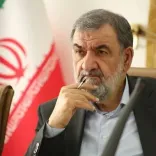
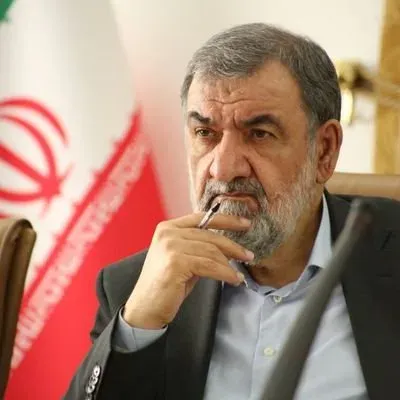
Iran's top security official Mohsen Rezaei on Saturday, 23 August issued a stark warning that any country participating in the United States' economic war against Iran will be regarded as an 'enemy' by Tehran. Rezaei, who serves as secretary of Iran's Supreme National Security Council, made the remarks in an interview with state-run IRIB TV.
Key Developments
Rezaei said Tehran would first seek diplomatic engagement with any country considering alignment with Washington's economic campaign, urging them to stay out of the conflict. However, he warned that refusal would prompt Iran to 'strike their interests.' In the most pointed threat, he stated that if neighbouring countries join what he called the US siege, Iran 'will not let even a single drop of oil be exported from the Strait of Hormuz.'
He also reiterated that the Hormuz Strait will remain closed unless Washington fulfils its commitments under the Iran-US peace memorandum of understanding signed in June, adding that the United States must act first this time. Rezaei noted that Iran has, over the years, developed methods to bypass US sanctions and sustain oil sales.
Iran's Foreign Minister Weighs In
Iranian Foreign Minister Seyed Abbas Araghchi said the US anti-Iran economic operation is 'doomed to fail.' In a post on social media platform X, Araghchi drew a pointed timeline of past US pressure campaigns: '14 years ago: 'Most crippling sanctions in history.' Failed. 8 years ago: 'Maximum pressure.' Failed. 5 months ago: 'Unconditional surrender.' Failed. Today: 'Most crushing economic operation ever.' Bound to fail.'
What Trump Announced
The warnings came in direct response to US President Donald Trump's announcement on Wednesday of what he described as 'the most crushing economic operation ever taken' against any country providing a lifeline to Iran. Trump characterised the move as 'economic warfare and isolation on an unprecedented scale' and labelled it an 'economic D-Day' in a post on Truth Social.
Background: The June MoU and Stalled Talks
On 18 June, the United States and Iran signed a memorandum of understanding (MoU) aimed at ending regional hostilities, including in Lebanon. Under the agreement, both sides were to conduct negotiations within 60 days — a window that closed on Monday — to reach a final accord. The fate of those talks remains unclear following a sharp escalation between the two countries last month, making the current economic confrontation a direct outgrowth of that diplomatic breakdown.
The Hormuz Strait threat is particularly significant: the waterway handles an estimated 20% of global oil trade, and any disruption would have immediate consequences for energy markets worldwide, including for Asia's largest importers — among them India, China, and Japan.
Point of View
Which puts India and other major Gulf-dependent importers in an uncomfortable position. The real story here is not the rhetoric but the narrowing space for off-ramps: with the MoU in limbo and Trump escalating economically, the next move that matters is whether any third party — the EU, China, or India — attempts mediation, or whether the standoff hardens into a prolonged energy-market risk.
NationPress
23 Aug 2026
Frequently Asked Questions
What did Iran's Mohsen Rezaei warn on 23 August?
Rezaei, secretary of Iran's Supreme National Security Council, warned that any country joining the US economic war against Iran will be considered an 'enemy' by Tehran. He threatened to strike such countries' interests and, if neighbouring states join the US campaign, to block all oil exports through the Strait of Hormuz.
What is the Strait of Hormuz and why does it matter?
The Strait of Hormuz is a narrow waterway between Iran and Oman through which roughly 20% of the world's oil trade passes. A blockade would immediately disrupt energy supplies to major importers including India, China, and Japan, with significant consequences for global oil prices.
What did US President Trump announce that triggered Iran's response?
Trump announced on Wednesday what he described as 'the most crushing economic operation ever taken' against any country providing support to Iran, calling it 'economic warfare and isolation on an unprecedented scale' and an 'economic D-Day' on Truth Social.
What is the Iran-US MoU signed in June, and what happened to it?
The United States and Iran signed a memorandum of understanding on 18 June to end regional hostilities, including in Lebanon. It required both sides to negotiate a final agreement within 60 days, a deadline that has now passed without a deal, leaving the talks' future uncertain amid fresh escalation.
How has Iran's Foreign Minister responded to US pressure?
Foreign Minister Seyed Abbas Araghchi posted on X that the US economic campaign is 'bound to fail,' citing a pattern of collapsed US pressure efforts — from sanctions described as the 'most crippling in history' to 'maximum pressure' and demands for 'unconditional surrender' — none of which achieved their stated goals.